Published August 11, 2026 · Updated September 22, 2026 · 13 min read
The short answer
There is no single best home battery for California in 2026 — there are three, each winning a different home. The Tesla Powerwall 3 ($9,995–$15,995 ($9,995 basic installation with Participate Energy) installed) is best for new solar-plus-battery projects thanks to its integrated inverter and 11.5 kW output; the Enphase IQ Battery 10C ($13,000-$17,000) is best for homes with existing microinverter solar and carries the longest warranty; the FranklinWH aPower 2 ($15,000-$19,000) stores the most per unit and scales furthest for whole-home backup. Under NEM 3.0, pick the battery whose capacity covers your 4-9 PM usage — that, not a rebate, is where the savings live, since the federal residential tax credit expired for 2026 purchases and SGIP's general budgets are largely closed.
By Vinnie Curcie, Founder & CEO, OC Solar · Reviewed by Ashton Curcie, Chief Operating Officer
What is the best home battery backup in California?
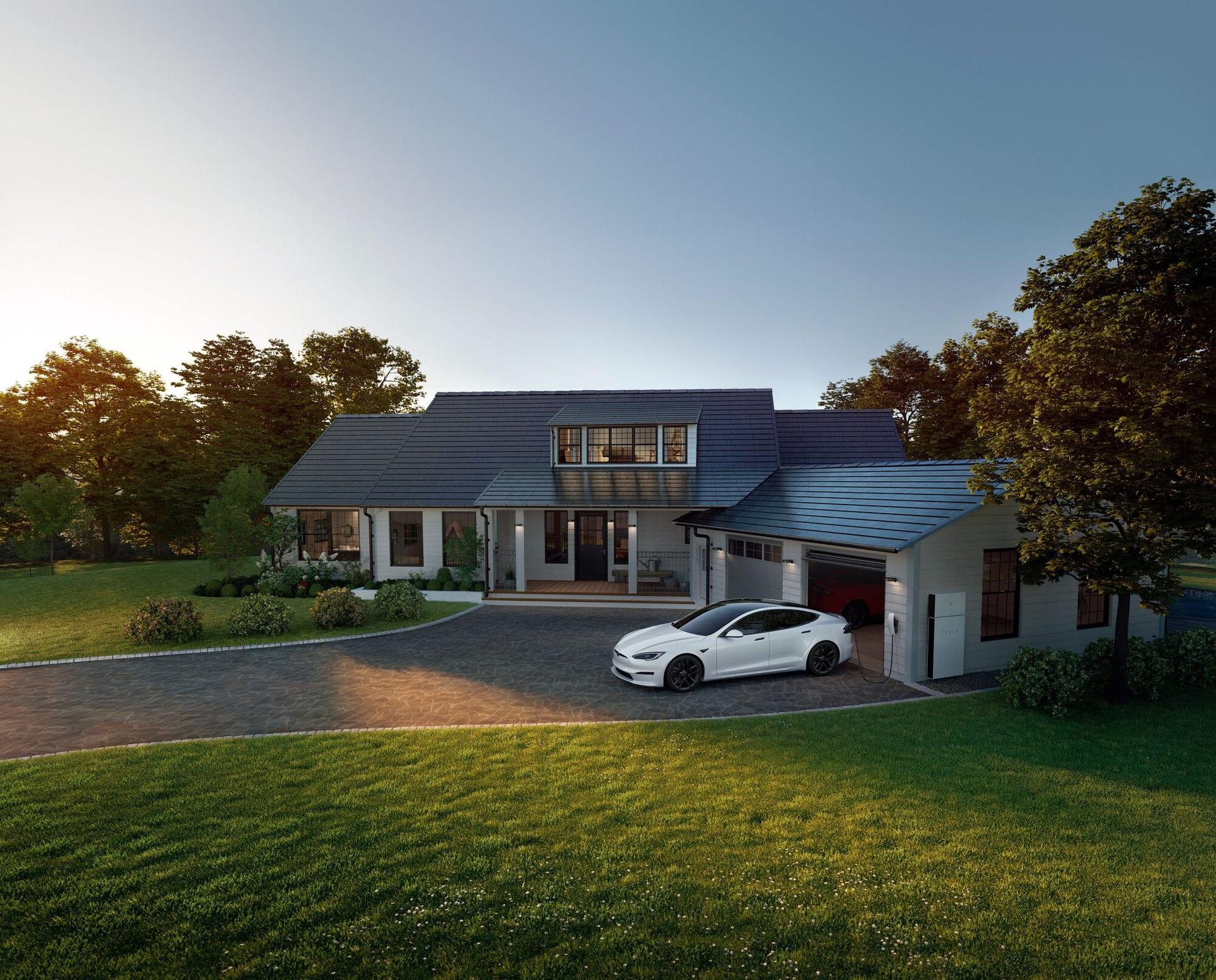
For most California homes adding solar and storage together in 2026, the best home battery backup is the Tesla Powerwall 3 — $9,995–$15,995 ($9,995 basic installation with Participate Energy) installed for 13.5 kWh of usable storage, 11.5 kW of continuous power, and an integrated solar inverter that removes an entire line item from the project. If solar is already on your roof, the answer changes: the Enphase IQ Battery 10C ($13,000-$17,000 installed) is the best fit for homes running Enphase microinverters, and the FranklinWH aPower 2 ($15,000-$19,000 installed) puts the most storage and whole-home control behind any existing inverter, string or micro. Three batteries, three different homes — the table below matches them.
This guide is the 'which one' ranking: honest verdicts on the three platforms and how each performs against California's specific economics — NEM 3.0, 4-9 PM time-of-use peaks, SGIP's real 2026 status, and outage season. New to battery backup? Start with our complete home battery backup guide for how backup works, what it costs, and whether it pencils. And when you want every datasheet number side by side, our full spec comparison carries the complete table — this page's job is simpler: tell you which one wins your house.
Pricing note, September 2026: $9,995 is for a basic installation with Participate Energy. Final pricing depends on the custom configuration and selected plan. Compare the ownership/payment terms and installation scope, not just the starting price. See our Powerwall cost guide for the configuration details.
| Your situation | Best battery | Installed price (before incentives) | Why it wins |
|---|---|---|---|
| New solar-plus-battery project | Tesla Powerwall 3 | $9,995–$15,995 ($9,995 basic installation with Participate Energy) | Integrated solar inverter and 11.5 kW continuous power — one piece of hardware runs panels, storage, and backup |
| Existing Enphase or microinverter solar | Enphase IQ Battery 10C | $13,000-$17,000 | AC-coupled drop-in, 15-year warranty, lowest entry price of the three |
| Maximum backup capacity behind any inverter | FranklinWH aPower 2 | $15,000-$19,000 | 15 kWh per unit, whole-home aGate control, expands to 225 kWh |
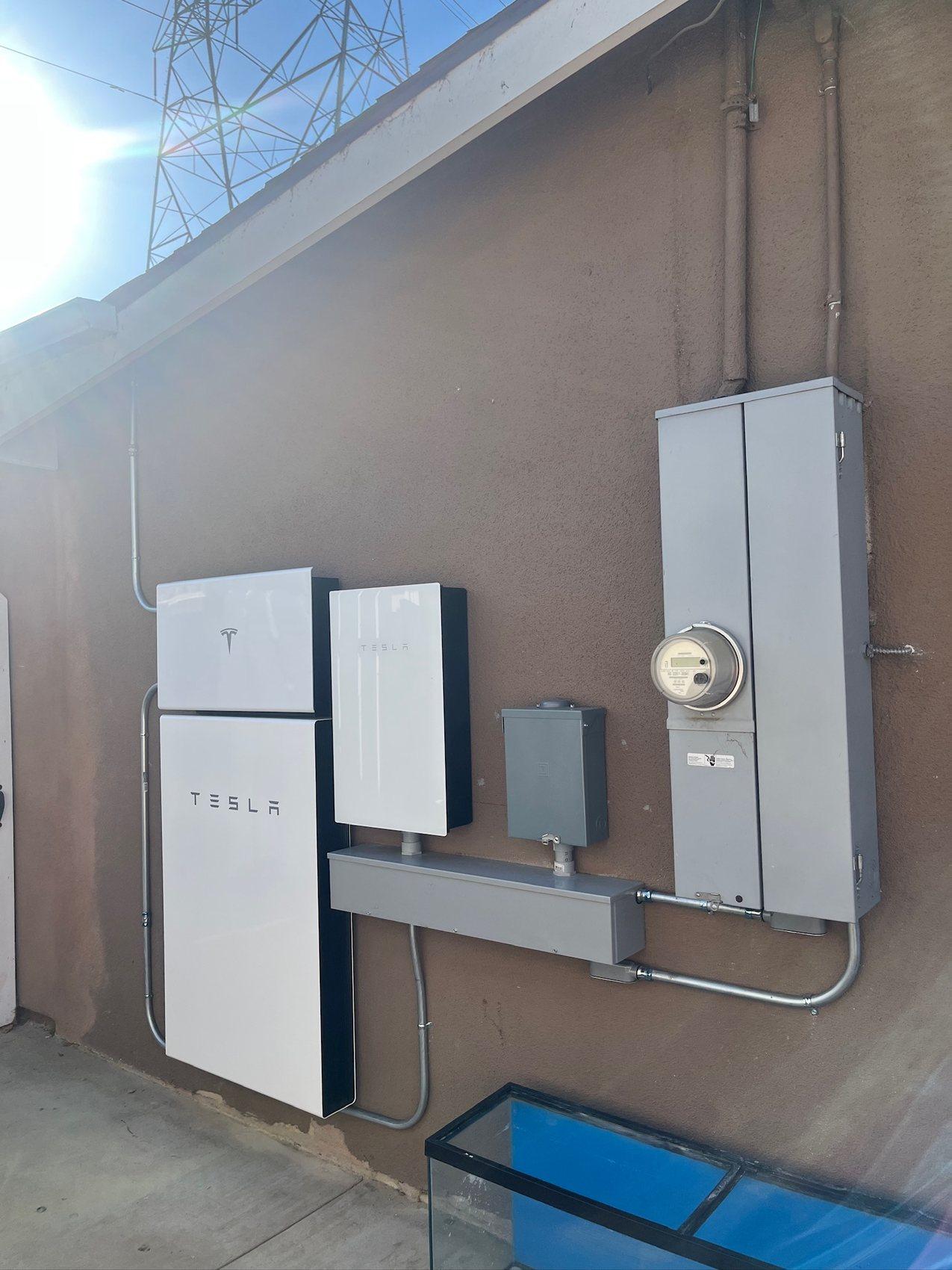
Installed ranges are OC Solar's published 2026 figures and include the required backup hardware (Tesla Backup Switch or Gateway 3; Enphase IQ Meter Collar and Combiner 6C; FranklinWH aGate controller). Specs per each manufacturer's published 2026 documentation.
How an installer ranks home batteries
Most 'best home battery' roundups are written by affiliate sites that have never mounted one on a wall. Our ranking comes from the other direction: OC Solar has installed solar, battery, and electrical work across Southern California since 2016 — more than 30 megawatts and 6,373 projects & service calls — with completed projects in 232 California cities (OC Solar project data, as-of 2026-08-11) and a 4.8-star Google rating (CSLB #1023627). We are a Tesla Powerwall Premier Certified installer and one of just 12 companies on Tesla's Powerwall Pro Council, and ConsumerAffairs named OC Solar the #1 solar company in California for 2026. One disclosure up front: 95.4% of our completed battery installs are Tesla Powerwall, with Enphase among the remainder (OC Solar project data, as-of 2026-08-11), and we have not installed a FranklinWH system to date — the aPower 2's ranking here is market analysis built on FranklinWH's published specifications and California installed pricing, and we would rather say so than pretend otherwise.
Five criteria decide this ranking, in order: how the battery fits your existing or planned inverter architecture, which is the single biggest cost driver; continuous power and motor-start capability, which decide what it can actually run in an outage; usable energy per installed dollar; warranty structure — years, cycles, and throughput are not the same thing; and how each platform performs under California's rate design, where nearly all the savings now come from covering your own 4-9 PM usage. What is deliberately missing: commissions, sponsorships, and single-brand quotas. When one platform is wrong for a home, recommending it anyway becomes our service call later.
Tesla Powerwall 3: best for new solar-plus-battery
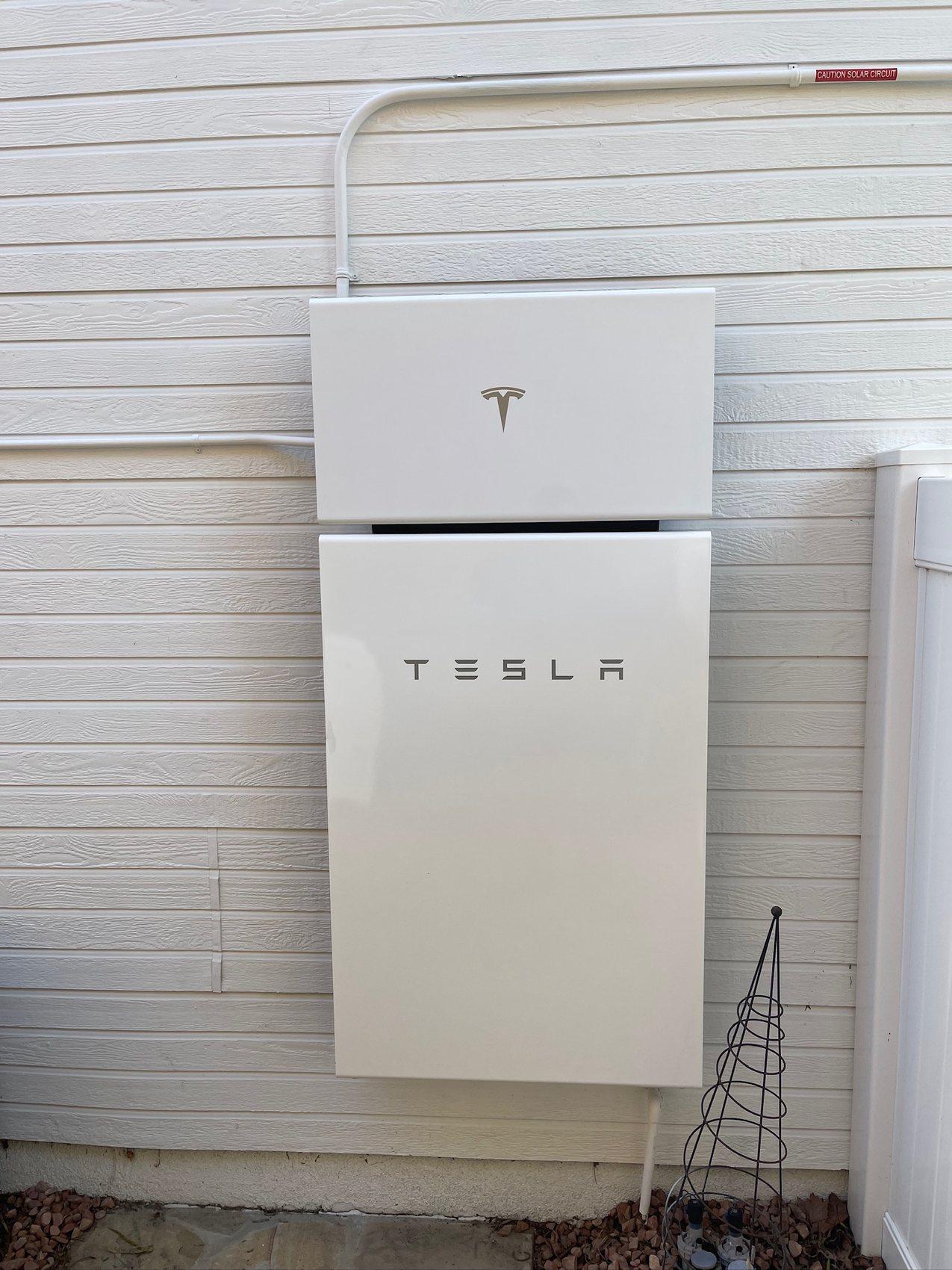
The Powerwall 3 wins new solar projects because of where its inverter lives: inside the battery. A new system needs no separate string inverter or microinverters at all — one piece of hardware runs the panels, the storage, and the backup — which is why its $9,995–$15,995 ($9,995 basic installation with Participate Energy) installed range, including the Backup Switch or Gateway 3, frequently beats pairing a separate inverter with an AC-coupled battery on total project cost. Its solar input ceiling of up to 20 kW is well over double the 8.1 kW median system we are installing in 2026 (OC Solar project data, as-of 2026-08-11), so it almost never constrains the design.
The verdict card: 13.5 kWh usable, 11.5 kW continuous — the most powerful output of the three — a 10-year warranty, and expansion to four units (54 kWh). The honest trade-offs: the warranty is the shortest of the group and the expansion ceiling the lowest. For most Southern California homes pairing a new array with one or two batteries, neither ceiling matters. Full pricing detail is in our Tesla Powerwall cost guide.
Pricing note, September 2026: $9,995 is for a basic installation with Participate Energy. Final pricing depends on the custom configuration and selected plan. Compare the ownership/payment terms and installation scope, not just the starting price. See our Powerwall cost guide for the configuration details.
Enphase IQ Battery 10C: best for existing Enphase solar
If your roof already runs on Enphase microinverters, the IQ Battery 10C is the natural add. It is AC-coupled with embedded IQ8B microinverters, so it drops into an existing Enphase system without touching the panels and keeps everything in one app. The verdict card: 10 kWh usable, 7.08 kW continuous, the strongest warranty of the group at 15 years or 6,000 cycles to 60% capacity, and the lowest entry price of the three at $13,000-$17,000 installed including the IQ Meter Collar and Combiner 6C.
The trade-off to weigh is power. A single 10C comfortably runs refrigeration, lights, internet, and most homes' evening loads, but starting heavy central air on battery power may take a second unit or deliberate load management. Its 10 kWh per unit is the smallest of the three, though it stacks in clean 10 kWh blocks as needs grow. For microinverter homes that prioritize warranty length and ecosystem simplicity over raw output, it is the right call.
FranklinWH aPower 2: best for whole-home capacity
The aPower 2 is the capacity-per-unit leader: 15 kWh usable — 50% more than the Enphase and 11% more than the Powerwall 3 — with 10 kW of continuous power. Because it is AC-coupled and inverter-agnostic, it bolts onto any existing solar system — string inverter, microinverters, or hybrid — which makes it the strongest retrofit play on paper for homes whose solar predates the battery era. Its aGate controller manages whole-home transfer, smart-circuit load management, and generator integration from one box, and supports up to 15 batteries per aGate — a 225 kWh ceiling neither of the other platforms approaches.
The verdict card rounds out with a warranty of 15 years or 60 MWh of energy throughput and a $15,000-$19,000 installed range including the aGate. To be transparent about the basis for this pick: OC Solar has not installed the aPower 2, so this assessment is market analysis from FranklinWH's published specifications and California installed pricing rather than our own field history. If your goal is whole-home backup with room to grow — an EV now, a heat pump later — it is the platform built for that job on the published numbers, and the head-to-head detail lives in the full spec comparison linked above.
Which battery is best under NEM 3.0?
California changed what 'best' means: under NEM 3.0, exported solar earns roughly 75% less on average than under the old rules, so the savings now come from storing midday solar and using it through the 4-9 PM peak (5-8 PM on some plan variants) instead of buying the priciest power your utility sells — the full mechanics live in our NEM 3.0 explainer. Our customers have already voted on that math: 93.6% of our 2025 solar installs included battery storage — roughly 9 in 10 since NEM 3.0 took effect (OC Solar project data, as-of 2026-08-11).
That reframes the ranking: the best NEM 3.0 battery is the one whose usable capacity actually covers your household's evening consumption, not the one with the flashiest spec sheet. A home that burns 12 kWh between 4 and 9 PM wants the aPower 2's 15 kWh, or a second unit of anything smaller; a lighter evening load is fully served by a single IQ 10C at the lowest entry price. Any projected savings depend on your rate plan, usage pattern, and system design, which is why we model them against your actual bills rather than advertise a number. One Los Angeles caveat: LADWP is a municipal utility outside NEM 3.0 and sets its own buyback rules, so in LADWP territory model the economics on LADWP's current tariff — the pick-by-evening-usage rule still applies. Either way, the expensive mistake is the same: paying 40-55 cents per kWh for evening grid power a right-sized battery would have covered.
Backup power: the California tiebreaker
Spec-sheet ties break on reliability. Fire-season Public Safety Power Shutoffs and what outages actually cost a household are covered in depth in the complete battery backup guide; what matters for this ranking is that all three batteries island the home automatically when the grid drops and recharge from solar each morning, while panels alone shut down in an outage for safety.
If backup is your primary motive, weight two specs above all. Motor start decides whether the air conditioner or well pump actually starts on battery power — the Powerwall 3 and aPower 2 both publish 185 LRA-class motor-start capability, while a single IQ 10C is built for essentials-scale backup unless stacked. Usable kWh decides how long everything runs, where the aPower 2's 15 kWh per unit leads. For a backup-first home choosing between those two, the decision usually collapses to whether you are adding new solar (Powerwall 3) or building behind an existing inverter (aPower 2). How we scope backup — whole-home or essentials-only circuits — is on our battery storage page.
One battery or two?
In practice, most homes need exactly one: 84.8% of our completed battery projects use a single unit, 13.6% use two, and only 1.6% go larger (OC Solar project data, as-of 2026-08-11). A single 13.5-15 kWh battery covers evening-peak usage plus essentials backup for most small-to-medium Southern California homes; the two-unit homes are the ones with an EV, a pool pump, heavy air conditioning, or whole-home ambitions.
This is where the expansion ceilings earn their keep: the Powerwall 3 parallels to four units, the Enphase stacks 10 kWh blocks, and the FranklinWH scales furthest at up to 15 units per aGate. Buying the platform whose ceiling matches your five-year plans is cheaper than switching ecosystems later. For the full capacity worksheet — square footage, AC, EV, heat pump — use our home battery sizing guide, then pressure-test your own scenario in about a minute with the battery runtime calculator: pick a battery, toggle the appliances you would keep running, and compare an essentials profile against whole-home backup.
Incentives in 2026: what is actually left
Be careful with battery marketing this year. The 30% federal residential tax credit (IRC Section 25D) expired December 31, 2025 — a homeowner buying any of these three batteries with cash or a loan in 2026 gets no federal residential tax credit, and a quote that still includes one is a red flag about the company behind it. On a lease, PPA, or prepaid plan the structure differs: the financier owns the system, claims the separate commercial Section 48E credit, and passes value through as lower pricing — a price benefit built into your payment, not a credit you claim on your taxes.
California's SGIP battery rebate needs the same honesty. The general budgets that funded most residential rebates largely closed at the end of 2025; what remains are limited income-qualified pathways tied to criteria like income thresholds, high-fire-threat areas, and critical medical electricity needs. If your household does qualify, all three platforms here are SGIP-eligible equipment — and current rules require enrolling the battery in a virtual power plant program within a year of a rebate reservation, a commitment worth understanding before you count the money. We check eligibility against current rules rather than build quotes on rebates you may not get; the details live in our SGIP battery rebate guide.
Home battery brands to avoid in 2026
The home battery graveyard is real, and it is part of why this ranking stops at three platforms. SunPower — once the biggest name in residential solar — filed for bankruptcy in 2024, leaving SunVault storage owners chasing warranty support through successor companies; LG's earlier RESU home battery line went through a fire-risk safety recall; and a string of smaller storage startups have exited the market entirely, taking their monitoring servers and warranty desks with them. A 10-to-15-year warranty is only as good as the company standing behind it in year twelve, so treat manufacturer scale and staying power as a spec — one worth more than an extra half kilowatt-hour of capacity. If a quote features a brand you have never heard of at a price that seems too good, the discount is usually the warranty.
The other offer to scrutinize is the subscription battery. Sunrun's Shift offering and monthly-fee programs like it put storage behind your meter without you owning the hardware — the long-term economics follow the contract terms rather than the rate math, and the savings split between the household and the company that owns the system. Owning one of the three platforms above, cash or financed, keeps the full 4-9 PM value and the backup asset with the house. If you are comparing a subscription against owning, run both against the same bills and ask three questions: who owns the battery, what a buyout costs, and what happens at the end of the term. That is market analysis, not a knock on any one company — but every ranking on this page assumes you own what is on your wall.
Our verdict — and how to get a real number
Match the battery to the home. New solar-plus-battery project: choose the Tesla Powerwall 3. Existing Enphase or microinverter solar: choose the IQ Battery 10C. Maximum capacity and whole-home control behind any inverter: the FranklinWH aPower 2 leads on the published numbers. If two of those describe your house, itemized quotes on identical scope — battery, backup hardware, electrical work, permits — settle it better than any ranking can.
That is how we sell the platforms we install. An OC Solar battery proposal is built from your usage data and rate plan: we model what you actually consume from 4 to 9 PM alongside your backup priorities, then price the right platform with battery count, backup scope, electrical work, and permits itemized next to the honest incentive picture. The paperwork tail is short, too — once a finished system's permission-to-operate application goes to SCE, approval comes back in a median of 9 days (OC Solar project data, as-of 2026-08-11). If you are weighing a monthly payment against the bill it replaces, our financing comparison puts cash, loan, and $0-down structures next to each other. Request a free estimate and we will tell you which of the three wins your home, with the assumptions shown next to the price.
FAQ
No single battery wins every home — the right choice depends on the house. The Tesla Powerwall 3 (13.5 kWh, 11.5 kW continuous, $9,995–$15,995 ($9,995 basic installation with Participate Energy) installed) is the best choice for new solar-plus-battery projects because its integrated inverter removes a separate equipment cost. The Enphase IQ Battery 10C (10 kWh, 15-year warranty, $13,000-$17,000) is the best fit for homes that already have Enphase microinverter solar. The FranklinWH aPower 2 (15 kWh, 10 kW, $15,000-$19,000) is the best pick for maximum backup capacity behind any existing inverter. All three use LFP chemistry and are installed across SCE, SDG&E, and PG&E territories.
The one whose usable capacity covers your evening usage. Under NEM 3.0, exported solar earns roughly 75% less on average than under the old rules, so savings come from storing midday solar and using it during the 4-9 PM peak instead of buying grid power that can run 40-55 cents per kWh. A home with heavy evening consumption benefits from the FranklinWH aPower 2's 15 kWh per unit or a second battery on any platform; a lighter evening load is served by a single Enphase IQ 10C at the lowest entry price. Actual savings depend on your rate plan and usage, so treat any figure as a projection until it is modeled on your own bills.
Any of the three leading batteries — Powerwall 3, Enphase IQ 10C, or FranklinWH aPower 2 — can be programmed to charge on midday solar and discharge through the 4-9 PM peak on SCE and SDG&E time-of-use plans (5-8 PM on variants like SCE's TOU-D-5-8PM). Sizing matters more than brand: SDG&E's average residential rate is 45.7 cents per kWh, the highest of California's big three utilities, so covering the full evening window with stored energy is what drives the value. Match the battery's usable kWh to your household's evening consumption.
The Enphase IQ Battery 10C and FranklinWH aPower 2 both carry 15-year warranties — Enphase at 15 years or 6,000 cycles to 60% capacity, FranklinWH at 15 years or 60 MWh of energy throughput. The Tesla Powerwall 3 carries a 10-year warranty, the shortest of the three. Years are not the whole story: cycle and throughput limits determine how heavy daily use affects coverage, so a battery cycled hard every day for time-of-use savings can reach its throughput cap before its year cap.
The on-site installation itself typically takes one to two days; the calendar time goes to design, city or county permitting, and utility approvals, all of which your installer should handle end to end. The utility paperwork can move fast when it is filed cleanly: once we submit a permission-to-operate application, SCE approves it in a median of 9 days (OC Solar project data, as-of 2026-08-11). Timelines vary by city and by whether the project includes main-panel work.
Compare scope, not sticker price. The three leading platforms install for roughly $13,000 to $19,000 in California, and those published ranges include the backup hardware that makes them work — Tesla's Backup Switch or Gateway 3, Enphase's IQ Meter Collar and Combiner 6C, FranklinWH's aGate controller. A quote that comes in lower because it silently leaves out the backup gateway, permits, or panel work is not a better price — it is a smaller scope of work. Insist on itemized quotes covering identical scope before comparing numbers.
It is a fair question when warranties run 10 to 15 years — a warranty is only as good as the manufacturer behind it in year twelve, and the installer who will actually show up to service it. It is part of why our own install history concentrates on proven platforms: 95.4% of our completed battery installs are Tesla Powerwall (OC Solar project data, as-of 2026-08-11), and we service what we sell with in-house crews. Whichever installer you choose, ask who performs warranty service locally and how claims are handled if the installer or manufacturer changes.
The hardware ranking is the same across Southern California — the utility behind your meter is what changes the math. Orange County homes on SCE and San Diego homes on SDG&E fall under NEM 3.0 and the 4-9 PM peak, while Los Angeles homes on LADWP follow LADWP's own buyback rules and should be modeled on its current tariff. Approval speed differs too: across our completed projects, the median time from finished installation to permission-to-operate is 44.7 days with SCE, 48.5 days with SDG&E, and 75.4 days with LADWP (OC Solar project data, as-of 2026-08-11). The battery pick follows the same rules in this guide; the utility decides the savings model and the wait.
Sources
- 1.Tesla — Powerwall 3 Datasheet — Tesla · accessed 2026-08
- 2.Enphase — IQ Battery home storage — Enphase · accessed 2026-08
- 3.FranklinWH — aPower 2 home battery backup — FranklinWH · accessed 2026-08
- 4.CPUC — Net Energy Metering Revisit (NEM 3.0 / Net Billing Tariff) — California Public Utilities Commission · accessed 2026-08
- 5.CPUC — Self-Generation Incentive Program (SGIP) — California Public Utilities Commission · accessed 2026-08
- 6.SCE — Time-of-Use residential rate plans — Southern California Edison · accessed 2026-08
- 7.IRS — Residential Clean Energy Credit (Section 25D) — Internal Revenue Service · accessed 2026-08
Tell us your roof, electrical panel, and 4-9 PM usage — we design and price the battery your home actually calls for, itemized and side by side, not a teaser number.
Get a design with the right battery →