
Review the home's electrical load
We run a load calculation on the existing panel before work begins. If capacity is tight, the proposal identifies whether the home needs a panel upgrade or load-management hardware.
Tesla Powerwall Premier Certified· BBB A+· Google 4.8★ (400+)· CSLB #1023627
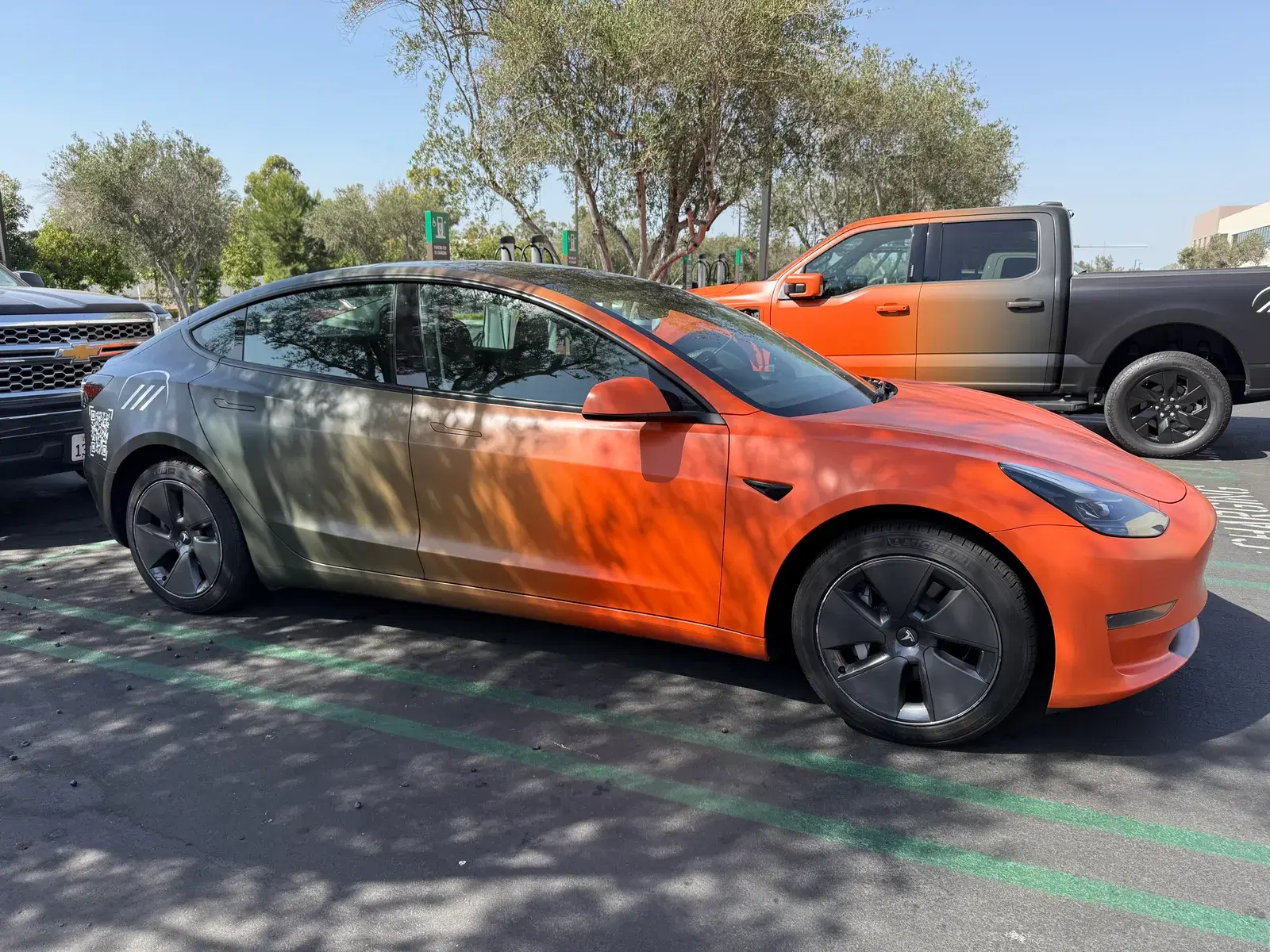
EV Charging
Charging an EV on grid power at peak rates hands back much of what you saved on gas, and a wall outlet takes days. A Level 2 charger fills the car overnight or on daytime solar — and because we also do solar and battery, we wire it to run on your own energy instead of peak-rate grid power. We install home chargers across Southern California under our own C-10 electrical license.
1Your situation
Charging an EV on grid power at peak rates hands back much of what you saved on gas.
2What changes
A car that fills up overnight or on daytime solar, on power you already made.
3How we do it
A Level 2 charger wired for your electrical panel and your solar, installed under our own C-10 electrical license.
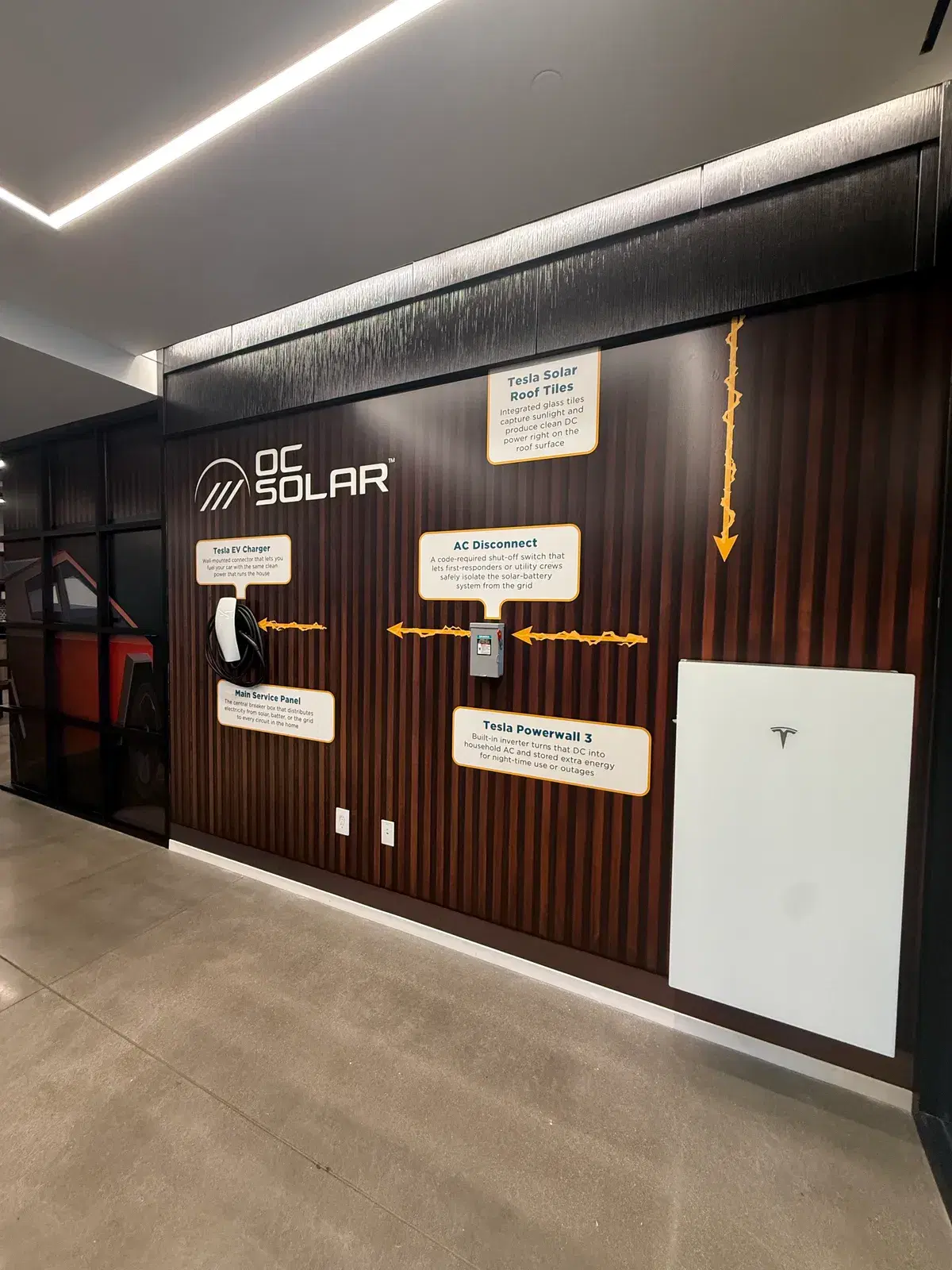
A 240-volt Level 2 charger adds many times the range per hour of a standard outlet, so you wake up to a full battery.
Because we install solar and storage too, we can size and wire your charger to run on daytime solar instead of expensive grid power.
Dedicated circuits, load calculations, and panel work done to code by our in-house crews — under our CSLB-licensed contractor (#1023627).
With a Powerwall, you can charge from stored solar and keep essential charging available during an outage, all managed in the Tesla app.
From panel to parking space
The charger is only one part of the scope. Panel capacity, circuit distance, parking position, permits, and the vehicle all shape the installation. OC Solar reviews those pieces before work begins so the electrical plan is clear.
Electrical work is completed under OC Solar's contractor license, CSLB #1023627. The estimate identifies charger, circuit, panel, and load-management scope before scheduling.
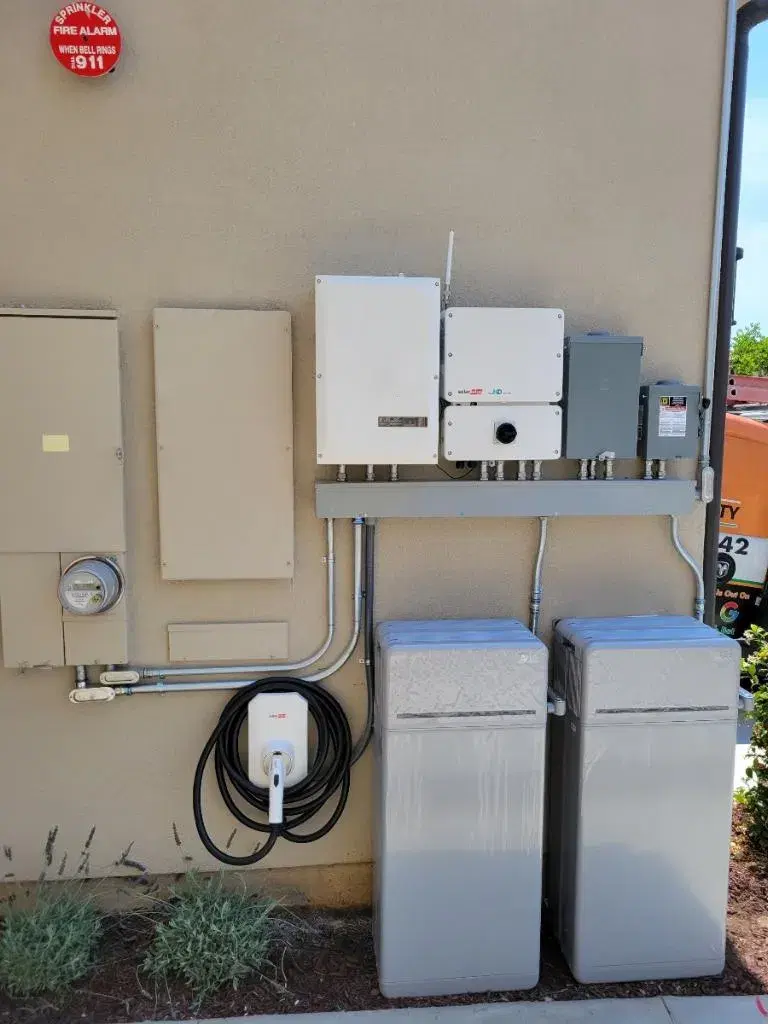
We run a load calculation on the existing panel before work begins. If capacity is tight, the proposal identifies whether the home needs a panel upgrade or load-management hardware.
The scope accounts for the distance from the electrical panel to the parking location, the dedicated circuit path, and where the charging cable needs to reach the vehicle.
The charger is mounted where it works for the garage or driveway, then wired on a dedicated 240-volt circuit by OC Solar's licensed electrical team.
OC Solar handles the permit and inspection for the installation. Final commissioning follows the selected charger's requirements so the system is ready for the vehicle and charging schedule.
Plan the charging window
Solar and time-of-use rates create different charging windows. The best schedule depends on when the vehicle is home and the utility plan at the address—not a one-size-fits-all promise.
When the car is home during solar hours, scheduled charging can use production from the roof instead of sending that energy to the grid first.
Common California time-of-use plans make the evening peak a poor default charging window. The exact schedule should follow the utility plan at the address.
If daytime solar charging is not practical, scheduled overnight charging can move the load outside the evening peak. Rates and hours vary by utility and plan.
One home-energy plan
Those two details help connect the charger to the larger energy plan: whether daytime solar can cover charging, whether overnight off-peak charging is the practical default, and whether solar or battery capacity should be considered at the same time.
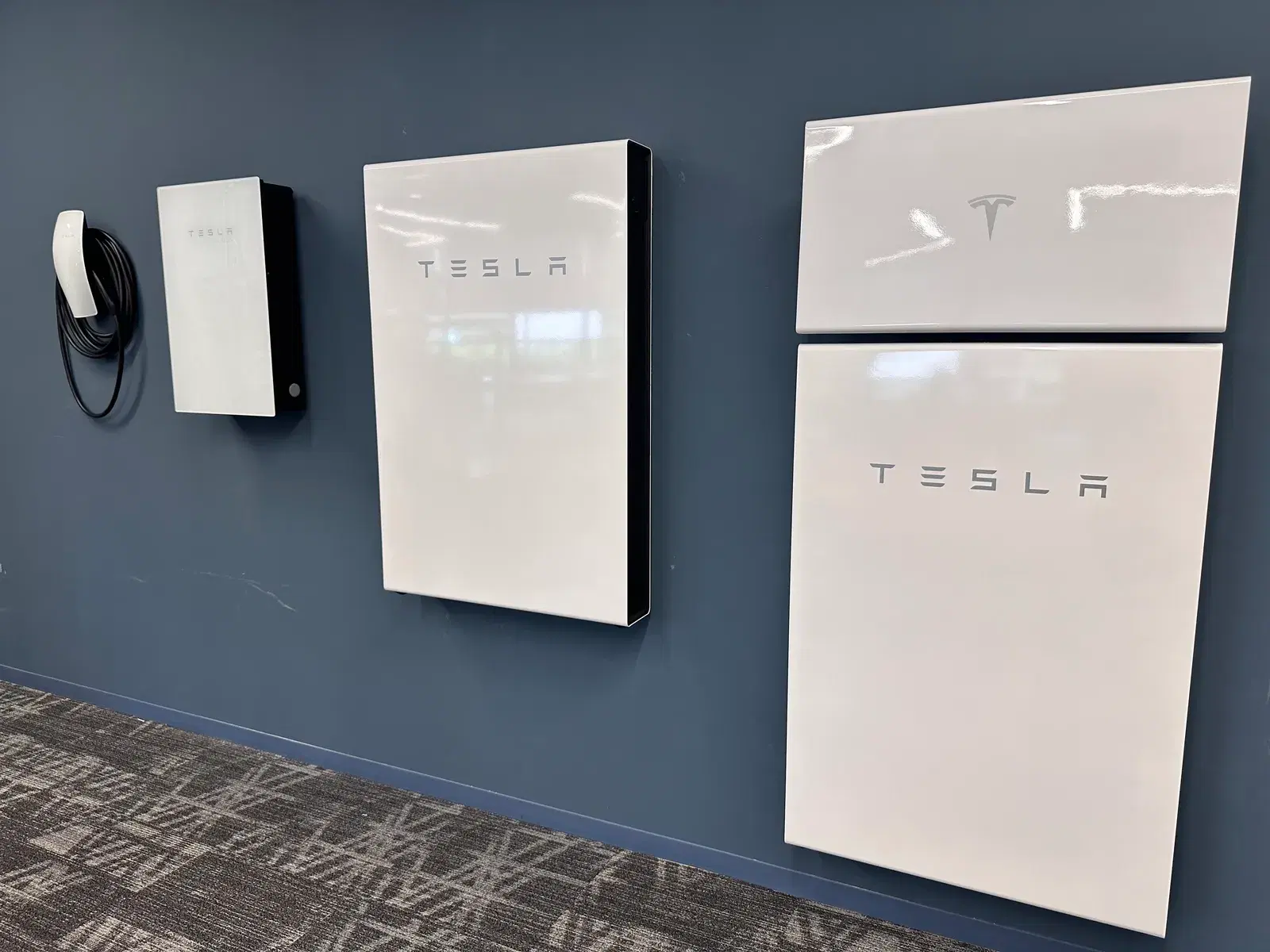
Connector and vehicle fit
Compatibility is more than the plug. We confirm the vehicle, selected charger, parking position, cable reach, electrical capacity, and whether solar or storage is part of the same project.
OC Solar installs Tesla Wall Connector equipment. We confirm the exact vehicle, charger, parking location, and electrical scope before the proposal is finalized.
We install compatible Level 2 equipment for vehicles using NACS (SAE J3400) or J1772. The exact connector, charger, and any adapter requirement are confirmed against the vehicle before the proposal is finalized.
If solar or storage is part of the project, we plan the charger as a real household load so the electrical design and charging schedule work together.
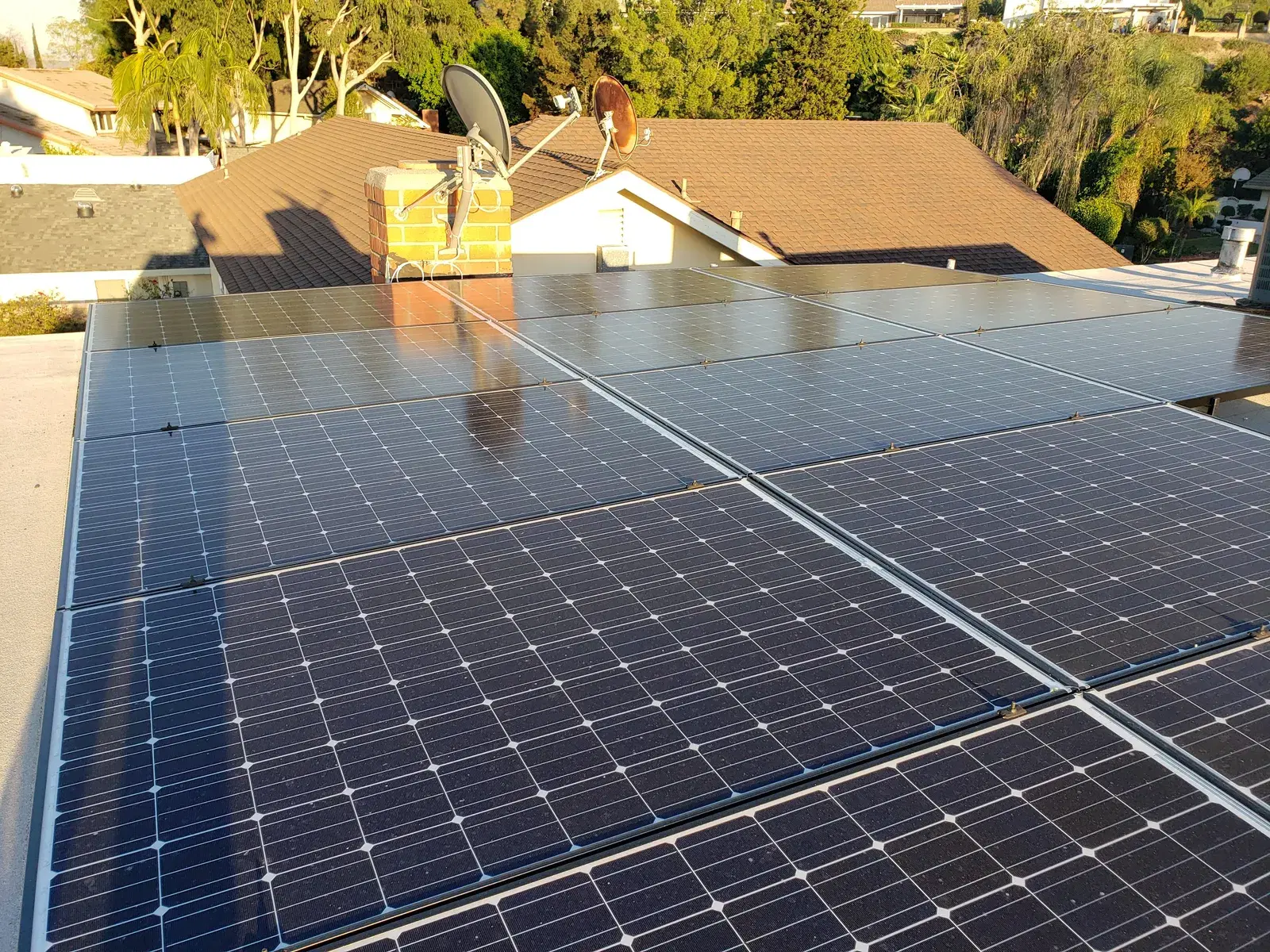
Project profile · Whittier
An 8.8 kW rooftop solar installation paired with a Tesla Universal Wall Connector for a Whittier home on Southern California Edison, combining daytime solar production with Level 2 EV charging at home.
Plan the full scope once
Start with the vehicle and parking location. We'll review the electrical path and show the charger, circuit, permit, and any panel work as one clear scope.
Service areas
EV Charging across Southern and Central California — with in-house crews working from local offices. A few of the cities we serve:
Good questions
Level 1 uses a standard 120-volt outlet and charges slowly — fine for plug-in hybrids but slow for full EVs. Level 2 uses a dedicated 240-volt circuit and charges several times faster, typically filling an EV overnight.
Yes. With solar you can charge during the day on power you generate; with a battery you can also charge from stored solar after sundown. We'll size the system for your home plus your car's typical mileage.
Sometimes. We run a load calculation on your existing panel first. If there isn't enough capacity, we'll either recommend a panel upgrade or use load-management hardware — and we'll tell you which before any work begins.
We install the Tesla Wall Connector for Tesla vehicles and universal Level 2 chargers with the J1772 connector for other EVs, wired to code by our in-house electricians.
Yes — in most cases we can add a Level 2 charger to a home that already has solar, after confirming your panel and circuit capacity. If you're also considering a battery, tell us at the same time: charging from stored solar after sundown is the cheapest way to fuel a car, and planning both at once avoids redundant electrical work.
It depends on the distance from your electrical panel to where you park, your panel's spare capacity, and whether you need a panel upgrade or load-management hardware — the charger itself is only part of the total. We run a load calculation first and give you an itemized price before any work begins. Estimates are free, and bundling with solar lets us size everything once.
Several times faster than a wall outlet. A Level 2 charger runs on a dedicated 240-volt circuit and typically fills an EV overnight, versus the slow trickle of a standard 120-volt plug that suits plug-in hybrids but frustrates full-EV owners. For daily driving, it's the difference between waking up to a full battery and rationing your range.
Not 4–9 PM. Under California's time-of-use rates, the evening peak is the most expensive way to fill a car. The cheap windows are midday on your own solar, from a battery filled by daytime solar, or overnight on off-peak rates — and most EVs and chargers can schedule charging automatically. We size and wire the charger so those cheap windows actually cover your driving.
More questions? Browse all 74 FAQs →
Rated 4.8★ on Google by Southern California homeowners. Read the reviews →
Why homeowners choose OC Solar
Manufacturer certifications


 1 of 12 installers
Awards & recognition
 2024
2024

 #1 in California2026Best Equipment2026Best Installation2026
Ratings, license & partnership
 Since 2017
 Team partnership
Keep researching
How home EV charging pairs with solar and time-of-use rates so you fuel up on your own power, not the 4–9 PM peak.
Sizing solar and storage for an EV without buying peak power.
Why when you charge matters as much as how much.
Refer & earn
Know someone tired of rising utility bills? Send them our way. When your friend or family member goes solar with OC Solar, we'll thank you with $500.
Send their info
Share your friend's name and a way to reach them — takes a minute.
They go solar
We design, install, and power on their system, start to finish.
You get $500
Paid after their system is installed. Refer as many as you like.
Or call 949-427-8817 to refer someone. Terms apply.
Design it yourself and see modeled pricing online—no sales call required. Eligible Southern California addresses can also book a free site audit. Prefer help? Our local team is available.
Already a customer? Refer a friend & get $500 · See all OC Solar reviews
Licensed, Bonded & Insured · CSLB #1023627