The honest head-to-head on storage and inverter architecture.
Solar Inverters · The brain of the system
The component that decides what your panels actually deliver.
Two roofs can carry identical panels and produce very different results — because the inverter decides how much of that power reaches your home. Panels make DC; your home runs on AC, and the inverter's architecture determines how your system handles shade, how you monitor it, and how it ages over 25 years. We install all three leading architectures and match the right one to your roof, not the other way around.
Outcomes first, equipment second
1Your situation
Two roofs can carry identical panels and produce very different results, because the inverter decides how much reaches your home.
2What changes
Panels that deliver what the datasheet promised — on shaded, complex, and simple roofs alike.
3How we do it
Enphase microinverters or SolarEdge optimizers, chosen from a model of your actual roof and shade, never a default.
Why homeowners choose OC Solar
Three architectures, one right fit
Per-panel microinverters (Enphase), DC-optimized string (SolarEdge), or an inverter integrated into the battery (Tesla Powerwall 3). Each wins on different roofs.
Per-panel visibility
Enphase and SolarEdge both report panel-by-panel production, so a sagging module shows up in your monitoring data — not as a surprise on your bill.
Warranties, stated honestly
25 years on Enphase microinverters; 25 years on SolarEdge optimizers with 12 on the inverter (extendable to 25); 10 years on Powerwall 3. We'll tell you what each actually covers.
Matched to your roof, not a default
Shading, roof planes, battery plans, and panel count all change the answer. We model your actual roof in Aurora before recommending an architecture.
The cloud test
Why the inverter matters more than people think
Two systems with identical panels can produce meaningfully different energy over a year — and the inverter architecture is usually why. Watch the same cloud cross the same roof under both architectures.
Flip the switch while the cloud crosses
Per-panel electronics: the cloud dims only the modules it shades — every other panel keeps producing at full brightness.
25 yr
Enphase microinverters
25 yr
SolarEdge optimizers
10 yr
Powerwall 3
The hardware, in detail
Three inverter architectures we install and stand behind
Microinverters, DC-optimized, and battery-integrated — these are the exact units we quote, with specs verified from manufacturer datasheets.
Inverter · Module-level
Enphase IQ8 Microinverters
A microinverter on every panel — more energy, no single point of failure.
25 yr
warranty
Per-panel
monitoring
97.5%
peak efficiency
- Architecture
- One microinverter per panel
- Peak output (per unit)
- 245–384 VA (by model)
- CEC efficiency
- up to 97.5%
- Grid-forming
- Yes — Sunlight Backup ready
- Rooftop DC voltage
- None (safer, rapid-shutdown compliant)
- Enclosure
- NEMA 6, outdoor-rated
- Module-level MPPT: shade or soiling on one panel doesn't drag down the rest of the array.
- No single point of failure — if one microinverter ever needs service, the rest keep producing.
- Sunlight Backup can run priority loads from solar during a daytime outage, even without a battery.
- No high-voltage DC on the roof — inherently safer and rapid-shutdown compliant.
- Future-ready: add an Enphase IQ Battery later without replacing inverters.
25-year limited warranty — industry-leading for inverters.
Inverter · DC-optimized
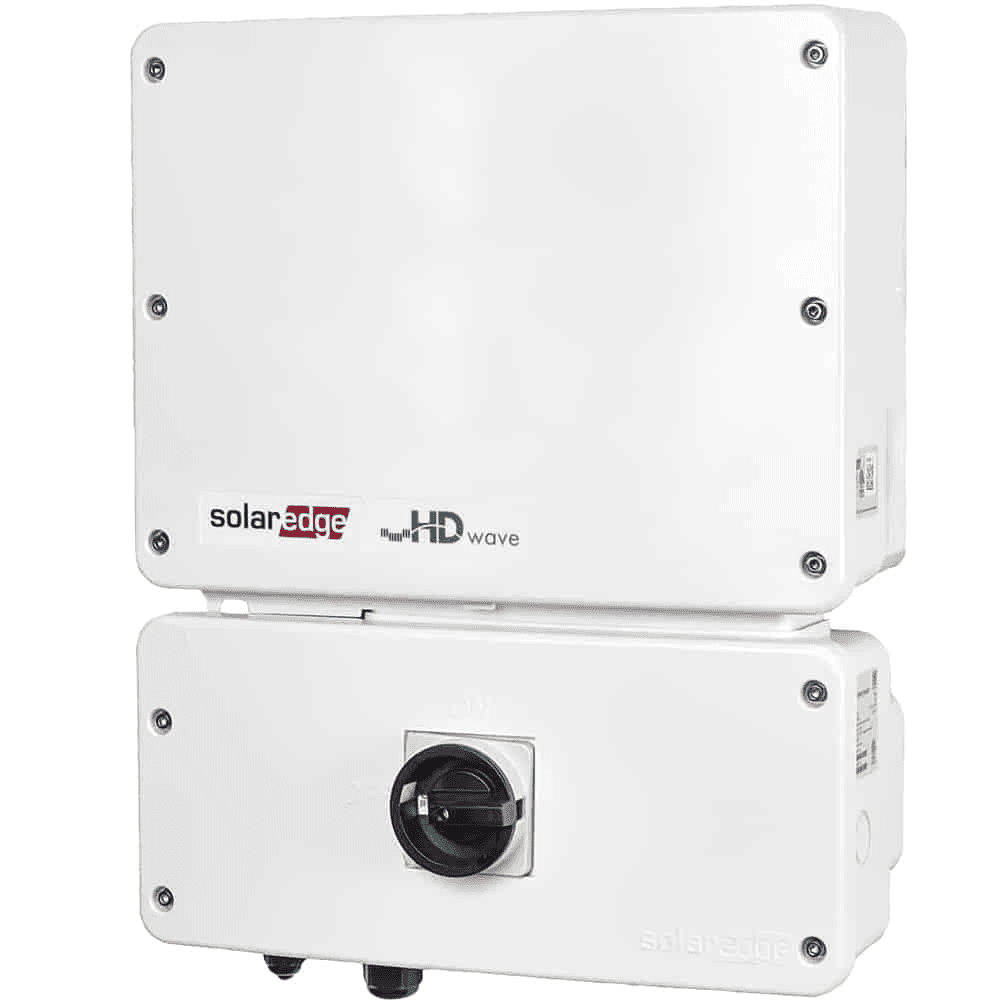
SolarEdge Home Hub Inverter
Module-level optimizers recover energy lost to shade — ideal for complex roofs.
99%
weighted efficiency
99.5%
optimizer efficiency
200%
DC oversizing
- Inverter efficiency
- 99% CEC weighted (HD-Wave)
- Optimizers
- S-series, 99.5% efficiency
- Module-level MPPT
- Yes — per-panel optimization
- Safety
- SafeDC module-level shutdown
- Backup
- Optional DC-coupled home battery
- Monitoring
- Revenue-grade, per-panel
- Each panel is optimized independently — the best choice for partial shade and multi-plane roofs.
- SafeDC drops module voltage to ~1 V when the system is off for firefighter and installer safety.
- Record 99% weighted efficiency with up to 200% DC oversizing for more production.
- Expandable: add a SolarEdge Home Battery and EV charger to the same inverter.
12-year inverter warranty (extendable to 25) · 25-year optimizer warranty.
Inverter · Integrated with storage
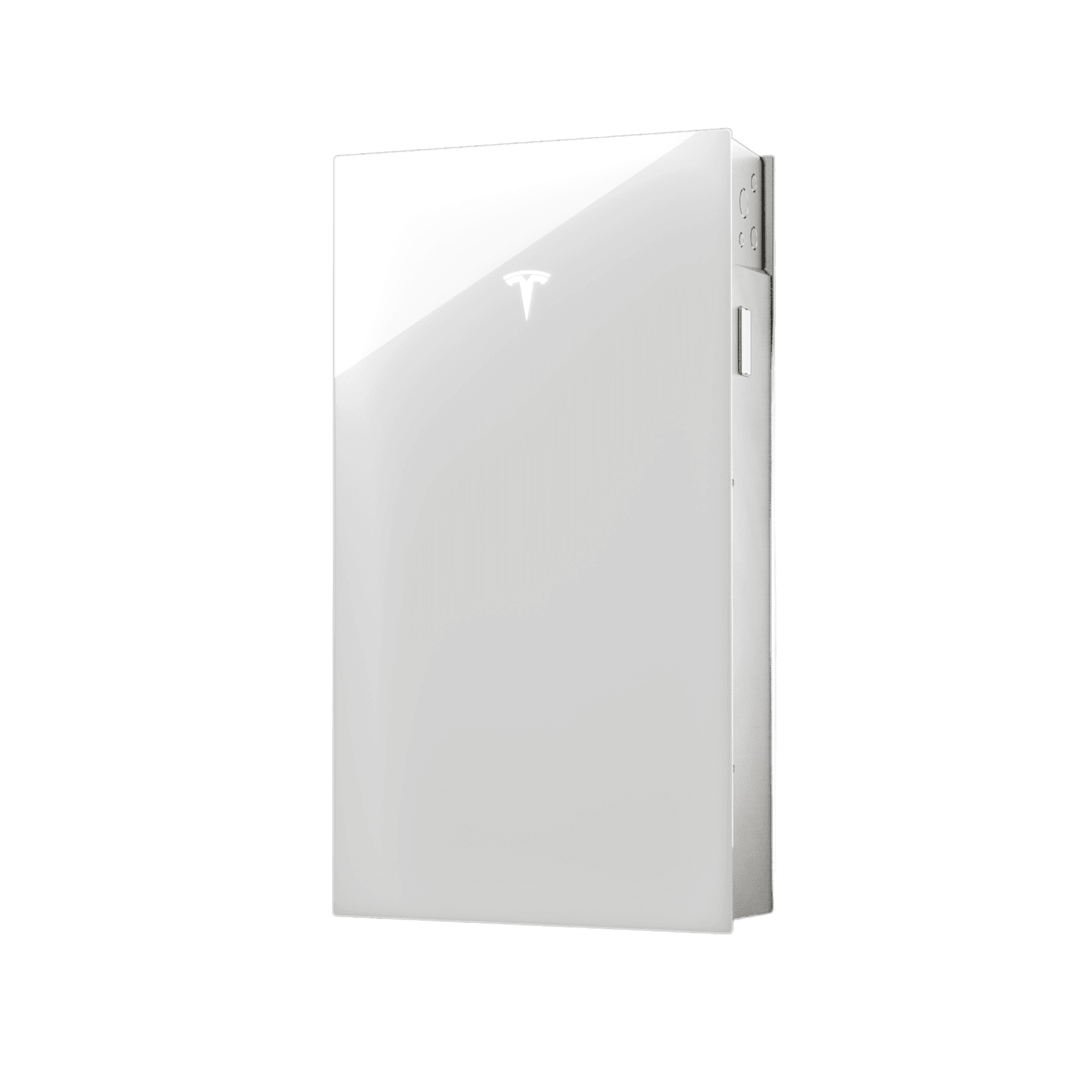
Tesla Powerwall 3 — Integrated Inverter
The solar inverter is built into the battery — one unit converts your solar, stores it, and backs up your home.
11.5 kW
continuous power
20 kW
solar input
6
MPPTs
- Architecture
- Solar inverter integrated into the battery
- Continuous power
- 11.5 kW AC
- Maximum solar input
- 20 kW DC (STC)
- MPPTs
- 6 (13 A Imp / 15 A Isc per MPPT)
- PV MPPT voltage range
- 60–480 V DC
- Solar-to-home efficiency
- 97.5% (CEC weighted)
- Usable storage
- 13.5 kWh
- Load start capability
- 185 LRA
- One box on the wall: solar inverter, 13.5 kWh battery, and backup logic in a single unit.
- Six MPPTs accept up to 20 kW of solar — plenty of headroom for multi-plane roofs and future expansion.
- 11.5 kW of continuous AC power runs most homes and starts heavy motor loads (185 LRA).
- 97.5% CEC-weighted solar-to-home efficiency — storage built in from day one, not bolted on later.
10-year warranty (as part of the Powerwall 3 unit).
How we choose for your roof
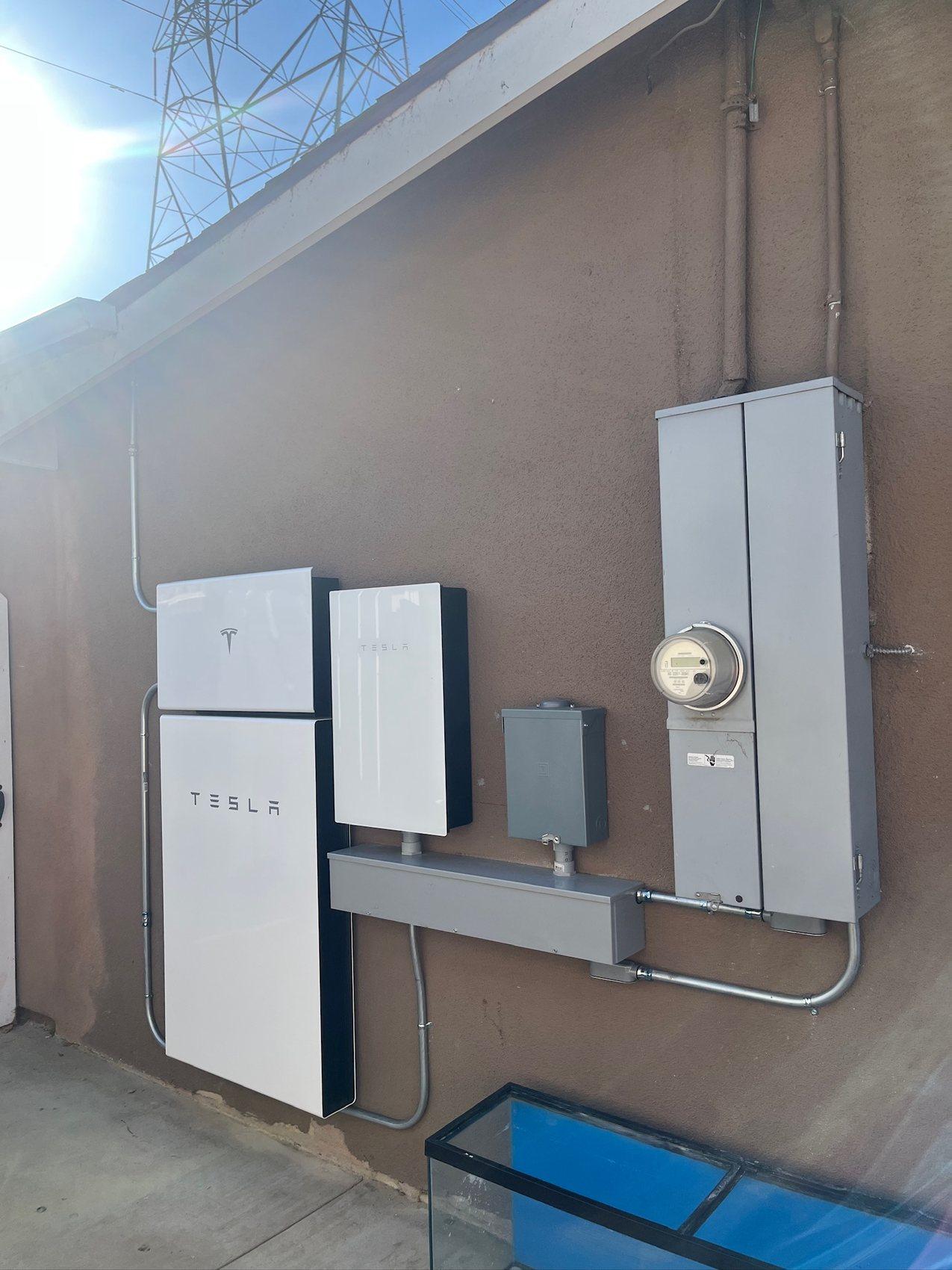
We model your actual roof, shading, and usage in Aurora before recommending anything. Complex or partially shaded roofs usually favor per-panel electronics (Enphase or SolarEdge); homes designed around storage often pencil best with Powerwall 3's integrated inverter, which removes a separate box and a separate failure point. We'll show you the production estimate behind the recommendation.
- Shading and roof-plane analysis in Aurora
- Battery plans factored in from the start
- A written production estimate, not a guess
Weighing Powerwall 3 against an Enphase battery? Read our Enphase IQ Battery 10C vs Powerwall 3 comparison — verified specs, honest trade-offs.
Service areas
Where we install
Solar Inverters across Southern and Central California — with in-house crews working from local offices. A few of the cities we serve:
Good questions
Solar Inverters FAQ
Enphase puts a small microinverter under every panel, so each converts DC to AC independently. SolarEdge pairs a per-panel DC optimizer with one central inverter. Powerwall 3 builds the solar inverter into the battery itself, so solar conversion, storage, and backup live in one unit. All three are excellent — they just win on different roofs and goals.
Per-panel electronics — Enphase microinverters or SolarEdge optimizers — because each panel produces independently, so shade on one doesn't drag down the rest. On a complex multi-plane roof, that usually outweighs other considerations. We confirm it with a shade model of your actual roof rather than a rule of thumb.
Enphase IQ8 microinverters carry a 25-year limited warranty. SolarEdge covers optimizers for 25 years and the inverter for 12 (extendable to 25). Powerwall 3 — including its integrated inverter — carries a 10-year warranty. We'll walk you through what each actually covers before you sign.
Yes, with any of the three. Enphase IQ Batteries AC-couple to IQ8 systems without replacing inverters; SolarEdge Home Hub accepts a DC-coupled battery; and a Powerwall 3 system is storage from day one. If a battery is even a maybe, tell us — it changes which architecture pencils best.
It depends on the architecture and your system: microinverters scale with panel count, a SolarEdge system pairs per-panel optimizers with one central inverter, and Powerwall 3 bundles the inverter into the battery. Your proposal itemizes the inverter line so you can compare architectures at real prices for your actual roof — request a free estimate and we'll model the options that make sense for it.
By warranty: Enphase IQ8 microinverters are covered for 25 years, SolarEdge optimizers for 25 years with 12 on the central inverter (extendable to 25), and Powerwall 3 — including its integrated inverter — for 10 years. The inverter is the component doing the daily work of conversion, which is why we put real weight on these warranty differences when recommending one.
It's the IQ8's ability to run priority loads directly from solar during a daytime outage, even without a battery — the microinverters are grid-forming. The honest fine print: it works only while the sun is shining, delivers roughly 30% of rated output, and requires an IQ System Controller. It's a daytime bridge, not whole-home backup; for that, you want a battery.
Your monitoring will show it. Enphase and SolarEdge both report panel-by-panel production, so a failed microinverter or optimizer shows up in the data — not as a surprise on your bill. Every OC Solar install includes 24/7 monitoring and a written production guarantee, and our in-house service team repairs inverter faults, including on systems other companies installed.
OC Solar installs SolarEdge systems across Southern and Central California, including the new Nexis platform — the Nexis inverter with its modular, cable-free LFP Battery Blocks that scale from 4.65 to 18.6 kWh per stack. Because we also install Enphase and Tesla Powerwall 3, we model Nexis against the alternatives on your actual roof and recommend the architecture that wins on the numbers — not the one brand we happen to carry.
More questions? Browse all 74 FAQs →
Rated 4.8★ on Google by Southern California homeowners. Read the reviews →
Why homeowners choose OC Solar
Verified track record, in-house crews
10+
Years serving SoCal
Founded 2016
30+
MW installed
across Southern California
6,373+
Projects & service calls
by in-house crews
4.8★
Google rating
400+ reviews · BBB A+
Manufacturer certifications


 1 of 12 installers
- EnphaseInstaller NetworkStorage-certified · IQ Battery
- QcellsQ.PARTNERAuthorized installer
- RECCertified Solar ProfessionalProTrust warranty program
- SolarEdgeCertified Installer
- Owens CorningRoofing Preferred Contractor
Awards & recognition
 2024
2024- Solar Power WorldTop Solar Contractor2025#203 nationally
- PanasonicTop Residential Installer of the Year2023Southern California
- EY (Ernst & Young)Entrepreneur Of The Year — Finalist2025Pacific Southwest
- Orange County Business JournalExcellence in Entrepreneurship Award2026
- HouzzBest of Houzz2022
- AngiSuper Service Award2024


 #1 in California2026
- Best Equipment2026
- Best Installation2026
Ratings, license & partnership
 Since 2017
- Yelp4.7★ rating462 reviews
- Google4.8★ rating400+ reviews
- EnergySage5.0★ · Elite InstallerScreened & Verified · 25 reviews
- CSLBLicense #1023627Licensed · Bonded · Insured
 Team partnership
Keep researching
Choosing the right inverter and storage
How inverter architecture and battery choice shape what your panels actually deliver.
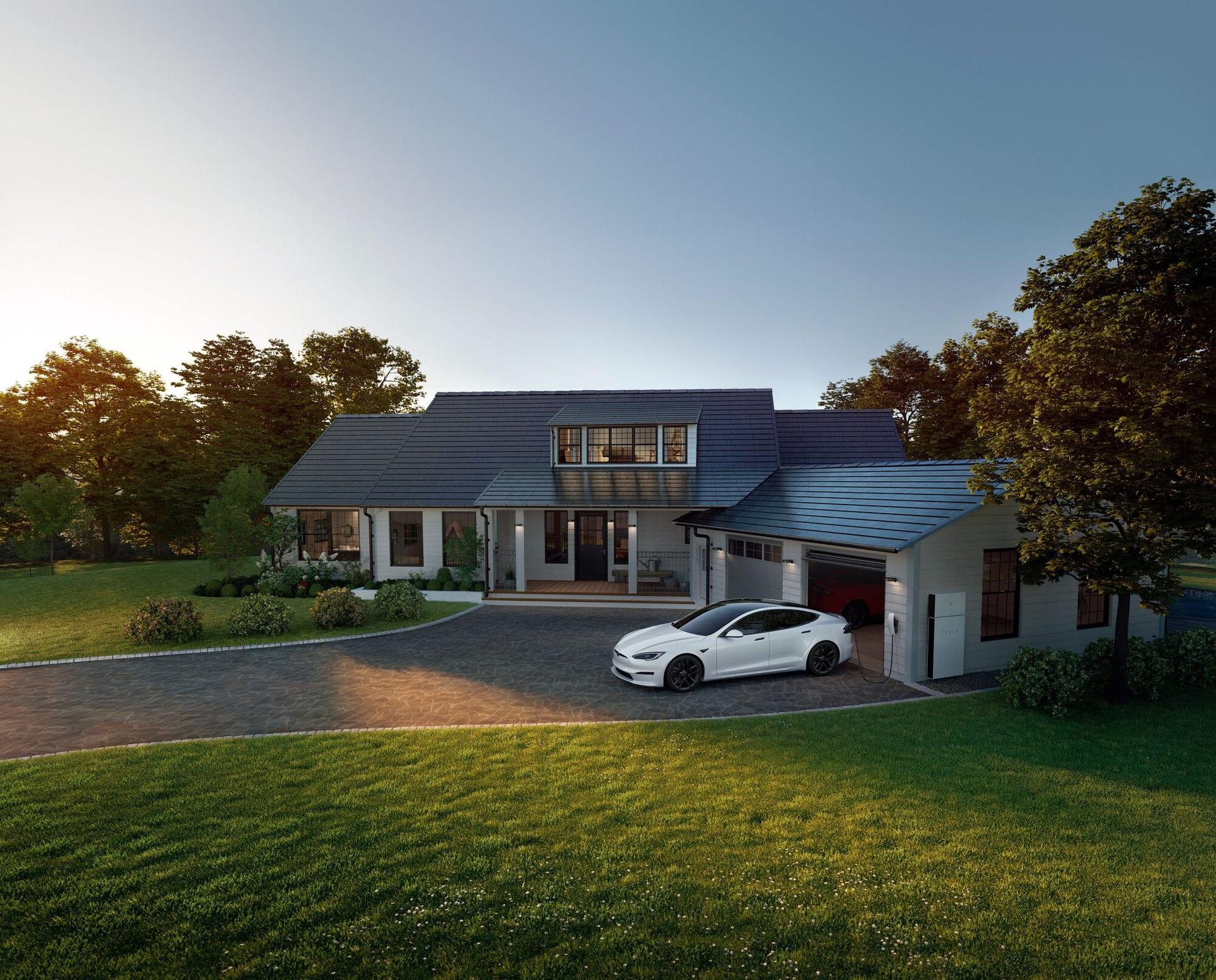
What moves an installed Powerwall quote up or down.
Refer & earn
Refer a friend.
Get $500.
Know someone tired of rising utility bills? Send them our way. When your friend or family member goes solar with OC Solar, we'll thank you with $500.
- 1
Send their info
Share your friend's name and a way to reach them — takes a minute.
- 2
They go solar
We design, install, and power on their system, start to finish.
- 3
You get $500
Paid after their system is installed. Refer as many as you like.
Or call 949-427-8817 to refer someone. Terms apply.
Ready to take control of your power bill?
Design it yourself and see modeled pricing online—no sales call required. Eligible Southern California addresses can also book a free site audit. Prefer help? Our local team is available.
Already a customer? Refer a friend & get $500 · See all OC Solar reviews
Licensed, Bonded & Insured · CSLB #1023627