Published June 26, 2026 · Updated September 2, 2026 · 7 min read
The short answer
For most California homes with a sound roof, conventional solar panels win on watts per dollar — they cost less and deliver the same clean energy. The Tesla Solar Roof wins when you need a new roof anyway, because it replaces the roof and adds solar in one integrated surface with a single 25-year warranty. The honest comparison isn't Solar Roof vs panels alone — it's Solar Roof vs a full reroof plus panels. OC Solar installs both and models them side by side.
By OC Solar
The honest framing before the comparison
Almost every "Tesla Solar Roof vs solar panels" article reaches the same verdict — "panels are cheaper, Solar Roof isn't worth it" — because it compares the Solar Roof against panels bolted onto a roof you weren't going to touch. On that comparison the Solar Roof always loses, because it includes a complete roof replacement. The fairer question is: do you need a new roof? If yes, the real comparison is Tesla Solar Roof vs a full reroof plus a separate panel install — and that's where it gets interesting.
OC Solar designs and installs both integrated Tesla Solar Roof systems and conventional rooftop solar. That makes the comparison practical: if your existing roof is sound, panels will usually deliver more solar capacity per dollar; if a tear-off reroof is already necessary, Solar Roof deserves to be compared against the combined cost and scope of a new roof plus panels.
Tesla Solar Roof vs solar panels: side by side
Here's the head-to-head on the factors that actually decide it. Costs are shown as relative ranges, not flat prices, because both products are quoted per your specific roof and usage — the only accurate number is an itemized proposal.
| Factor | Tesla Solar Roof | Conventional panels |
|---|---|---|
| Cost (per watt) | Higher — it includes a full roof replacement, so it's the most expensive path per watt. Best judged against a reroof + panels, not panels alone. | Lower — typically the more cost-effective path per watt because the existing roof remains in place. The final amount still depends on system size, roof conditions, electrical scope, equipment, and storage. |
| When it makes sense | When you need a new roof anyway, or aesthetics/durability carry real weight. | When your existing roof is sound and you want maximum production per dollar. |
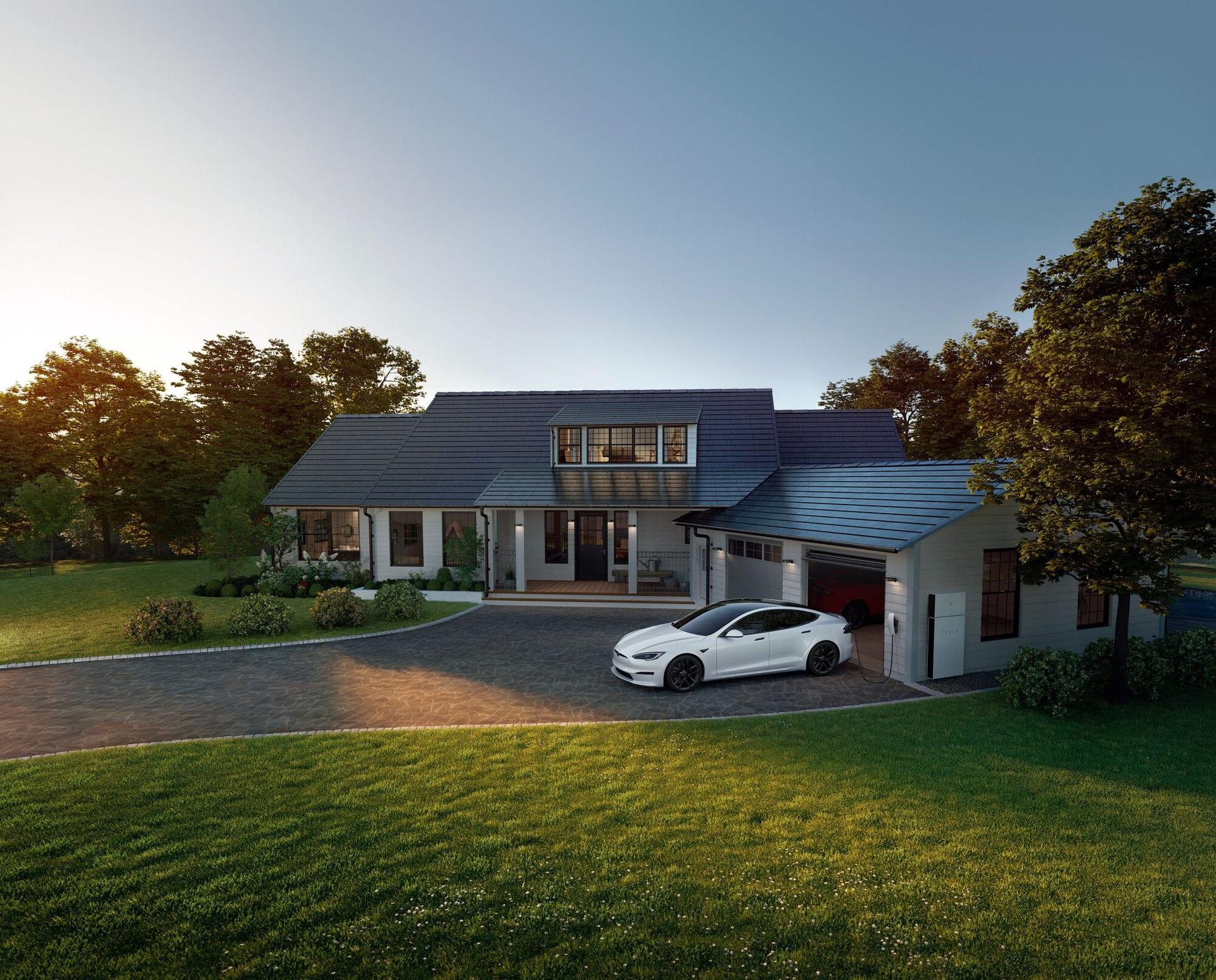
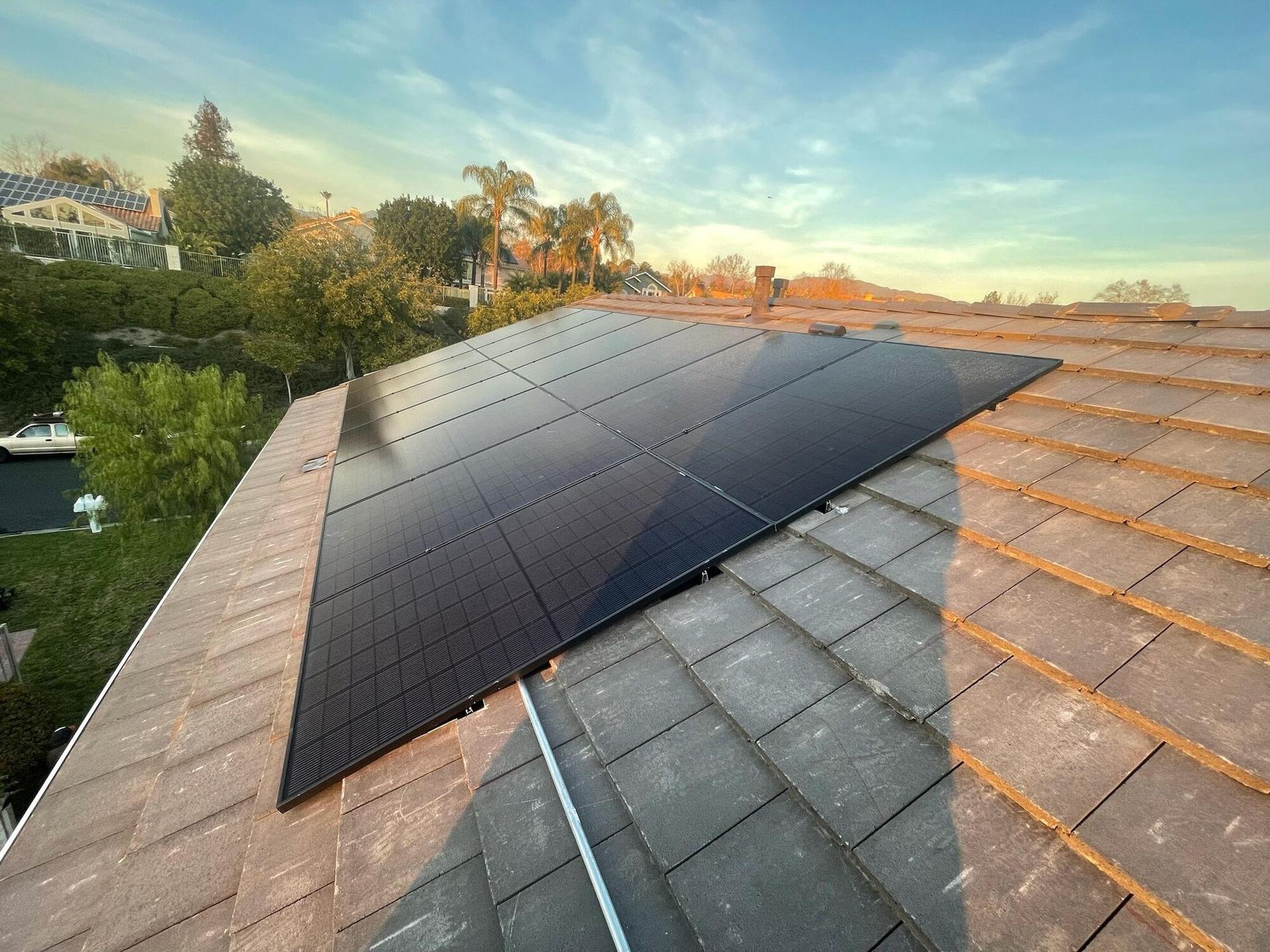
| Look / aesthetics | Premium. Tempered-glass solar tiles plus matching steel tiles form one clean, uniform roofline — no racked panels. | Modern all-black panels look sharp, but you still see distinct panels mounted above the roof surface. |
| Roof replacement | Included — the solar IS the roof, installed as one project. | Separate — panels mount onto your existing roof; a reroof is its own job. |
| Warranty | Single integrated 25-year warranty covering tile, weatherization, and power (per Tesla's tile warranty). | Layered — manufacturer warranties on panels/inverter (often 25 yr) plus a separate roof warranty and the installer's workmanship warranty. |
| Install time | Longer — a full roof tear-off and tile install is a bigger project. | Shorter — a typical panel install is faster since the roof stays. |
| Best for | Reroof-due homes, design-forward / HOA-sensitive streets, and high fire/wind exposure. | Sound-roof homes, tight budgets, and anyone optimizing watts per dollar. |
The comparison is directional, not a quote. Tesla publishes a 25-year product, weatherization, and module warranty for current U.S. Solar Roof systems. Tesla also lists Class A fire, Class 4 hail, and up-to-194-mph design wind specifications; consult the current warranty and system documents for terms and limitations.
When the Tesla Solar Roof wins
Scenario one — you need a new roof anyway. If your roof has under ~10 years of life left, installing panels means paying to detach and reset the whole array when the roof fails. You're reroofing either way, so the Solar Roof consolidates two projects into one. Run both numbers honestly — Solar Roof versus a premium tear-off reroof plus a separate solar install — and the gap is far smaller than the "panels alone" comparison implies.
Scenario two — aesthetics matter. On street-facing roof planes, in design-conscious neighborhoods, or under an HOA, a uniform glass roofline often clears approval more gracefully than racked panels and simply looks higher-end.
Scenario three — durability is the priority. In WUI wildfire zones and along the windy coast, Tesla's tiles carry top-of-class ratings (Class A fire, Class 4 hail, up to 194 mph design wind, per Tesla's tile datasheet), doing double duty as roofing and as solar. The fastest way to see whether the look fits your home is the Tesla Solar Roof Visualizer — preview your actual roofline before committing to anything.
When conventional panels win
If your roof was replaced recently or has plenty of life left, panels are almost always the better value — you get the same clean kilowatt-hours for less money, without paying to replace a roof that doesn't need replacing. On a tight budget or when you're optimizing pure watts per dollar, modern all-black panels are the cost-effective choice, and a faster install on top of that.
One thing is similar either way: California homeowners should model solar and storage together. A battery can shift midday production into evening use and provide backup power, subject to the system design and selected backup scope. See NEM 3.0 explained and why a battery matters in California.
So — is the Tesla Solar Roof worth it vs panels?
It comes down to one question: is your roof due? If your roof is sound, conventional panels are the smarter buy and we'll tell you so. If you're reroofing anyway, the Solar Roof turns two projects into one integrated system with a single 25-year warranty, a premium look, and class-leading durability — and the price gap narrows to the point where those benefits can decide it.
Because both numbers are roof-specific, the right move is to see them side by side for your home. OC Solar installs both — Tesla Solar Roof and conventional panels — so we have no incentive to push one over the other. Get a free, no-pressure estimate and we'll model both paths with real figures, or preview the look first with the Tesla Solar Roof Visualizer.
FAQ
Neither is universally better — it depends on your roof. If your existing roof is sound, conventional panels deliver more watts per dollar and are the better value. If you need a new roof anyway, or you prioritize a premium uniform look and top-tier fire/hail/wind durability, the Tesla Solar Roof wins because it combines a new roof and solar into one integrated system with a single 25-year warranty. OC Solar installs both and models them side by side.
Against panels alone, no — the Solar Roof always costs more because it includes a full roof replacement. But that's the wrong comparison if your roof is due. Against a premium tear-off reroof plus a separate solar install, the gap narrows substantially, and the single integrated warranty and aesthetics can tip the decision. We price both paths side by side so you can see the real difference.
Solar shingles like the Tesla Solar Roof look cleaner and replace your roof at the same time, but they cost more per watt than standard panels, which produce the same clean energy for less. Shingles make the most sense when you're already re-roofing, prioritize appearance, or want maximum durability. If your roof is sound and budget is the priority, regular panels are usually the better choice.
A well-designed system of either type can cover your usage — but panels generally offer more flexibility to maximize production per dollar, since you can place high-wattage panels on your sunniest planes. On the Solar Roof, output depends on how much of the roof is energy-producing active tile versus matching non-solar steel tile. We size both to your actual usage and your roof's sun exposure rather than to a template.
In practical terms, yes — for both the Tesla Solar Roof and conventional panels. Under NEM 3.0, exported daytime solar earns a low credit, so the savings come from storing your own power in a battery and using it during the expensive 4–9 PM peak. A battery also gives you backup during outages. The choice between Solar Roof and panels doesn't change the battery math.
OC Solar installs both Tesla Solar Roof and conventional solar-panel systems across Orange County and Southern California. That lets the design team compare the two approaches around the same roof, usage, storage needs, and project scope instead of forcing every homeowner into one product.
Tesla's current U.S. Solar Roof limited warranty describes 25-year product, weatherization, and module coverage, subject to its terms, exclusions, and power-output schedule. Review the warranty that applies to your product and installation before signing.
Sources
- 1.Tesla — Solar Roof system specifications — Tesla Energy Library · accessed 2026-07-21
- 2.Tesla — Solar Roof limited warranty (USA) — Tesla · accessed 2026-07-21
Incentives and rates change. This page is kept current — but always confirm specifics for your home.
Get a free, honest estimate →