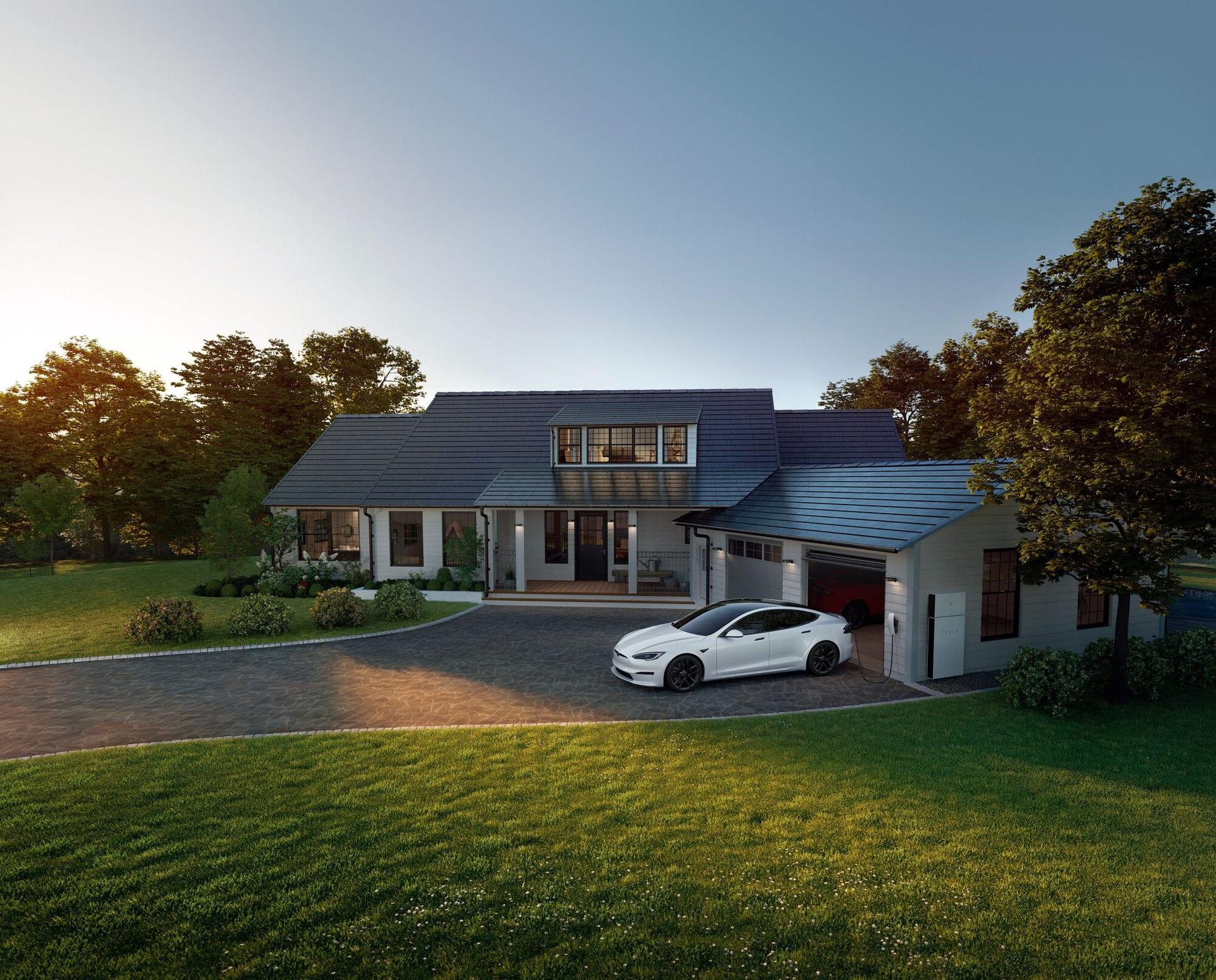
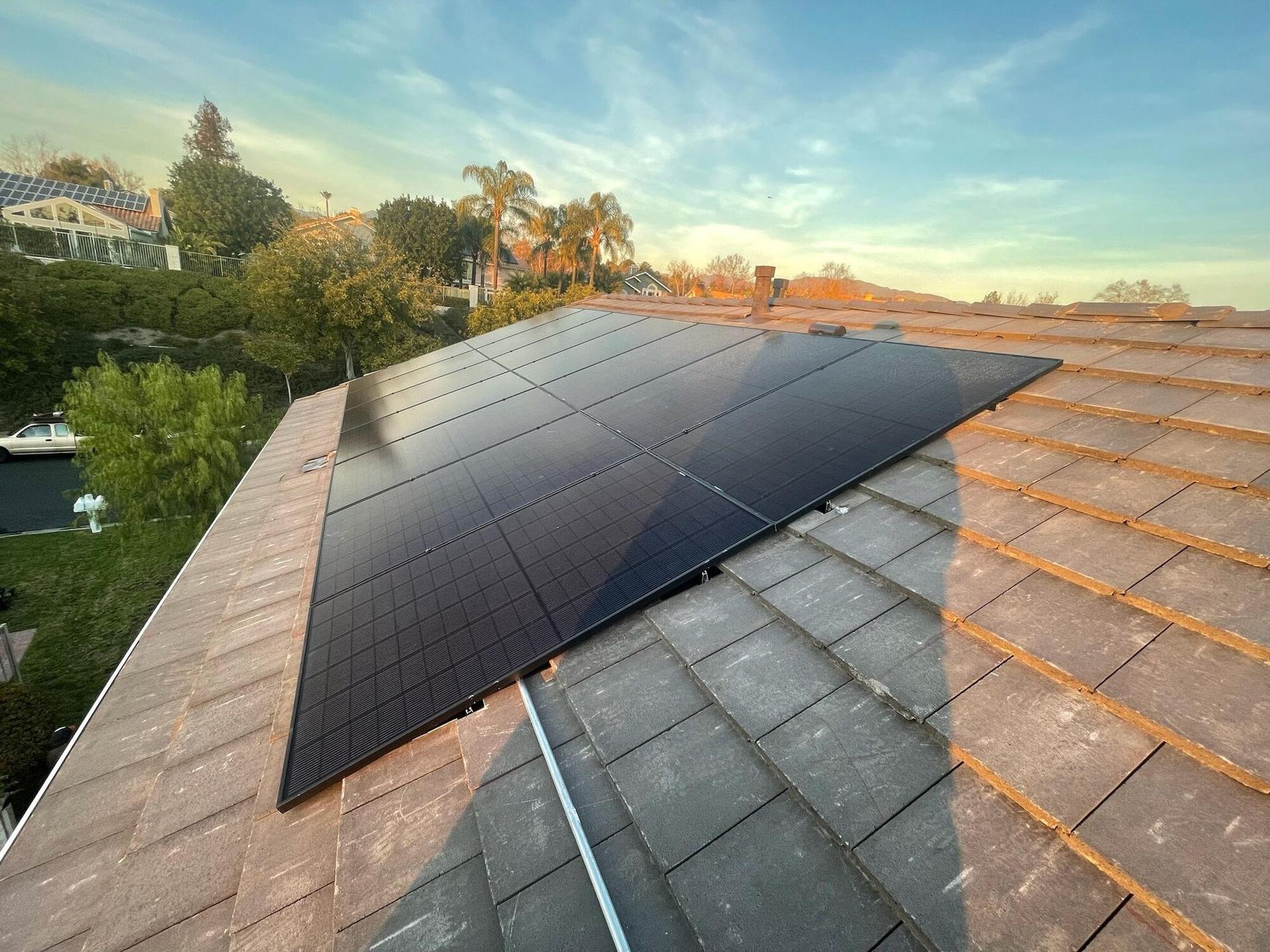
Published June 10, 2026 · Updated July 21, 2026 · 8 min read
The short answer
Both are excellent LFP home batteries — and we install both. Powerwall 3 wins on raw power: 11.5 kW continuous, 185 A motor start, and a built-in solar inverter. The IQ Battery 10C wins on warranty (15 years vs 10), AC-coupled retrofits, and microinverter systems. Your loads, roof, and existing equipment decide it.
By Vinnie Curcie, Founder & CEO, OC Solar · Reviewed by Tyler Kirk, Construction Manager
The short verdict, from a crew that installs both
Most comparisons of these two batteries are written by companies that only sell one of them. OC Solar is a Tesla Powerwall Premier Certified installer and an Enphase-certified installer, so we have no horse in this race — we design and install both ecosystems across Orange County and Southern California as part of our battery storage service.
The honest verdict: choose the Tesla Powerwall 3 when you want maximum power from a single unit — whole-home backup, big AC compressors, a new solar system where its built-in inverter saves a box on the wall. Choose the Enphase IQ Battery 10C when you're adding storage to an existing system, building around Enphase microinverters, or when its 15-year warranty and quiet, passively cooled design matter more to you than peak output. Neither is 'the best battery' — one of them is the best battery for your house.

Spec for spec: IQ Battery 10C vs Powerwall 3
Here are the two units side by side, using each manufacturer's published datasheet figures rather than marketing copy. Both use cobalt-free lithium iron phosphate (LFP) chemistry — the stable, long-cycle-life cell type that's become the residential standard.
| Spec | Enphase IQ Battery 10C | Tesla Powerwall 3 |
|---|---|---|
| Usable capacity | 10.0 kWh | 13.5 kWh |
| Continuous output | 7.08 kVA at 240 V | 11.5 kW (on-grid) |
| Motor starting | Power Start, up to 90 A LRA | 185 A LRA |
| Chemistry | Lithium iron phosphate (LFP) | Lithium iron phosphate (LFP) |
| Coupling | AC-coupled — 4 embedded grid-forming IQ8B microinverters | DC-coupled solar via integrated inverter (up to 20 kW across 6 MPPTs) |
| Round-trip efficiency | 90% (AC) | 97.5% (solar-to-grid) |
| Warranty | 15 years · 6,000 cycles · ≥60% capacity | 10 years · unlimited cycles · ≥70% capacity (unit must stay internet-connected) |
| Enclosure & cooling | Outdoor NEMA 3R · passive cooling, no fans, under 33 dBA | Indoor + outdoor · IP55/IP67 |
Figures from Enphase's IQ Battery 10C datasheet and Tesla's Powerwall 3 datasheet, current as published at the time of writing. Manufacturers revise datasheets — we confirm the current revision and your exact configuration at design.
Sizing and placement: the 3-foot rule
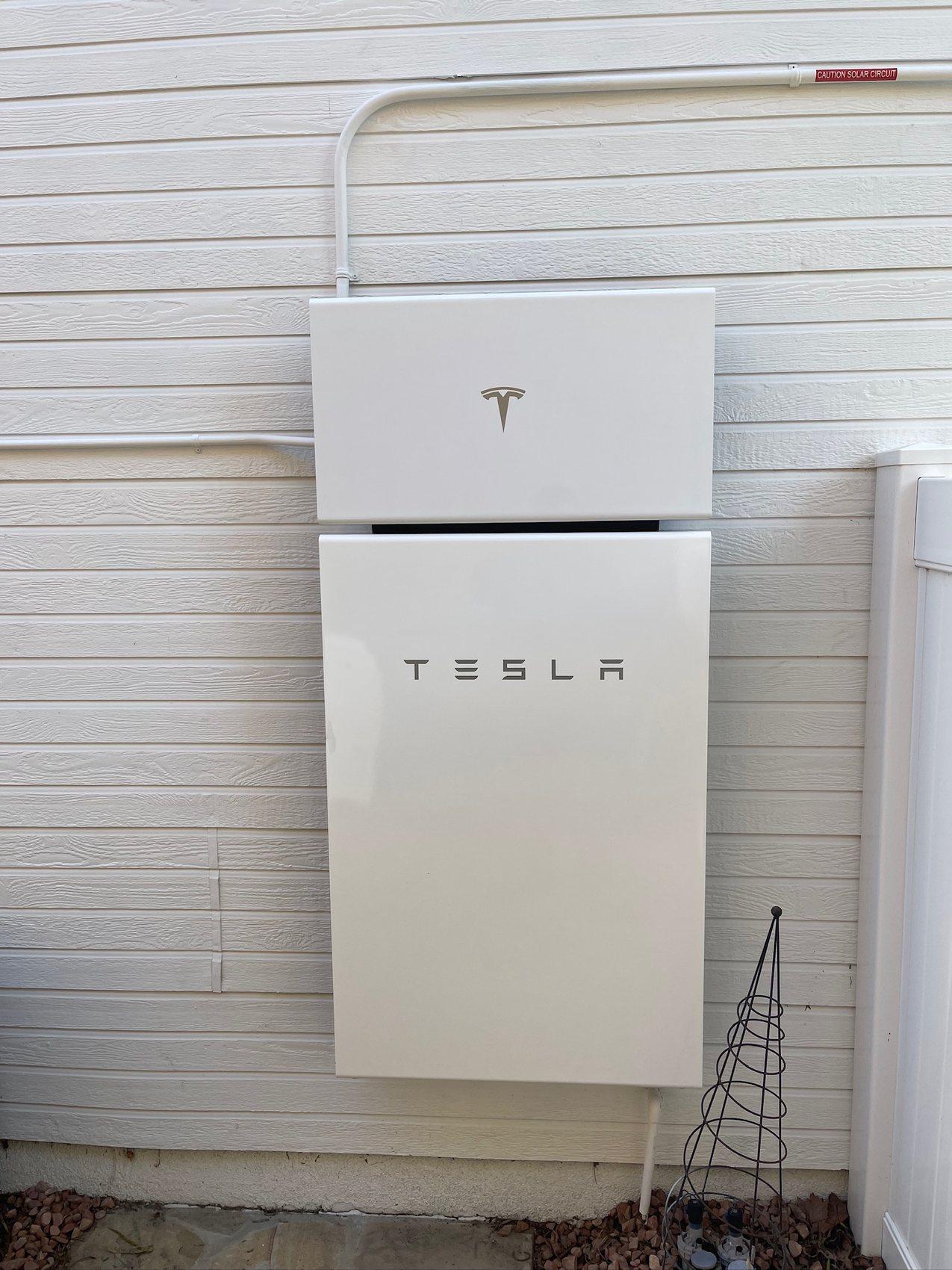
Specs don't install themselves — wall space does. Under the energy-storage rules California adopted into its residential code, home batteries generally need to keep about 3 feet of clearance from doors, windows, and other openings, and there are limits on how much storage can sit in one location. On a typical stucco side yard, that 3-foot rule decides battery placement more often than any spec sheet.
Both units are wall-mounted and outdoor-rated, and both stack: Powerwall 3 expands to four units in parallel, and IQ Battery 10C systems combine multiple units for more capacity and output. The practical difference is granularity — the 10C grows in 10 kWh steps and the Powerwall in 13.5 kWh steps, so your usage profile and available wall length both factor into which scales more cleanly at your home. This is exactly the kind of thing we measure at the site survey rather than guess from a satellite photo.
Backup scope: what one unit actually runs
A single Powerwall 3 delivers 11.5 kW of continuous power with 185 A of motor-starting current — enough to back up most small-to-medium homes whole, including starting a central AC compressor. Larger homes typically pair two or three units for true whole-home backup.
A single IQ Battery 10C delivers 7.08 kVA continuously with Power Start handling motor loads up to 90 A LRA. In practice that means a well-planned essentials-to-most-of-home backup from one unit — lights, refrigeration, internet, garage door, many AC units via Power Start — with whole-home coverage coming from multiple units. If you're still deciding whether you need storage at all, start with our guide on whether you need a battery with solar in California.
Microinverters or string: your solar architecture decides a lot
The coupling row in the table matters more than it looks. Powerwall 3 has a solar inverter built in — up to 20 kW of panels land directly on the battery across six MPPTs, which makes it a natural one-box choice for a new string-architecture system. The IQ Battery 10C is AC-coupled with four grid-forming microinverters inside, which makes it the natural partner for Enphase microinverter systems — and the easier retrofit onto an existing array of almost any brand, because it doesn't care how your existing inverter works.
Rule of thumb from our design desk: new system with no strong inverter preference → Powerwall 3's integrated inverter is elegant. Existing solar, or a microinverter system (per-panel monitoring, no single point of failure, complex or shaded roofs) → the 10C usually slots in cleaner. We cover the underlying architecture choice in our solar inverters guide.
When each one wins
Powerwall 3 wins when: you want whole-home backup from the fewest units, you have heavy motor loads like central AC or a pool pump, you're building a new system and want the inverter integrated, or you're pairing with a Tesla Solar Roof or EV and want everything in one app.
IQ Battery 10C wins when: you're adding storage to existing solar, you're committed to microinverters, the 15-year warranty horizon matters to you, you want passive (fan-less, under-33 dBA) cooling near a bedroom wall or patio, or you prefer a warranty that doesn't depend on a continuous internet connection.
Notes from our own installs
A few things we've learned on real Orange County jobs that no datasheet tells you. Powerwall 3's single-box design genuinely shortens install day on new systems — one unit on the wall replaces a separate inverter and battery, which also simplifies the inspection. The 10C's passive cooling means dead silence, which homeowners notice when the battery sits outside a bedroom or next to a patio. And on retrofits, the 10C's AC coupling has saved more than one project where the existing inverter would otherwise have needed replacing — confirming compatibility is part of our site survey either way.
We deliberately haven't quoted prices here: installed cost depends on unit count, your electrical panel, and backup scope, and a flat number would mislead you in both directions. Your proposal itemizes it exactly. One more honest note — don't count on a rebate to close the gap: as we explain in our SGIP battery rebate guide, the general-market budgets largely closed at the end of 2025. If you're specifically set on Tesla, our Tesla Powerwall installation page for Orange County covers that path in detail.
FAQ
OC Solar installs both: we're a Tesla Powerwall Premier Certified installer and an Enphase-certified installer, headquartered in Irvine and serving all of Orange County and Southern California. That means our recommendation is based on your home's loads and existing equipment, not on the one brand we happen to carry.
Neither is universally better. Powerwall 3 delivers more capacity (13.5 vs 10.0 kWh) and power (11.5 kW vs 7.08 kVA) per unit with a built-in solar inverter; the IQ Battery 10C carries a longer warranty (15 vs 10 years), AC-couples cleanly onto existing or microinverter systems, and cools passively with no fans. The right one depends on your loads, roof, and equipment.
Usually yes. Because it's AC-coupled with its own grid-forming microinverters inside, the IQ Battery 10C retrofits onto most existing solar systems regardless of inverter brand or who installed them — one of the most common upgrades we do for homeowners whose systems predate NEM 3.0. We confirm compatibility at the site survey.
Not a broad one. SGIP's general-market budgets largely closed at the end of 2025, leaving only limited income-qualified pathways. The battery's value case in 2026 stands on NEM 3.0 time-of-use savings — using stored solar during the expensive 4–9 PM peak — plus backup power through outages.
It depends on your loads. One Powerwall 3 (11.5 kW, 185 A LRA) backs up most small-to-medium homes whole; larger homes pair 2–3 units. One IQ Battery 10C (7.08 kVA, Power Start to 90 A LRA) typically covers essentials to most-of-home, with multiple units for whole-home scope. We size from your actual usage data, not a template.
Sources
- 1.Enphase — IQ Battery 10C Data Sheet — Enphase Energy · accessed 2026-07
- 2.Enphase — IQ Battery 10C Product Page — Enphase Energy · accessed 2026-07
- 3.Tesla — Powerwall 3 Datasheet — Tesla · accessed 2026-07
- 4.Tesla — Powerwall Limited Warranty (USA) — Tesla · accessed 2026-07
- 5.IRS — Residential Clean Energy Credit (Section 25D) — Internal Revenue Service · accessed 2026-07
- 6.SGIP — Program Metrics (Incentive Step Tracker) — Self-Generation Incentive Program (California) · accessed 2026-07
Start with your essential loads and existing solar, then compare the battery options that fit.
Size my home battery →