Published June 8, 2026 · Updated June 8, 2026 · 6 min read
The short answer
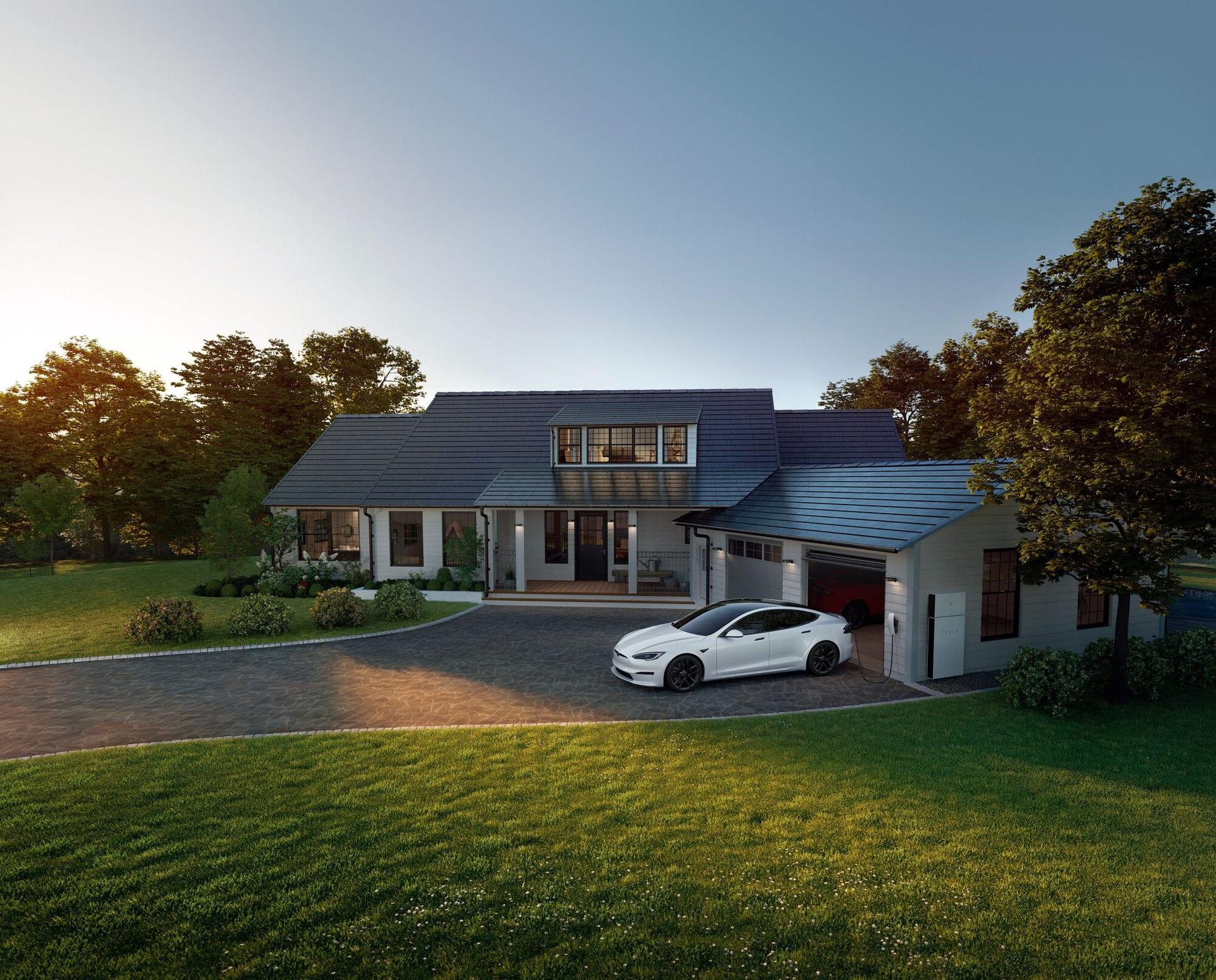
Pairing a Level 2 home EV charger with solar and a battery lets you charge your car on your own power instead of expensive grid electricity. In California, the value comes from charging on stored solar or off-peak hours and avoiding the 4–9 PM peak. Adding an EV charger often means checking your electrical panel's capacity.
By Vinnie Curcie, Founder & CEO, OC Solar
Level 2 charging is the home standard
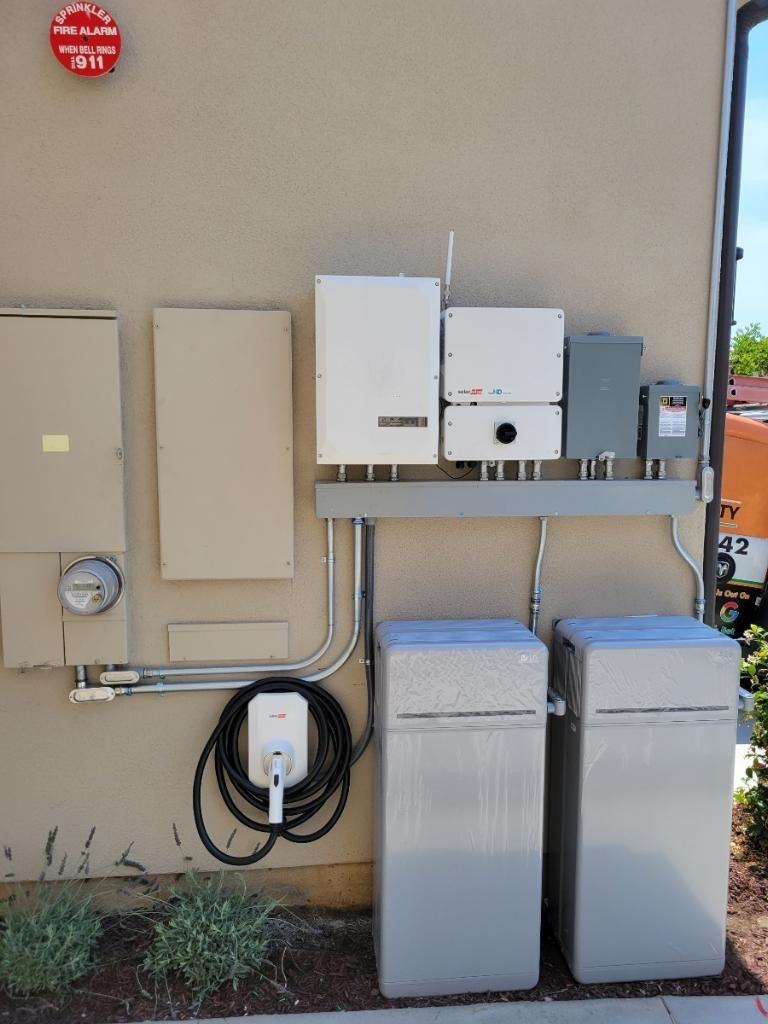
Most home EV charging uses a Level 2 charger, which runs on a 240-volt circuit (like a dryer or oven) and adds many more miles per hour than a standard Level 1 wall outlet. For daily driving, Level 2 is what lets you plug in overnight and wake up full. Installing one means running a dedicated 240V circuit from your electrical panel to where you park — which is where panel capacity becomes part of the conversation.
Why solar plus an EV is a natural pairing
An EV roughly increases a household's electricity use, which makes charging on grid power expensive in California — especially if you'd otherwise plug in during the 4–9 PM peak. Solar changes that: you generate your own power, and with a battery you can store daytime solar to charge the car later without paying peak rates. Done right, your 'fuel' shifts from the utility's most expensive electricity to power you produced yourself.
Charging strategy under NEM 3.0 and TOU
Under NEM 3.0 and time-of-use billing, when you charge matters as much as that you charge. The goal is to avoid pulling EV-sized loads from the grid during the expensive evening peak. That usually means charging from your battery (filled by midday solar) or scheduling charging for cheaper off-peak overnight hours. Most modern EVs and chargers let you set a charging schedule, and a well-designed solar-plus-battery system is sized with that EV load in mind.
Load and electrical panel considerations
Adding a Level 2 charger — sometimes alongside a battery and other new loads — can push the limits of an older electrical panel. Depending on your panel's size and existing loads, you may need a main-panel upgrade, a sub-panel, or load-management hardware that prevents the charger and other big appliances from drawing too much at once. Assessing this up front avoids surprises, and it's part of why handling solar, battery, and electrical under one roof keeps the project coordinated.
Sizing solar for an EV household
An EV is a meaningful new load, so a system designed for an EV household is generally larger and may pair with more battery capacity than one for a home without a car to charge. We factor your driving and charging habits into the design — array size, battery capacity, and charger placement — so the system actually covers the extra demand rather than leaving you topping up from the grid at peak prices. This complements our home EV charging service for customers who want the full solar-plus-charging setup.
FAQ
Yes. With solar and ideally a battery, you can charge your EV on your own power instead of grid electricity. The key is timing — charging from stored solar or during off-peak hours so you avoid California's expensive 4–9 PM peak.
Not strictly, but it helps a lot under NEM 3.0. Without a battery you'd often charge in the evening on expensive grid power, or charge midday only when you're not driving. A battery lets you store daytime solar and charge the car later without paying peak rates.
Sometimes. A Level 2 charger needs a dedicated 240V circuit, and combined with a battery and other loads it can exceed an older panel's capacity. Depending on your setup you may need a main-panel upgrade, a sub-panel, or load-management hardware — best assessed up front.
An EV is a significant added load, so an EV household typically needs a larger array and often more battery capacity than a home without one. We size the system to your actual driving and charging habits so it covers the extra demand instead of leaving you on grid power at peak.
Sources
- 1.IRS — Residential Clean Energy Credit (Section 25D) — Internal Revenue Service · accessed 2026-07
- 2.CPUC — Net Energy Metering and Net Billing — California Public Utilities Commission · accessed 2026-07
- 3.SCE — Time-of-Use Residential Rate Plans — Southern California Edison · accessed 2026-07
- 4.SCE — Electric Vehicle (EV) Rate Plans (TOU-D-PRIME) — Southern California Edison · accessed 2026-07
- 5.U.S. DOE Alternative Fuels Data Center — Charging Electric Vehicles at Home — U.S. Department of Energy · accessed 2026-07
- 6.U.S. DOE Alternative Fuels Data Center — Electric Vehicle Charging Stations (Charging Levels) — U.S. Department of Energy · accessed 2026-07
Incentives and rates change. This page is kept current — but always confirm specifics for your home.
Get a free, honest estimate →