
Published May 30, 2026 · Updated September 15, 2026 · 9 min read
The short answer
Southern California Edison's peak hours fall in the evening — 4–9 PM on TOU-D-4-9PM and TOU-D-PRIME, or 5–8 PM on TOU-D-5-8PM — when power costs the most and panels produce little. A solar-plus-battery system stores cheap midday solar and discharges it during that SCE peak, so you skip your highest-cost grid power under NEM 3.0.
By OC Solar
What are SCE's (Edison's) peak hours?
Southern California Edison's peak hours are 4–9 PM on its two most common residential plans (TOU-D-4-9PM and the EV/battery-oriented TOU-D-PRIME) and 5–8 PM on TOU-D-5-8PM. On the weekday plans, the full on-peak price applies on summer weekdays; on summer weekends the same evening window is billed at a lower 'mid-peak' rate — cheaper than the weekday peak, but still above off-peak. TOU-D-PRIME charges its peak rate every day in summer.
In winter (October–May) the pattern shifts: the 4–9 PM window drops to a mid-peak price every day, and SCE adds a 'super off-peak' period from 8 AM to 4 PM — the cheapest electricity of the day, priced low because midday solar floods the grid. Everything else, including overnight, is off-peak.
That schedule is exactly backwards from how a home uses power: panels produce midday when rates are lowest, and the peak hits after sunset. A battery closes the gap — it banks cheap midday solar and spends it during the SCE peak, so you avoid Southern California Edison's priciest power. Here are the current SCE residential TOU windows at a glance.
Edison and SCE are the same utility — Southern California Edison — so peak hours for Edison are these same 4–9 PM and 5–8 PM evening windows, whichever TOU plan your bill shows.
| SCE TOU plan | Summer peak (Jun–Sep) | Summer weekends | Winter (Oct–May) |
|---|---|---|---|
| TOU-D-4-9PM | 4–9 PM weekdays (on-peak) | 4–9 PM at a lower mid-peak rate; all other weekend hours off-peak | Mid-peak 4–9 PM daily; super off-peak 8 AM–4 PM; off-peak overnight |
| TOU-D-5-8PM | 5–8 PM weekdays (on-peak) | 5–8 PM at mid-peak; all other weekend hours off-peak | Same pattern around the 5–8 PM window, with daytime super off-peak |
| TOU-D-PRIME | 4–9 PM every day (on-peak) | Peak still applies 4–9 PM | Mid-peak 4–9 PM daily; cheaper all remaining hours |
Windows per SCE's published residential TOU plans, verified July 2026 (see Sources). Exact prices in ¢/kWh change with each rate filing and by plan — confirm current rates for your plan on sce.com.
SCE vs. SDG&E vs. PG&E: peak hours compared
All three of California's big investor-owned utilities put their most expensive hours in the same evening block. SCE peaks 4–9 PM (or 5–8 PM on one plan), SDG&E peaks 4–9 PM every day of the week, and PG&E peaks 4–9 PM every day on its standard TOU plan (E-TOU-C) or 5–8 PM weekdays only (E-TOU-D). The cheapest hours differ more than the peaks do: SDG&E's 'super off-peak' runs overnight and, on weekdays, 10 AM–2 PM, while SCE's cheapest window is winter daytime.
| Utility | Standard TOU peak window | Cheapest hours | Summer season |
|---|---|---|---|
| SCE (Southern California Edison) | 4–9 PM weekdays (TOU-D-4-9PM) or 5–8 PM weekdays (TOU-D-5-8PM); TOU-D-PRIME peaks 4–9 PM every day | Off-peak overnight and midday; winter super off-peak 8 AM–4 PM | June–September |
| SDG&E (San Diego Gas & Electric) | 4–9 PM every day — weekends and holidays included | Super off-peak midnight–6 AM weekdays, midnight–2 PM weekends/holidays, plus 10 AM–2 PM weekdays year-round (expanded May 2026) | June–October |
| PG&E (Pacific Gas and Electric) | 4–9 PM every day (E-TOU-C) or 5–8 PM weekdays (E-TOU-D; weekends off-peak) | All hours outside the evening peak — cheapest overnight | June–September |
Windows per each utility's published residential TOU plans, verified July 2026 (see Sources). Prices in ¢/kWh change with each rate filing — confirm your exact plan on your utility's site before scheduling around it.
When are peak hours for electricity in California?
If you just need the number: peak hours for electricity in California are in the early evening — 4–9 PM on the standard time-of-use plans from all three investor-owned utilities. The variants are narrow: SCE's TOU-D-5-8PM and PG&E's E-TOU-D peak 5–8 PM instead. If you don't know your exact plan, treating 4–9 PM as the expensive window is the right assumption for the vast majority of Southern California households.
Off-peak electricity hours are the mirror image — overnight and, increasingly, midday. Off-peak starts at 9 PM on SCE's most common plan and runs to 4 PM the next day, and both SCE and SDG&E now price parts of the daytime below the night because midday solar floods the grid. The comparison table above shows each utility's exact windows.
Is electricity cheaper at night in California?
Yes. On every major California time-of-use plan, overnight electricity costs less than the 4–9 PM evening peak. SCE's off-peak begins at 9 PM on its most common plan, SDG&E's cheapest 'super off-peak' pricing runs midnight to 6 AM on weekdays, and PG&E's standard plan is off-peak from 9 PM until 4 PM the next day.
But night is no longer always the cheapest time. California's grid now carries so much midday solar that utilities price parts of the day below the night: SCE's winter super off-peak runs 8 AM–4 PM, and in May 2026 SDG&E made its 10 AM–2 PM weekday super off-peak window year-round. Overnight or midday both work for heavy loads — the only consistently wrong time is 4–9 PM.
Are weekends off-peak?
Mostly — but not everywhere, and not entirely. On SCE's weekday plans (TOU-D-4-9PM and TOU-D-5-8PM), summer weekends never hit the full on-peak price: the evening window is billed at a lower mid-peak rate, and the rest of the weekend is off-peak. On PG&E's E-TOU-D, weekends are entirely off-peak.
SDG&E is the exception that surprises people: its residential TOU plans apply the 4–9 PM peak price every day — Saturdays, Sundays, and holidays included. The same goes for PG&E's standard E-TOU-C and SCE's TOU-D-PRIME. So don't assume weekend power is cheap by default; it depends on your specific plan.
What are SCE's off-peak hours?
SCE's off-peak hours are everything outside the evening window. On TOU-D-4-9PM, off-peak runs from 9 PM to 4 PM the next day; on TOU-D-5-8PM, from 8 PM to 5 PM. In winter (October–May), SCE goes further and prices 8 AM–4 PM as 'super off-peak' — the cheapest electricity it sells all year.
Weekends soften the peak but don't erase it: on the weekday plans, summer weekend evenings bill at a lower mid-peak rate instead of full on-peak, with all other weekend hours off-peak. TOU-D-PRIME is the exception — its 4–9 PM peak applies every day, weekends included.
| SCE plan | Off-peak hours | Winter super off-peak (Oct–May) | Summer weekend evenings |
|---|---|---|---|
| TOU-D-4-9PM | 9 PM–4 PM the next day | 8 AM–4 PM daily | 4–9 PM billed at mid-peak, not full peak |
| TOU-D-5-8PM | 8 PM–5 PM the next day | 8 AM–4 PM daily | 5–8 PM billed at mid-peak, not full peak |
| TOU-D-PRIME | All hours outside 4–9 PM | Cheaper all hours outside the 4–9 PM mid-peak | Peak still applies 4–9 PM |
Windows per SCE's published residential TOU plans, verified July 2026 (see Sources). Exact prices in ¢/kWh change with each rate filing — confirm current rates for your plan on sce.com.
Winter vs. summer TOU rates
The clock windows barely change with the seasons — the prices do. Summer is when peak power costs the most: SCE and PG&E define summer as June through September, and SDG&E stretches it from June through October. Winter peak prices are lower, and on SCE the 4–9 PM window softens to mid-peak with an 8 AM–4 PM super off-peak that makes winter daytime the cheapest grid power SCE sells.
For solar owners the seasons cut the other way: winter brings cheaper rates but shorter days and lower production, while summer brings peak production and peak prices at the same time. A system sized only for July overproduces in January for low NEM 3.0 export credits — which is why we size arrays and batteries to your full-year usage, not a single season.
The cheapest time to use electricity
The cheapest grid electricity in Southern California sits in the super off-peak and off-peak windows: overnight (SDG&E's midnight–6 AM on weekdays; SCE's off-peak from 9 PM) and, increasingly, midday (SCE's winter 8 AM–4 PM; SDG&E's 10 AM–2 PM weekdays). The most expensive time is always the same: 4–9 PM, when demand spikes just as solar fades.
Practical moves, in order of impact: charge the EV overnight or midday instead of at dinner time, move the pool pump schedule out of the evening, and run the dishwasher and laundry before 4 PM or after 9 PM. Those three cover most of what a household can shift by habit alone.
Solar with a battery ends the scheduling game entirely: the panels charge the battery on your own power at midday, and the battery carries the house through the expensive hours. That's the design we model in a free estimate — your actual rate plan, your usage, and a system that beats the peak you actually pay.
What time-of-use pricing means
On a time-of-use (TOU) rate plan, the price of a kilowatt-hour changes by time of day. California's investor-owned utilities — PG&E, SCE, and SDG&E — set their most expensive 'peak' window in the evening, commonly around 4–9 PM, with cheaper off-peak rates overnight and midday. The catch: peak is exactly when the sun is low and your panels produce the least.
Why TOU plus NEM 3.0 makes a battery essential
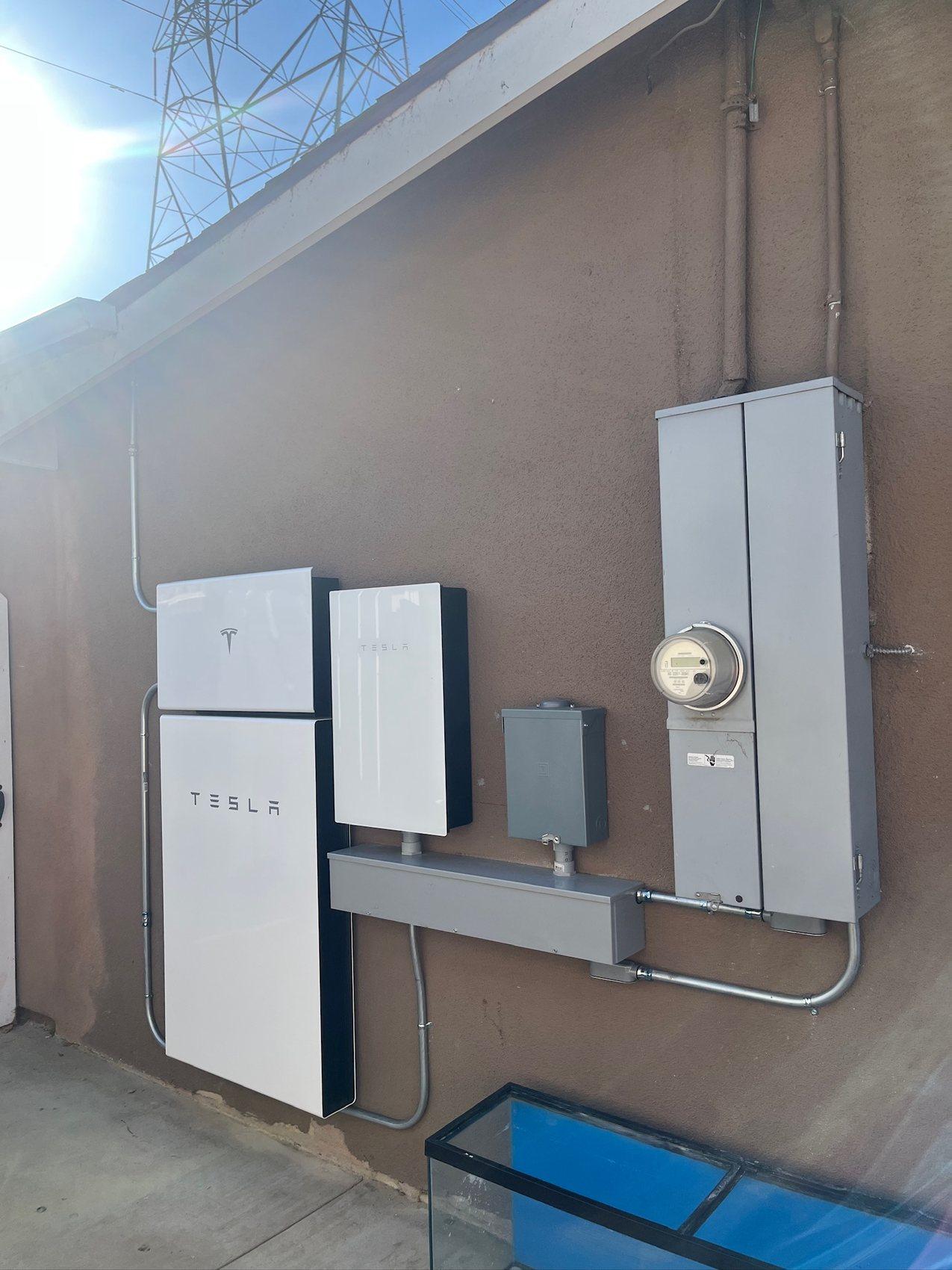
TOU and NEM 3.0 compound each other. Daytime solar you export earns a low credit, while evening power you buy costs the most. A battery bridges that gap: it banks your midday solar and releases it during the 4–9 PM peak so you're not buying expensive grid energy when you cook dinner, run the AC, and charge the car. New to the term? Our short explainer on what net energy metering (NEM) is walks through NEM 1.0, 2.0, and 3.0 before you get into the rate-plan details.
A day in the life of a well-designed system
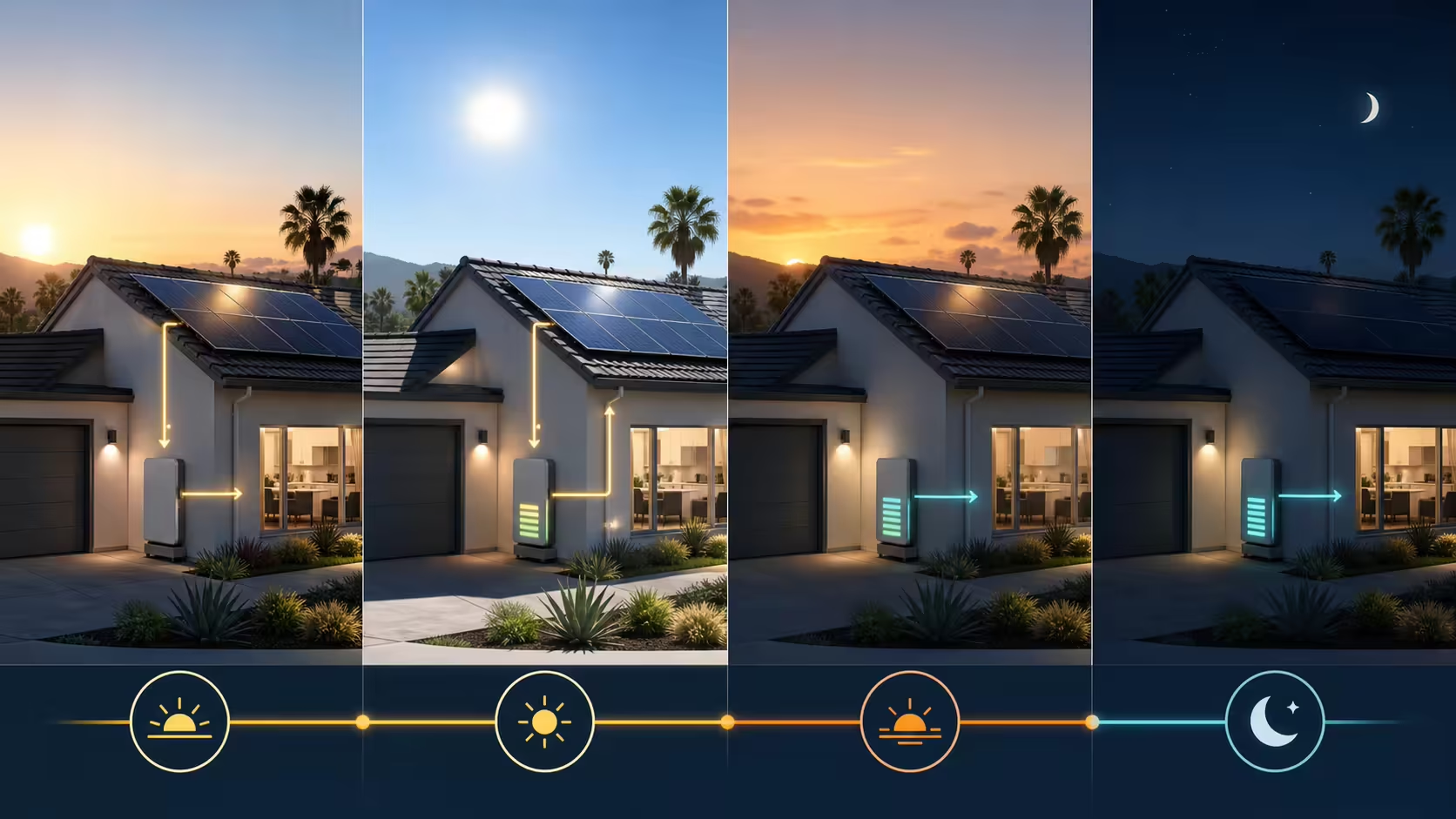
Morning: your panels wake up and start covering the house. Midday: panels overproduce, topping off your battery. Late afternoon into evening: the 4–9 PM peak hits, the battery discharges to power your home, and you draw little or nothing from the grid at its priciest. Overnight: if needed, you backfill from cheaper off-peak rates. That daily rhythm is what produces real savings under current rules.
Do SCE peak hours change in Orange County?
No. SCE sets peak windows by rate plan, not by city — an SCE customer in Orange County has the same 4–9 PM (or 5–8 PM) peak as one anywhere else in Edison's service territory. If your bill says Southern California Edison, the windows in this guide are yours.
The one local exception is the city of Anaheim, which is served by Anaheim Public Utilities — a municipal utility that sets its own rates and isn't bound by SCE's TOU schedule. We design to whichever utility actually serves your address, which is one of the first things we check in a free estimate.
Designing for your specific rate and usage
Different TOU plans have different peak windows and price spreads, and your savings depend on matching the system to your plan and habits — when you're home, your EV charging schedule, AC use. We read your utility bill and usage data to size the array and battery for your actual rate plan, rather than a generic template, so the system is tuned to beat the peak you actually pay.
Wondering how the monthly payment compares to the bill it replaces? See our solar and battery financing options.
Battery arbitrage: shifting the duck curve to your advantage (2026)
Arbitrage is a finance word for a simple habit: buy when something is cheap, use it when it is expensive. On a California time-of-use plan a home battery does exactly that with electricity — it fills up on midday power that is worth little and spends it during the evening window when grid power costs the most. Every peak window on this page is a window a battery can cover: SCE's 4–9 PM (TOU-D-4-9PM and TOU-D-PRIME) or 5–8 PM (TOU-D-5-8PM), SDG&E's 4–9 PM every day, and PG&E's 4–9 PM daily on E-TOU-C or 5–8 PM weekdays on E-TOU-D. The size of the price gap between midday and evening on your plan is what sets the savings.
What the duck curve is. Plot California's grid demand minus solar output across one day and the line looks like a duck: a sagging belly in the middle of the day, when rooftop and utility-scale panels flood the grid with more power than it needs, then a steep neck and head after 4 PM as the sun drops and people come home. The California Independent System Operator (CAISO), which runs the state's grid, gave the shape its name, and it explains nearly every rule on this page. Midday power is so plentiful that SCE prices winter daytime (8 AM–4 PM) at super off-peak and SDG&E now prices 10 AM–2 PM weekdays at super off-peak year-round; the 4–9 PM ramp is scarce and expensive, so that is where all three utilities put their peak. Under NEM 3.0 the same shape sets your export credits: solar sent to the grid at noon earns a low avoided-cost credit because the grid is already full, while the few kilowatt-hours the grid genuinely wants land on summer evenings.
A battery flips the duck in your favor. From late morning through mid-afternoon your panels usually make more than the house is using; instead of exporting that surplus for a low credit, the battery absorbs it. At 4 PM — or 5 PM on a 5–8 PM plan — the battery starts discharging and carries the house through the peak: dinner, lights, the AC still running in inland Orange County, an EV plugged in at 6 PM. By 9 PM the peak is over and whatever the house still needs comes from the grid at off-peak prices. If a cloudy day leaves the battery short, some systems can be set to top up from the grid during the cheap window (SCE's winter 8 AM–4 PM super off-peak, SDG&E's 10 AM–2 PM weekday super off-peak) so the evening is still covered. How many kilowatt-hours the battery needs to hold is the sizing question, worked through step by step in our home battery sizing guide.
A plain worked example, in kilowatt-hours rather than cents, because prices change with every rate filing. Take an SCE home on TOU-D-4-9PM whose hourly usage data shows 5.5 kWh of consumption between 4 and 9 PM — the same example home used in our sizing guide. On a summer weekday the panels bank that 5.5 kWh into the battery before 3 PM, and from 4 to 9 PM the house runs on the battery instead of buying 5.5 kWh at the on-peak price. On a summer weekend the same shift happens against SCE's lower mid-peak price, and in winter against the winter mid-peak price, so the same hardware earns less per evening as the seasons change. The same home on SDG&E's TOU-DR1 shifts the same 5.5 kWh but does it seven evenings a week, because SDG&E's 4–9 PM peak applies on weekends and holidays too. On PG&E's E-TOU-C the peak is also every day; on E-TOU-D it is 5–8 PM on weekdays only, so the battery covers three hours instead of five. To turn any of those into dollars, multiply the kilowatt-hours you shift by the gap between your plan's peak and off-peak prices, then by the number of peak days in the month — our TOU bill-shift estimator does that arithmetic from the prices printed on your own bill, and the result is a projection for your usage, not a guarantee.
There is a second, smaller lever: export timing. NEM 3.0 export credits are not one flat number — they follow an hourly avoided-cost schedule that is lowest in the middle of a spring day and highest on a handful of summer evenings, when the grid is on the steep part of the duck. A battery with time-based controls can hold its charge through the afternoon and export what the house does not need during that evening window, earning the higher credit. For most Southern California homes this is a bonus on top of self-consumption rather than the main event: the reliable value is not buying peak power at all, and the export credit is a projection that depends on the hour, the season, and the utility's schedule. The table below puts the three strategies side by side.
Which strategy pencils depends on your rate plan, your evening usage, and what the hardware costs — compare the battery platforms we install on our battery storage page, and see how the array side is priced in our solar cost per watt guide for California. Bring a recent bill to a free estimate and we will model the peak-window shift for your actual plan, with every savings figure shown as a projection.
| Strategy | What happens 4–9 PM | Who it fits |
|---|---|---|
| Solar only, no battery | Panels taper off after 4 PM and the house buys most of its evening power from the grid at the peak price; the midday surplus was exported earlier for a low NEM 3.0 credit | Homes grandfathered on NEM 2.0 terms, homes with very low evening usage, or LADWP customers whose municipal rates sit outside NEM 3.0 so backup value, not peak arbitrage, drives the battery decision |
| Battery, self-consumption | The battery, charged on midday solar, powers the house through the whole peak window; grid imports at the peak price fall to near zero on a normal day | Most SCE, SDG&E, and PG&E homes interconnected under NEM 3.0 — the standard design |
| Battery plus export timing | The battery covers the house and also exports its surplus to the grid during the evening hours when NEM 3.0 export credits are highest | Homes with a battery and array larger than their evening usage, hardware with time-based controls, and owners willing to tune settings by season |
Peak windows per each utility's published residential TOU plans (see Sources); NEM 3.0 export credits follow the CPUC avoided-cost calculator and vary by hour and season. Savings from any strategy are projections that depend on your rate plan, usage, and system size — model them on your own bill before deciding on hardware.
FAQ
It's a utility pricing structure where electricity costs more at certain times of day. California's big utilities set their most expensive peak window in the evening, commonly 4–9 PM, with cheaper rates overnight and midday.
Demand is highest in the evening as people get home, while solar production drops as the sun sets — so the grid is most strained. Utilities price that peak window highest to reflect the strain.
A battery stores your cheap midday solar and discharges it during the expensive 4–9 PM peak, so you avoid buying your highest-cost grid power. That daily shift is the main way solar saves money under NEM 3.0.
Southern California Edison's peak hours are in the evening. On the TOU-D-4-9PM and TOU-D-PRIME plans, peak is 4–9 PM; on TOU-D-5-8PM it's 5–8 PM. These are the highest-priced hours, mainly on summer weekdays, when grid demand is high and solar output is low.
On Southern California Edison's TOU plans, off-peak is essentially everything outside the evening window — overnight and midday. On TOU-D-4-9PM, off-peak runs 9 PM to 4 PM the next day; on TOU-D-5-8PM, 8 PM to 5 PM. Summer weekends are off-peak too, except the evening window itself, which is billed at a lower mid-peak rate. In winter, 8 AM–4 PM is 'super off-peak' — SCE's cheapest hours of the day.
Southern California Edison's main residential time-of-use plans are TOU-D-4-9PM (peak 4–9 PM), TOU-D-5-8PM (peak 5–8 PM), and TOU-D-PRIME (peak 4–9 PM, geared to homes with EVs, heat pumps, or batteries). Each charges the most during its evening peak window and less off-peak.
SCE's peak period is the evening block when electricity is priciest — 4–9 PM on TOU-D-4-9PM and TOU-D-PRIME, or 5–8 PM on TOU-D-5-8PM. On the 4-9PM and 5-8PM plans, peak applies on summer weekdays; PRIME applies peak every day. Off-peak covers the remaining hours.
A battery charges on your cheap midday solar and discharges during SCE's 4–9 PM (or 5–8 PM) peak, so you stop buying Southern California Edison's most expensive evening power. Under NEM 3.0, where export credits are low, that daily shift is where solar savings come from.
Yes — on every major California TOU plan, overnight power costs less than the 4–9 PM peak. SCE's off-peak starts at 9 PM on its most common plan, and SDG&E's cheapest super off-peak pricing runs midnight to 6 AM on weekdays. Midday can be just as cheap, though: SCE prices winter daytime (8 AM–4 PM) at super off-peak, and SDG&E's 10 AM–2 PM weekday super off-peak window now applies year-round.
It depends on the utility and plan. On SCE's weekday plans, summer weekends skip the full peak price — the 4–9 PM (or 5–8 PM) window is billed at a lower mid-peak rate and the rest is off-peak. But SDG&E applies its 4–9 PM peak every day including weekends and holidays, as do PG&E's E-TOU-C and SCE's TOU-D-PRIME. PG&E's E-TOU-D is the one common plan with fully off-peak weekends.
SDG&E's on-peak hours are 4–9 PM every day of the week, including weekends and holidays. Its cheapest 'super off-peak' hours run midnight–6 AM on weekdays, midnight–2 PM on weekends and holidays, and 10 AM–2 PM on weekdays year-round following SDG&E's May 2026 expansion. Summer pricing applies June through October.
On PG&E's standard TOU plan (E-TOU-C), peak is 4–9 PM every day; on E-TOU-D it's 5–8 PM on weekdays only, with weekends off-peak. Summer prices, the highest of the year, run June through September. Everything outside the evening window is off-peak, with overnight the cheapest.
The hours mostly stay the same; the prices change. Summer (June–September for SCE and PG&E, June–October for SDG&E) carries the highest peak prices. In winter, SCE softens its 4–9 PM window to a mid-peak price and adds an 8 AM–4 PM super off-peak — the cheapest power it sells — because midday solar floods the grid.
Overnight and midday. The cheapest windows are SDG&E's super off-peak (midnight–6 AM weekdays, plus 10 AM–2 PM weekdays) and SCE's winter super off-peak (8 AM–4 PM), with overnight off-peak close behind on every plan. The most expensive time is always 4–9 PM — shift EV charging, pool pumps, and laundry out of that window, or cover it with a battery charged by your own solar.
Early evening. All three of California's big investor-owned utilities set peak at 4–9 PM on their standard time-of-use plans, with 5–8 PM variants on SCE's TOU-D-5-8PM and PG&E's E-TOU-D. Off-peak covers overnight and most of the daytime, and parts of midday are now the cheapest hours of all.
On SCE's TOU-D-4-9PM and TOU-D-5-8PM plans, summer weekend evenings are billed at a lower mid-peak rate — never the full weekday peak — and every other weekend hour is off-peak. In winter, weekends follow the same schedule as weekdays, including the 8 AM–4 PM super off-peak. Only TOU-D-PRIME charges its full peak rate on weekends.
Yes — SCE's peak windows apply across its whole service territory, so Orange County homes see the same 4–9 PM (or 5–8 PM) windows as the rest of Southern California. The exception is the city of Anaheim, served by the municipal Anaheim Public Utilities, which sets its own rates.
Peak hours for Edison — Southern California Edison, or SCE — are 4–9 PM on TOU-D-4-9PM and TOU-D-PRIME, or 5–8 PM on TOU-D-5-8PM. The plan-by-plan windows, including winter and weekend treatment, are broken down above.
Yes — that is the main job of a home battery on a California time-of-use plan. It charges on your midday solar (or, on some systems, on cheap super off-peak grid power) and discharges through the peak window, so the house buys little or no grid power at the highest price. The windows it needs to cover are SCE's 4–9 PM (TOU-D-4-9PM and TOU-D-PRIME) or 5–8 PM (TOU-D-5-8PM), SDG&E's 4–9 PM every day including weekends, and PG&E's 4–9 PM daily on E-TOU-C or 5–8 PM weekdays on E-TOU-D. To avoid the peak completely the battery has to hold at least your average usage in that window — for many homes that is a single 13.5–15 kWh unit, while evening AC or EV charging can push the design to two. The savings are a projection that depends on your plan's peak-versus-off-peak price gap and your usage; our TOU bill-shift estimator runs the math from your own bill.
The duck curve is the shape of California's net electricity demand — total demand minus solar output — over a single day. It sags in the middle of the day when solar floods the grid (the belly), then rises steeply after about 4 PM as the sun sets and people come home (the neck and head). The California Independent System Operator (CAISO), which runs the state's grid, gave it the name. It is the reason every major California utility puts its peak price at 4–9 PM, why SCE and SDG&E now price parts of the daytime at super off-peak, and why NEM 3.0 pays little for midday solar exports. A home battery works by moving energy from the belly of the duck to its neck — charging at midday and discharging into the evening peak.
Sources
- 1.SCE — Residential rate plans — Southern California Edison · accessed 2026-07
- 2.SDG&E — Pricing plans — San Diego Gas & Electric · accessed 2026-07
- 3.SCE — Time-of-Use residential rate plans (TOU-D-4-9PM, TOU-D-5-8PM, TOU-D-PRIME) — Southern California Edison · accessed 2026-07
- 4.SDG&E — Extended super off-peak hours — San Diego Gas & Electric · accessed 2026-07
- 5.PG&E — Time-of-use rate plans (E-TOU-C, E-TOU-D) — Pacific Gas and Electric Company · accessed 2026-07
- 6.CPUC — Net Energy Metering Revisit (NEM 3.0 / Net Billing Tariff) — California Public Utilities Commission · accessed 2026-07
- 7.CAISO — The duck curve and managing the evolving grid — California Independent System Operator · accessed 2026-09
Start with your address, compare an estimated system price, and choose an available site survey online. Our team is available when you want help.
Start my solar + battery estimate →