
Consult-first, never templated
Every commercial site is different. We start by understanding your usage, rate schedule, and roof or land before designing anything.
Tesla Powerwall Premier Certified· BBB A+· Google 4.8★ (400+)· CSLB #1023627
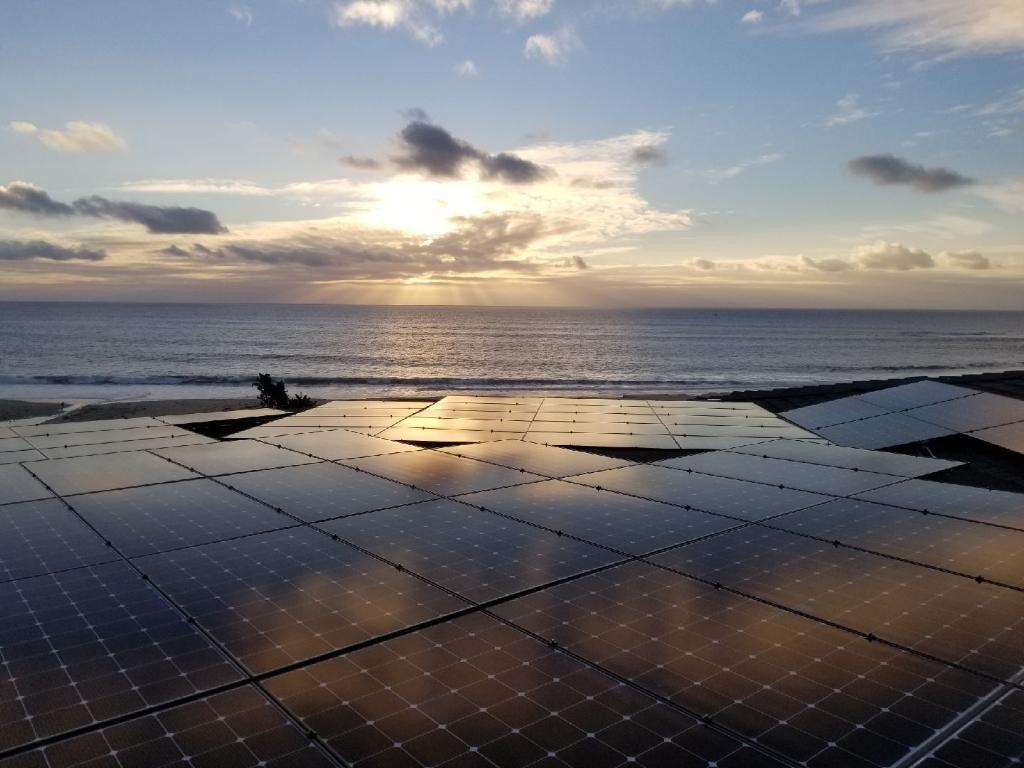
Commercial & Multifamily
Demand charges mean your worst fifteen minutes set the whole month's bill, and a template system won't touch them. We start with your usage, your rate schedule, your roof or land, and your goals — then design solar and storage around the peaks that actually cost you. OC Solar has completed both residential and commercial installations since 2016.
Commercial, multifamily, and agricultural solar is consult-driven and scoped per project — system size, financing, incentives, and timelines vary widely by site and rate schedule. Figures and incentive availability are confirmed for your specific project during the consultation; nothing here is a quote or a guarantee.
1Your situation
Demand charges mean your worst fifteen minutes set the whole month's bill.
2What changes
Solar and storage designed around the peaks that actually cost you, with the utility paperwork handled.
3How we do it
Rate-schedule and load modeling first, then a system sized to your building and its interconnection — not a template.
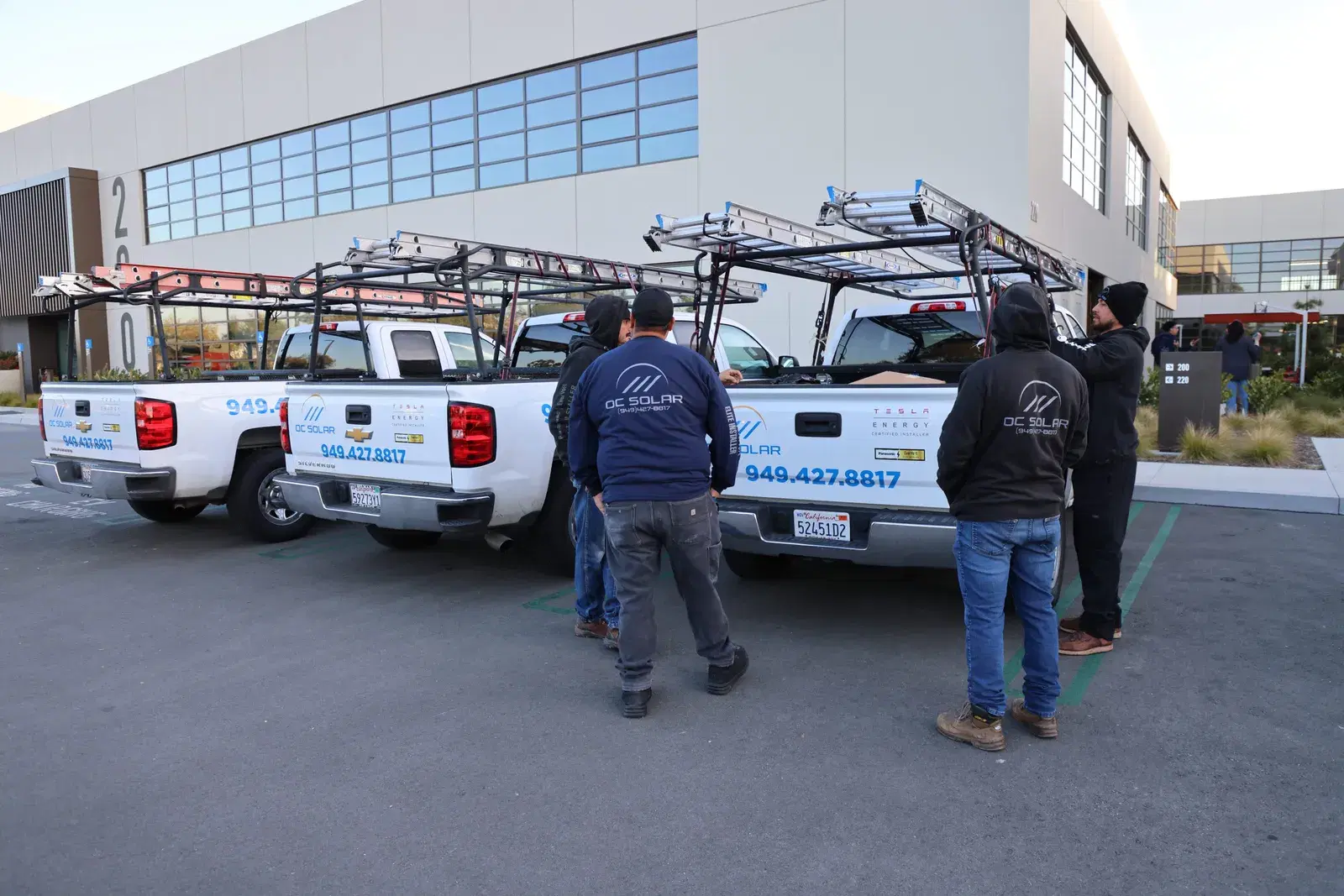
Every commercial site is different. We start by understanding your usage, rate schedule, and roof or land before designing anything.
For many businesses the savings come from cutting demand charges and shifting load — which is why we design storage in from the start.
The same CSLB-licensed company (#1023627) that has installed since 2016, with in-house crews — not a brokered hand-off.
Multifamily, commercial, and agricultural owners get one accountable point of contact from consultation through power-on.
Start with the operating reality
A useful commercial review starts before equipment is selected. We organize the property's energy use, physical constraints, and decision requirements so the first recommendation answers the right problem.
You do not need a finished specification to begin. Recent bills, the service address, and a short description of the property are enough for an initial conversation.
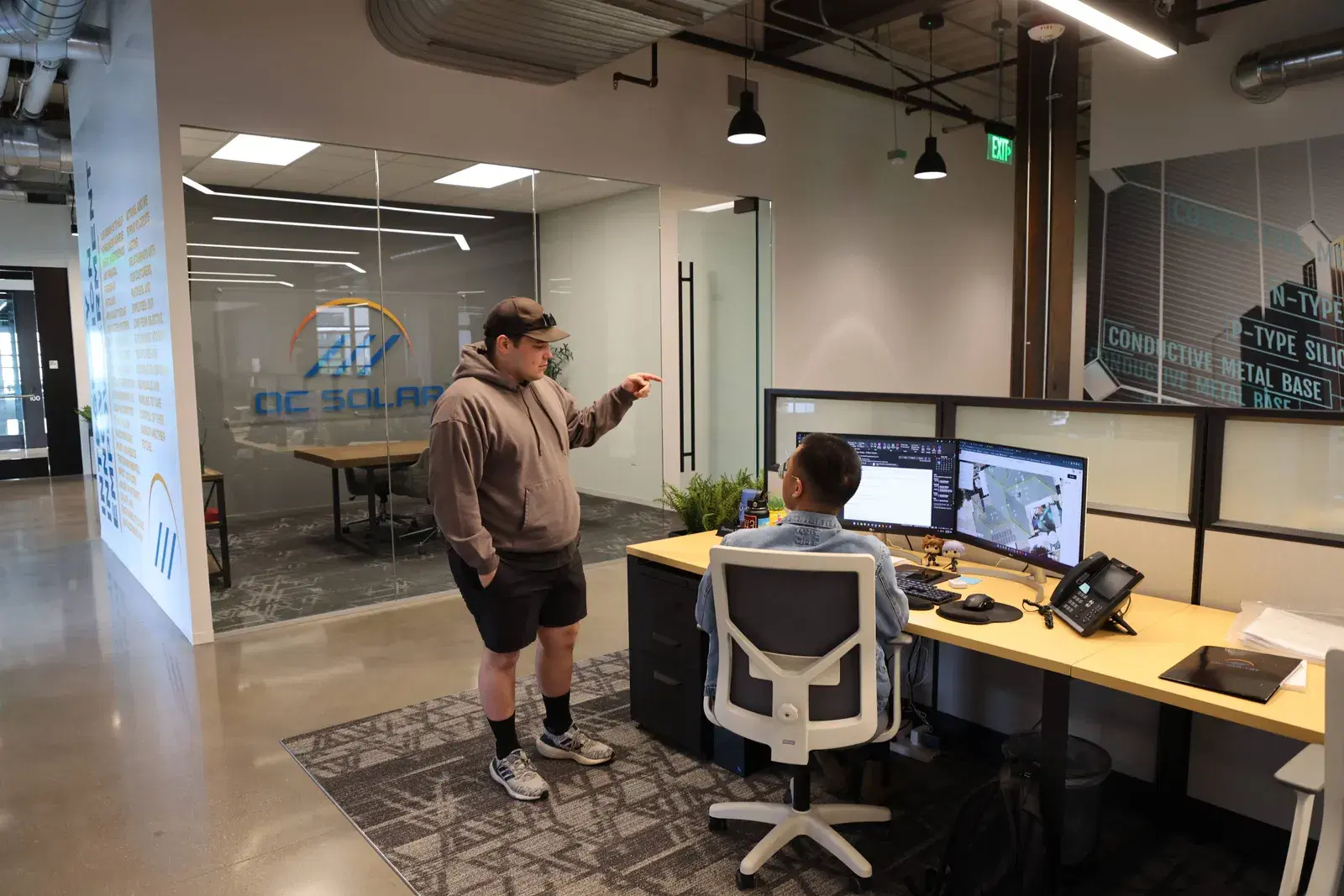
Recent bills and the utility rate schedule establish the starting point. Interval data, when available, shows when the property actually uses power.
Business hours, seasonal peaks, planned equipment, fleet charging, pumps, and common-area loads help explain what the next system must support.
Roof plans, available land or parking, electrical service details, access constraints, and known roof work help define what is practical to study.
Ownership structure, stakeholders, procurement requirements, and the preferred decision window keep the review aligned with the organization—not just the meter.
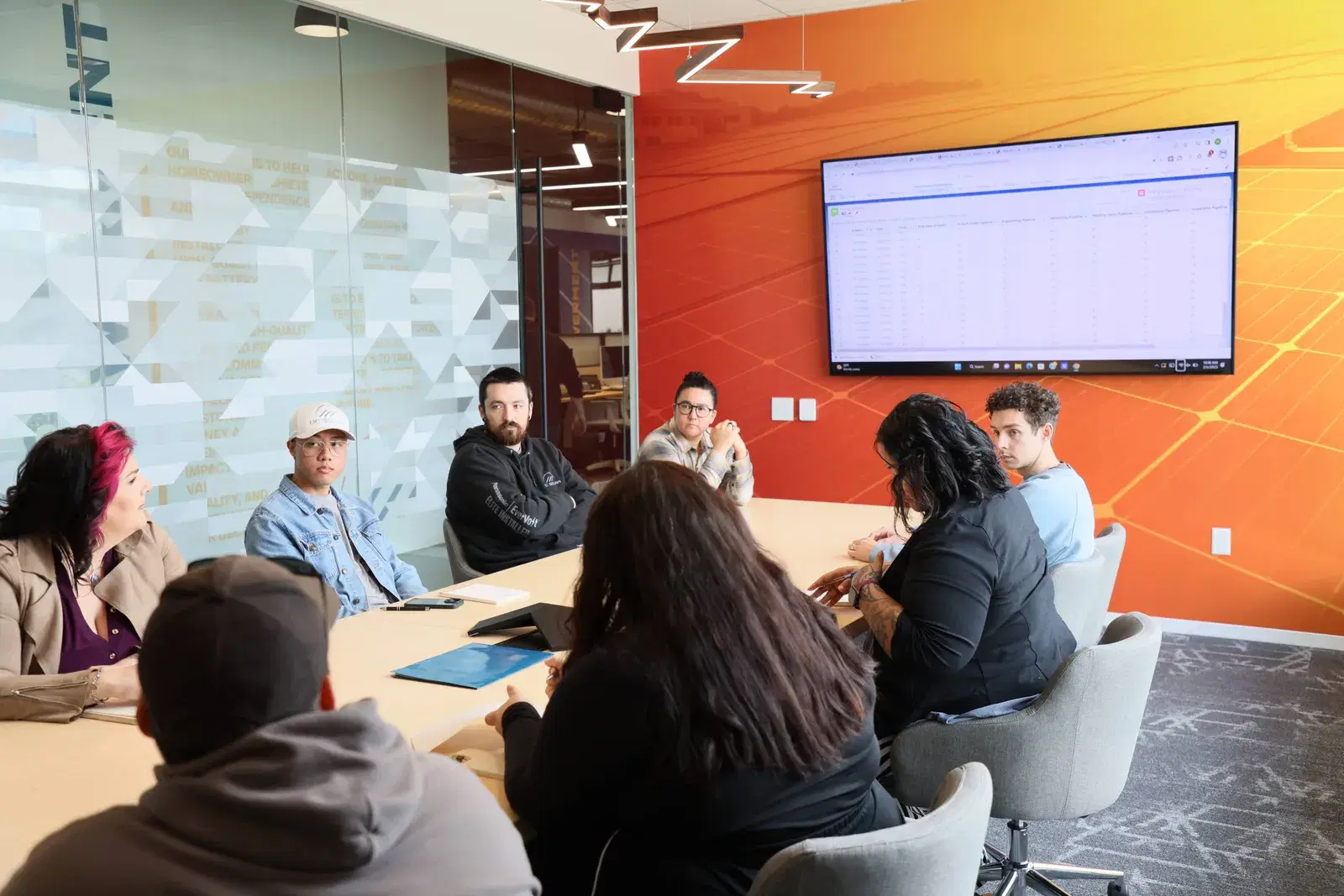
One decision sequence
Commercial projects have more variables than a residential quote form can capture. The review moves from the account and operating load to the site, the relevant options, and a realistic delivery path.
The review begins with usage timing, tariff details, and the loads that matter most to the operation. That keeps the conversation tied to the actual account.
Roof geometry and condition, shade, land or parking options, electrical equipment, and access are reviewed before a system direction is selected.
Solar, storage, load management, and future electrical needs are considered as parts of one site plan. Only relevant options move into the proposed scope.
A viable concept still needs a clear route through engineering, utility and permitting requirements, construction coordination, commissioning, and handoff.
Equipment comes after project fit. When you are ready to compare the hardware context, review OC Solar's solar and storage product families →
Different properties, different constraints
These are planning paths, not template packages. The account, site, ownership structure, and operating needs determine which questions matter for each property.
Connect the energy plan to operating hours, critical loads, planned equipment, parking, and the way the business expects the property to change.
Separate common-area loads, unit metering, shared equipment, parking, and ownership responsibilities before choosing the right project boundary.
Account for wells, pumping, refrigeration, processing, seasonal demand, available structures or land, and the operating calendar of the property.
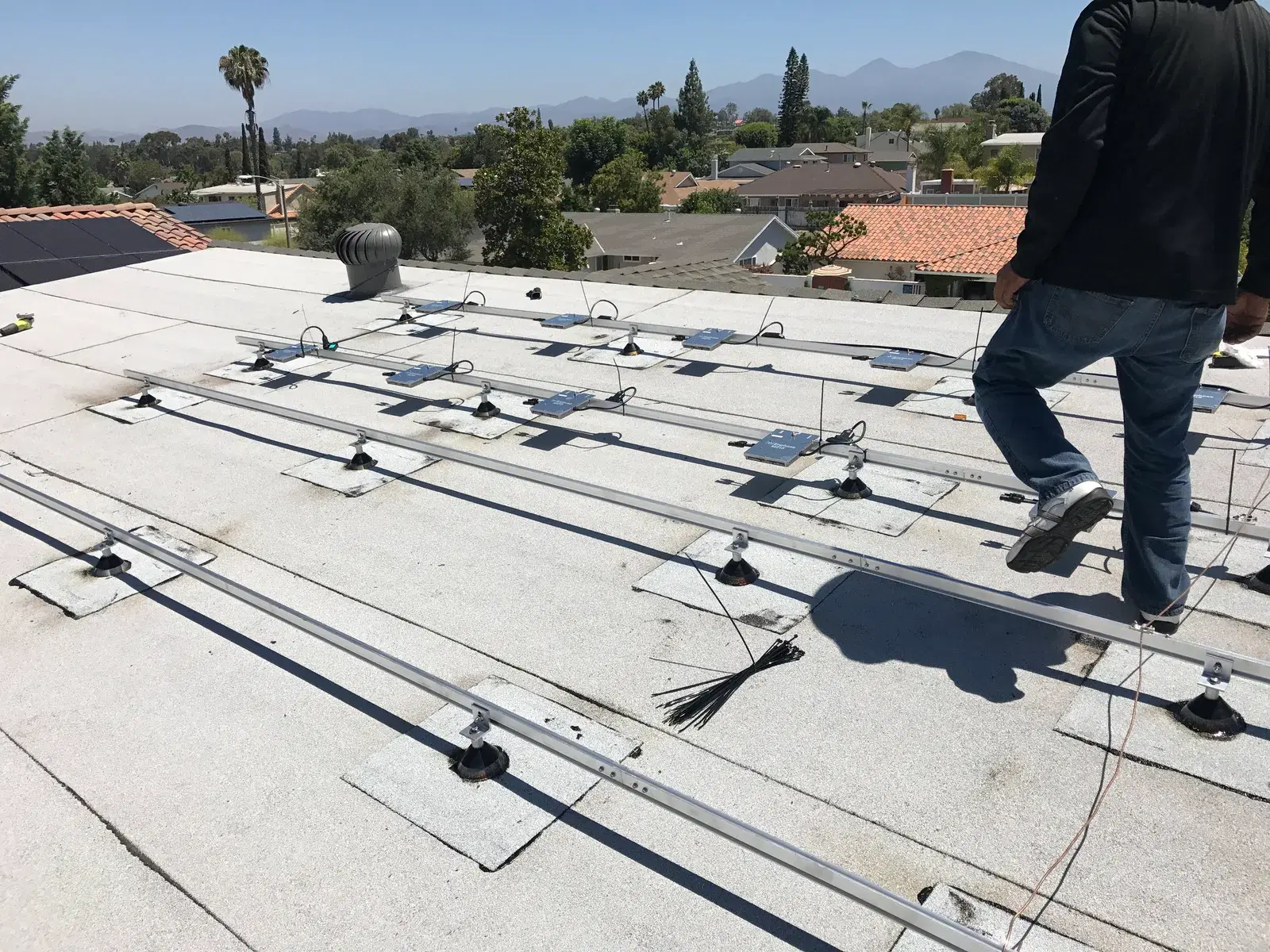
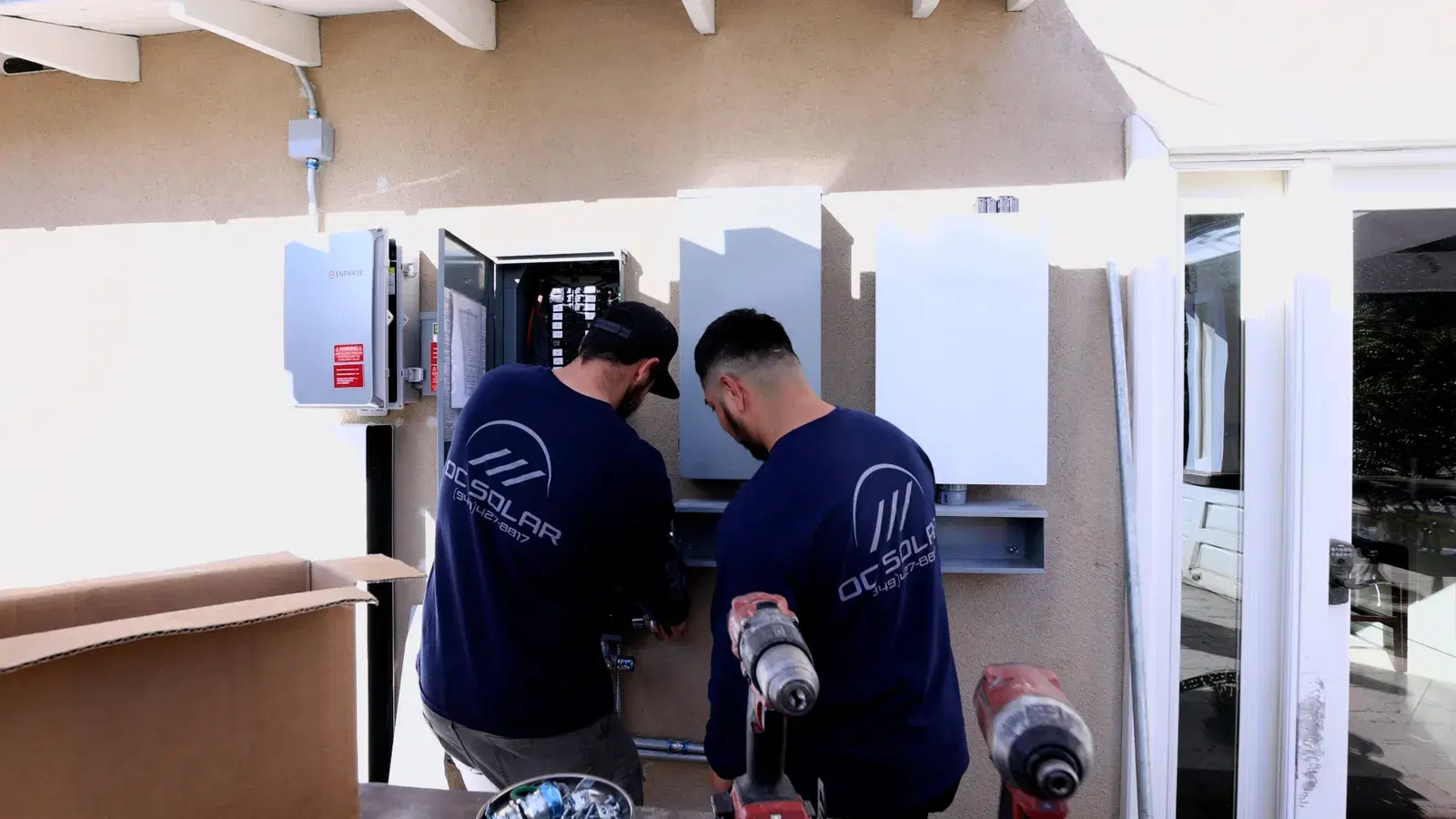
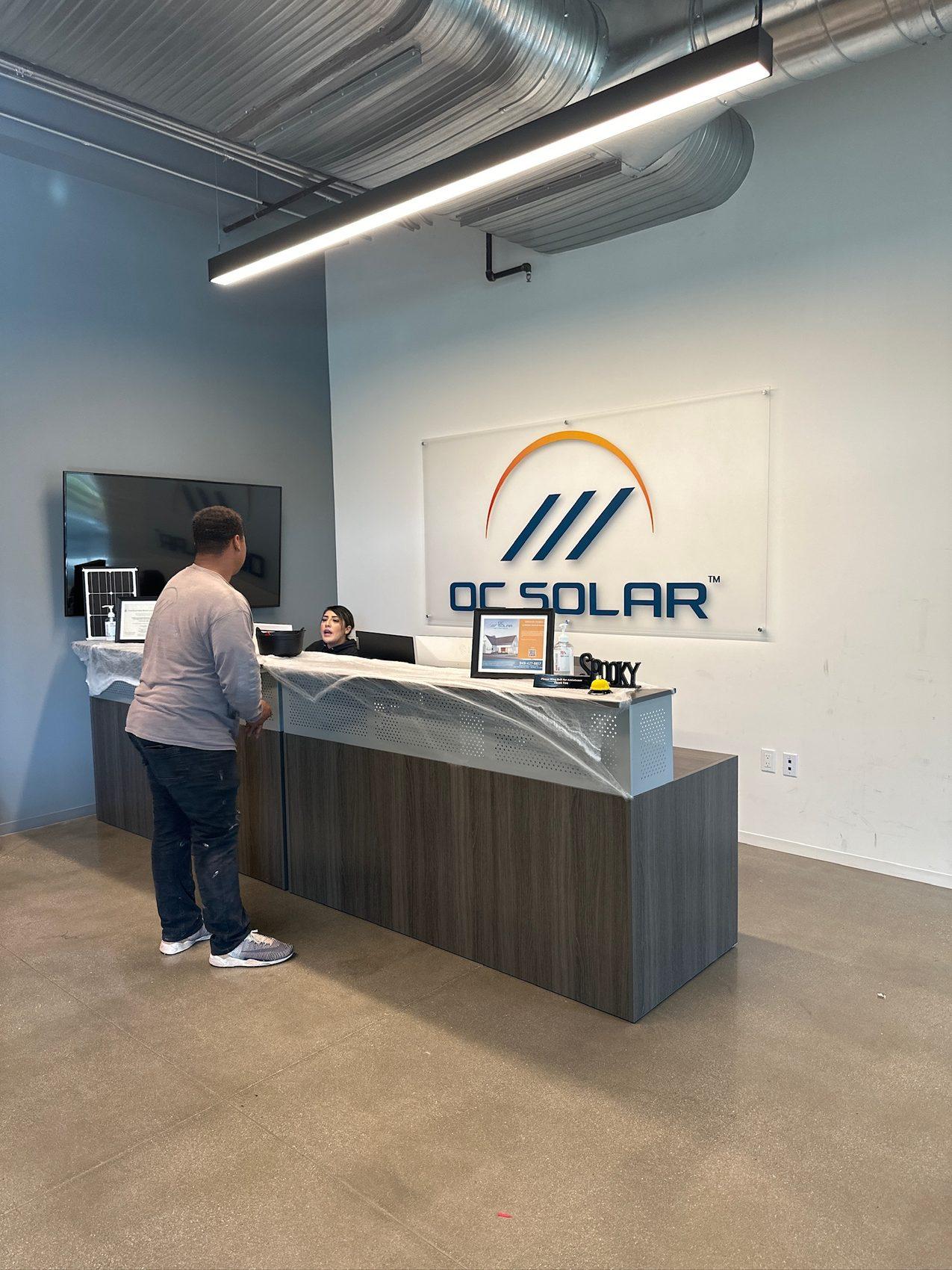
Process photography shows OC Solar field work and planning capability. These images are not presented as commercial-property case studies; project-specific proof is published only when the property data, media, and permission are verified.
Start with a site review
Share the service address and a recent bill if it is available. An OC Solar advisor can then identify the next useful inputs and whether the property is ready for a deeper review.
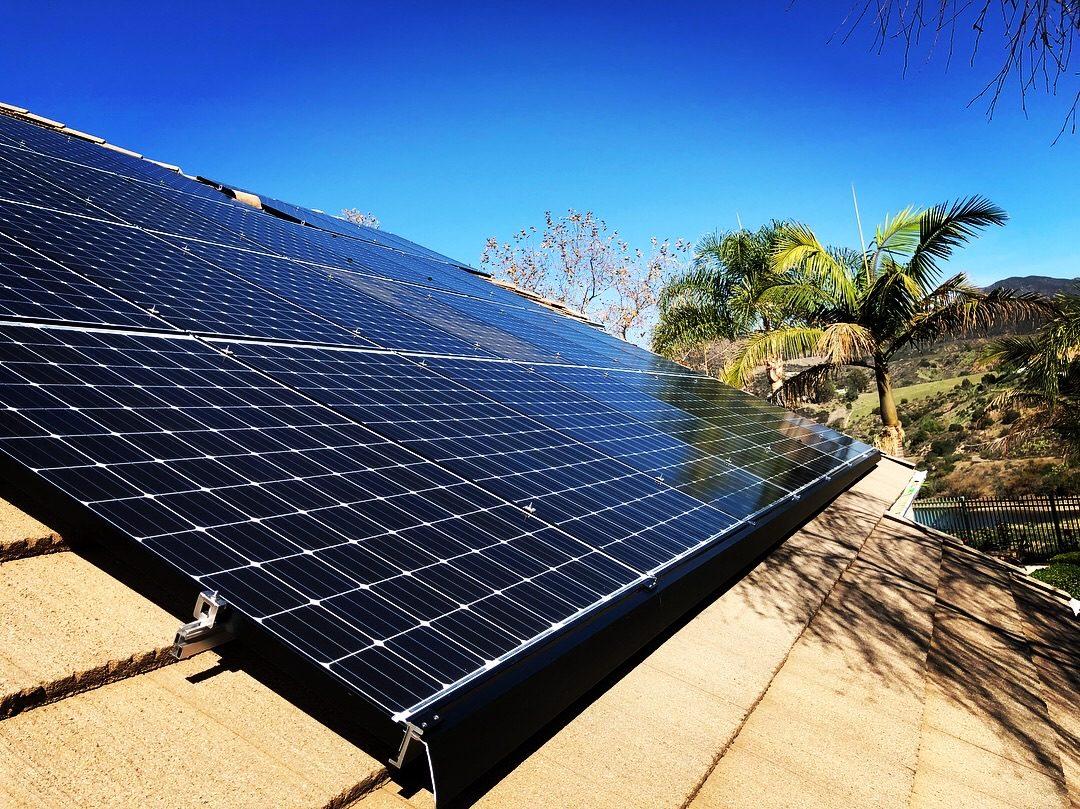
Commercial electricity bills are driven by more than usage — demand charges, time-of-use windows, and tariff structure all matter. The right system depends on your specific rate schedule and how your property uses power, so we begin with a consultation rather than a one-size-fits-all proposal.
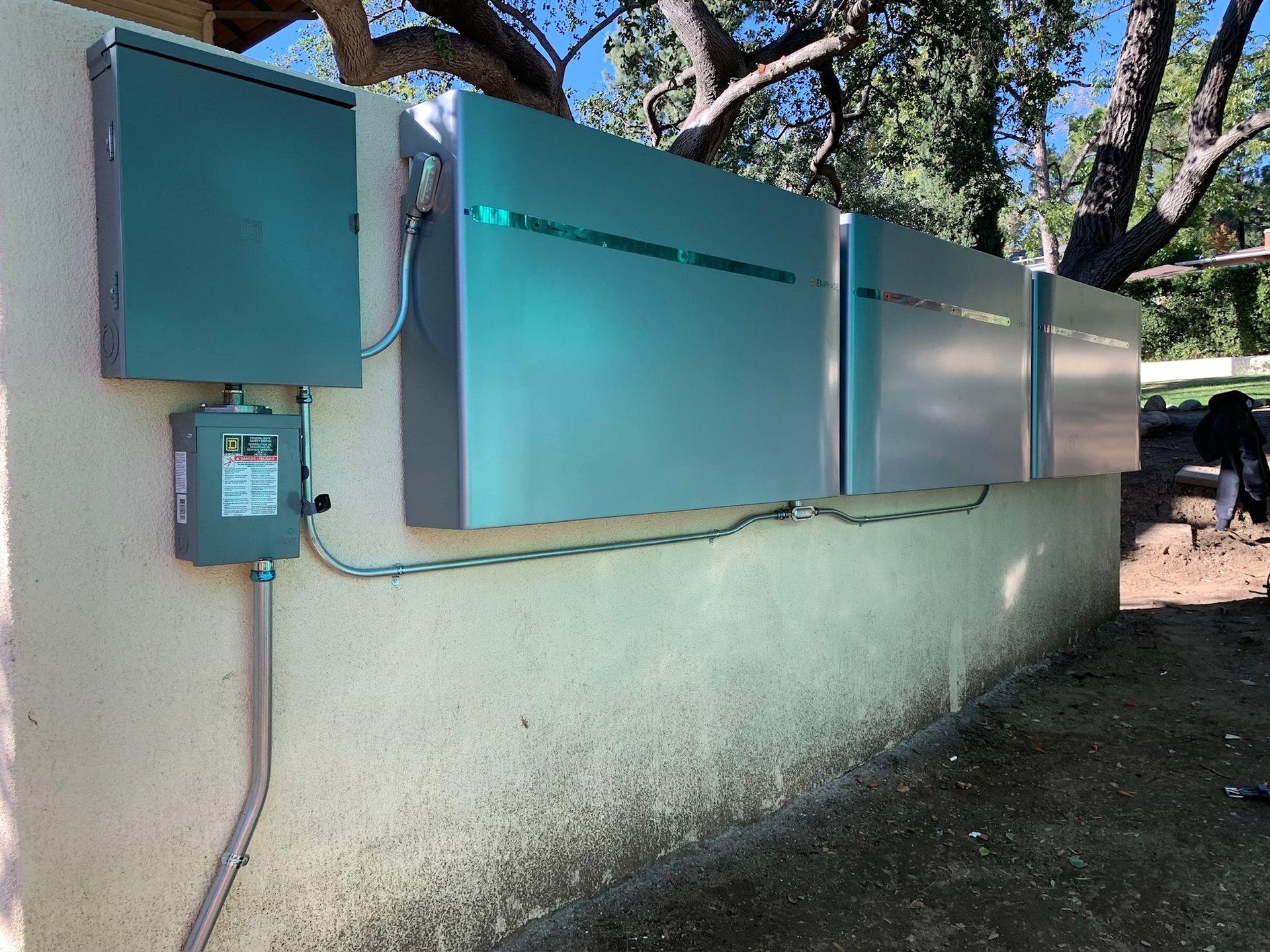
Multifamily properties and farms have their own considerations — metering arrangements, shared loads, well and irrigation pumps, and seasonal demand. We scope each of these directly with the owner during the consultation so the design fits how the property actually operates.
Service areas & regional hubs
Commercial & Multifamily across Southern and Central California — with in-house B, C-10, and C-39 crews working from local offices. Explore our regional commercial solar + BESS hubs:
Irvine HQ · SCE, SDG&E & APU
Commercial Solar in Orange County →
30% §48E ITC, 5-yr MACRS, and SCE TOU-GS-2/GS-3 demand-charge shaving across all 34 OC cities.
Los Angeles Office · LADWP & SCE
Commercial Solar in Los Angeles →
LADWP A-2/A-3, SCE TOU-GS, Title 24 compliance, and LADBS/LAFD UL 9540A permitting.
Riverside & San Bernardino · SCE, RPU & IID
Commercial Solar in the Inland Empire →
Warehouse, logistics, and cold-storage solar + BESS with AQMD Rule 2305 WAIRE points.
Good questions
Yes — OC Solar has completed both residential and commercial installations since 2016. Commercial work is consult-driven, so we start by reviewing your usage, rate schedule, and site before proposing a design.
Yes — Orange County is our home base. We install commercial and business solar across Irvine, Anaheim, Santa Ana, and the rest of OC, plus LA, Riverside, and Southern and Central California. Local OC crews handle the design, electrical, and permitting, and we scope each commercial site individually rather than from a template.
We consult on commercial buildings, multifamily properties, and agricultural sites across Southern and Central California. Because every site differs, we scope each one individually rather than quoting from a template.
It depends on system size, your rate schedule, available incentives, and site conditions — all of which we confirm during the consultation. We don't publish a one-size-fits-all number because it would be misleading.
Often yes. For many businesses the biggest savings come from reducing demand charges and shifting load, which storage makes possible — so we design it in where it pencils out.
Request a commercial consultation. We'll review your bills and site, then walk you through realistic options with no obligation.
Yes — and it's a key 2026 distinction. While the residential §25D credit expired December 31, 2025, the commercial §48E clean-electricity investment credit remains available for business-owned systems through roughly 2027, and a business that owns its system may claim it directly. Tax treatment depends on your situation, so confirm details and timing with a qualified tax professional.
Demand charges are fees based on your single highest spike of power use in a billing period — often a large share of a commercial bill because they're driven by brief peaks, not total consumption. Solar cuts daytime energy charges, and battery storage can discharge to flatten the demand peaks panels alone can't reach. That pairing is central to most commercial designs we propose.
Yes — agricultural operations often have large, steady loads like irrigation pumps, processing, and refrigeration, plus the roof or land to host a sizable system. Solar offsets those heavy operating loads and hedges decades of rising energy costs. We scope wells, pumping, and seasonal demand directly with the owner during the consultation so the design fits how the operation actually runs.
More questions? Browse all 74 FAQs →
Rated 4.8★ on Google by Southern California homeowners. Read the reviews →
Why homeowners choose OC Solar
Manufacturer certifications


 1 of 12 installers
Awards & recognition
 2024
2024

 #1 in California2026Best Equipment2026Best Installation2026
Ratings, license & partnership
 Since 2017
 Team partnership
Keep researching
What drives a commercial system's economics in 2026, regional utility demand-charge rules, and the §48E + MACRS incentives that still apply.
§48E 30% ITC, 5-year MACRS depreciation, and demand-charge shaving explained.
SCE TOU-GS-2 & TOU-GS-3 demand-charge shaving and C&I battery storage across OC.
LADWP A-2 / A-3 and SCE commercial solar, Title 24 compliance, and rooftop/carport BESS.
Warehouse, logistics, and cold-storage solar + BESS across Riverside & San Bernardino.
Refer & earn
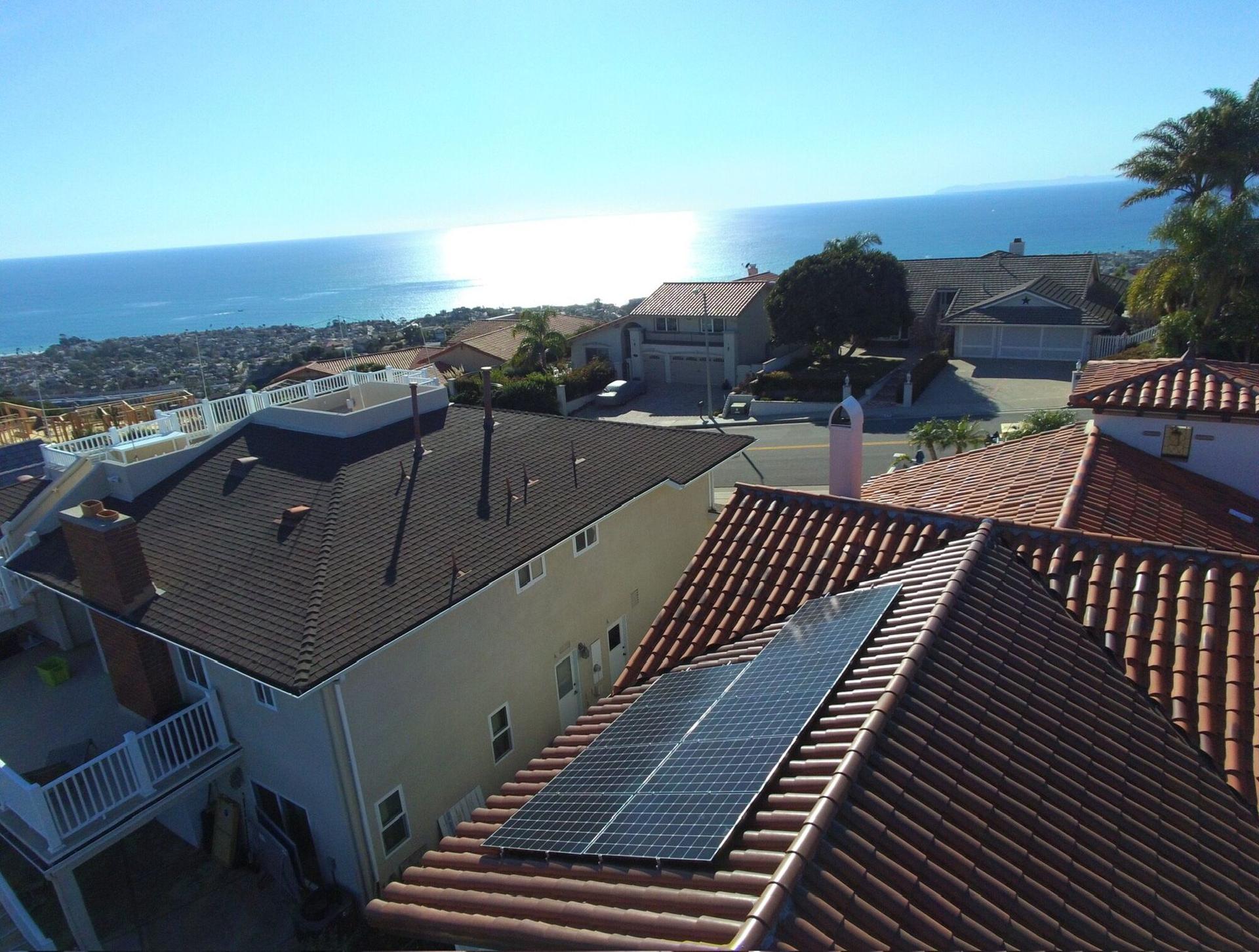
Know someone tired of rising utility bills? Send them our way. When your friend or family member goes solar with OC Solar, we'll thank you with $500.
Send their info
Share your friend's name and a way to reach them — takes a minute.
They go solar
We design, install, and power on their system, start to finish.
You get $500
Paid after their system is installed. Refer as many as you like.
Or call 949-427-8817 to refer someone. Terms apply.
Related
Start with the service address, a recent electric bill if available, and the operating question you need answered.
Licensed, Bonded & Insured · CSLB #1023627