Published March 18, 2026 · Updated June 10, 2026 · 6 min read
The short answer
Most California residential solar systems are quoted as a per-watt price, and a typical home system runs in the rough range of $15,000–$30,000 before financing — more with a battery. Because NEM 3.0 makes a battery essential and every roof differs, the only accurate number is an itemized proposal.
By Vinnie Curcie, Founder & CEO
How solar is priced: it's per-watt, not per-panel
California installers quote solar by system size — measured in watts (W) or kilowatts (kW) — at a price per watt. A 7 kW system at, say, $3.00 per watt would be roughly $21,000 before any financing or battery. Per-watt pricing is why two homes with the 'same number of panels' can have very different totals: panel wattage, equipment tier, and electrical work all move the number.
Widely cited 2026 ranges put a typical California residential solar system somewhere around $15,000–$30,000 before financing, with battery storage adding meaningfully on top. Treat those as ballpark estimates, not quotes — your real price depends on the specifics below. If you're shopping locally, we've also broken down what solar panels cost in Orange County specifically, with cited county-level market data.
What actually drives your number
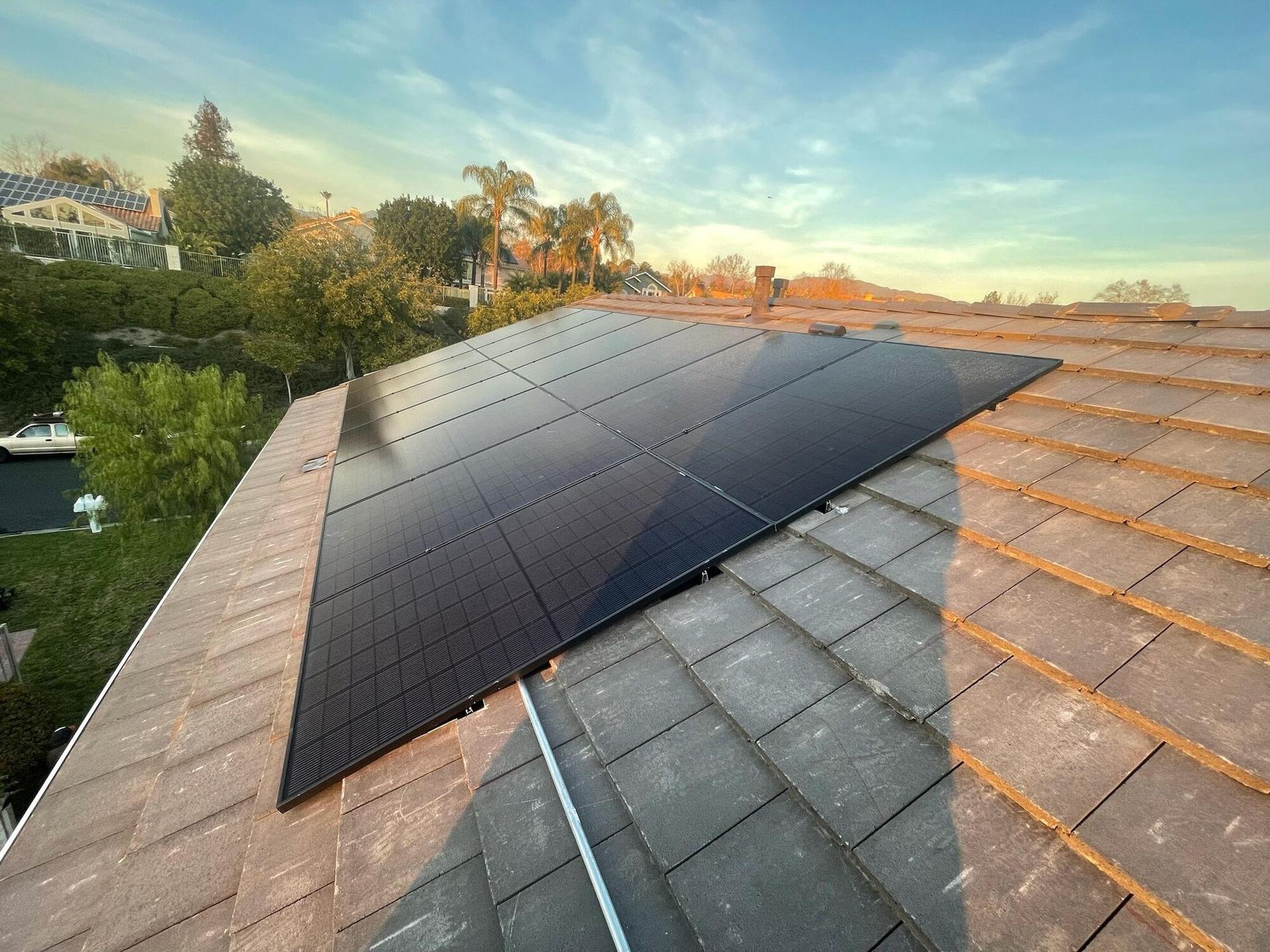
Five things move solar pricing the most: system size (how much electricity you use), panel and inverter tier, whether you add battery storage, roof complexity (tile is more labor than composition shingle, multi-plane and steep roofs cost more), and any electrical upgrades like a main-panel swap or sub-panel for backup loads.
Because NEM 3.0 slashed export credits, almost every economically sound 2026 design includes a battery — so when you compare quotes, make sure you're comparing solar-plus-battery to solar-plus-battery, not a battery-less system that looks cheaper but saves far less.
Sizing: bigger isn't automatically better
Under NEM 3.0, oversizing a solar array to dump cheap power onto the grid no longer pays — exports earn very little. The smarter design sizes the array to cover your usage and charge a battery for the expensive 4–9 PM peak. A right-sized system costs less up front and saves more, which is the opposite of the 'add more panels' sales pitch.
Financing: cash, loan, or $0-down lease/PPA
There are three common paths in 2026. Pay cash and you own the system outright with the fastest payback. Take a solar loan and you finance the purchase — note that the federal §25D tax credit that used to offset 30% of a cash or loan purchase expired December 31, 2025, so loan buyers no longer get it. Or choose a $0-down lease or PPA, where the financing company owns the system, claims the commercial §48E credit through roughly 2027, and passes that value to you as a lower monthly payment.
Why we quote an itemized price, not a flyer number
A flat advertised price almost always hides assumptions about your roof, panel, or whether a battery is even included. As one company handling solar, battery, and electrical with in-house crews, OC Solar gives you a single itemized proposal — equipment, labor, electrical work, and financing — so you can see exactly what you're paying for. We've operated since 2016 under CSLB #1023627, which is the kind of stability that matters when you're signing a 25-year warranty.
FAQ
Widely cited ranges put a typical residential system around $15,000–$30,000 before financing, with a battery adding more. Treat that as an estimate — your real price depends on system size, equipment, roof type, and electrical work, which is why we give an itemized proposal.
Incentives and rates change. This page is kept current — but always confirm specifics for your home.
Get a free, honest estimate →