
Published October 24, 2025 · 4 min read
By OC Solar
Why Roof Type Matters for Solar
Solar panels work best on roofs that are sturdy, sun-exposed, and easy to mount on. While most homes in Southern California are solar-friendly, some roofing materials make installation smoother and more cost-effective than others. The right combination of structure and sunlight will help your system produce maximum energy for decades to come.
The Best Roof Types for Solar
Composition Shingle Roofs Asphalt shingles are the most common roof type for residential homes and one of the best materials for solar. The panels can be securely mounted without compromising the roof's integrity, and installation is typically fast and affordable. Pros: - Compatible with most mounting/racking systems - Easy to repair and maintain Cons: - Shorter lifespan - Wears quickly under extreme heat
Tile Roofs (Clay or Concrete) Tile roofs are popular throughout Southern California, but they require extra care during installation. Installers often remove and replace tiles around the mounting brackets to create a watertight seal. Clay tiles are more delicate, while concrete and composite tiles provide stronger support. Pros: - Extremely durable and long lasting - Heat resistant Cons: - Prone to cracking if not handled properly - Installation requires additional labor and precision
Metal Roofs Standing seam metal roofs are one of the most solar-ready options available. Mounting brackets can be attached directly to the seams, eliminating the need for drilling and minimizing the risk of leaks. These roofs are extremely durable and can last longer than the solar panels themselves. Pros: - Durable - Easy to install solar panels on Cons: - Can be loud during rainstorms - More expensive than other roofs
Flat Roofs Flat roofs are common on modern or commercial-style homes. Since they do not have a natural slope, solar installers use racking systems to tilt panels toward the sun. This design flexibility allows panels to be positioned at the most efficient angle for your location. Pros: - Easier access for cleaning and maintenance - Panels can be tilted for optimal sun exposure Cons: - Requires proper draining to avoid flooding - Cannot support the Tesla Solar Roof
Wood Shake or Slate Roofs Wood shake and slate roofs are visually appealing but not ideal for solar. These materials are fragile and can crack easily during installation. Homeowners with these roof types may want to consider re-roofing or upgrading to a more solar-friendly material before installation. Pros: - Attractive, timeless look - Weather-resistant if maintained well Cons: - Brittle and flammable
Should You Reroof Before Going Solar?
If your roof is more than 15 to 20 years old or shows visible wear, it may be worth replacing or repairing before going solar. Once panels are installed, removing them for roof work can be time-consuming and costly.
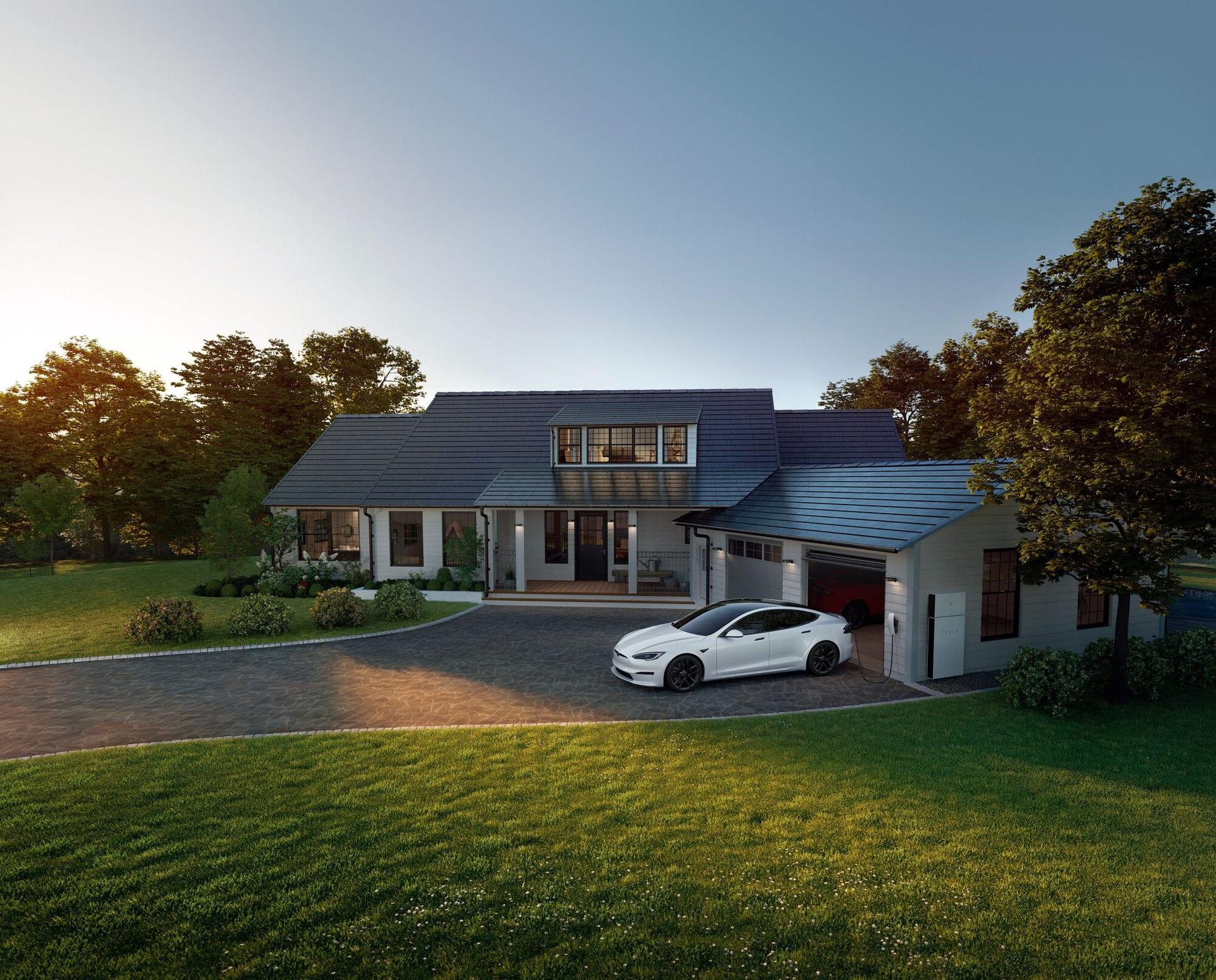
For homeowners who need a new roof and want to go solar at the same time, OC Solar offers several integrated solutions, including the Tesla Solar Roof. Unlike traditional panels, the Tesla Solar Roof replaces your existing roofing material with solar-integrated tiles that produce clean energy while maintaining a sleek, modern appearance. It is a premium option that combines durability, performance, and design for homeowners who want a seamless look without visible panels.
Whether you choose a traditional roof with solar panels or a fully integrated solar roof system, OC Solar ensures your installation is built for long-term reliability and energy savings.
How Roof Positioning Impacts Solar Efficiency
Even if your roof is made from the perfect material, positioning and pitch can significantly affect how much sunlight your panels receive throughout the day.
Roof Direction: - South-facing roofs are the best for solar in Southern California. They capture the most sunlight during the day and produce steady power output. - West-facing roofs can also perform well, especially during the late afternoon when energy use and utility rates peak. - East-facing roofs generate more power in the morning, which can still offset a large portion of your daily usage. - North-facing roofs tend to produce less energy but can still work effectively with high-efficiency panels or larger system designs.
Roof Angle (Pitch): The angle of your roof determines how directly sunlight hits your panels. The ideal slope for solar is usually between 15 and 40 degrees. In Orange County, roofs with a pitch between 20 and 30 degrees typically deliver the best performance. For flat or steep roofs, adjustable racking systems can fine-tune the angle for maximum energy production.
Incentives and rates change. This page is kept current — but always confirm specifics for your home.
Get a free, honest estimate →