
Solar energy and battery storage have come a long way over the past decade, yet many homeowners are still hesitant to make the switch. Why? Misinformation. Persistent myths about cost, reliability, and performance continue to cloud the conversation, even as solar technology becomes more affordable and more powerful each year.
Let’s break down the top six solar and battery myths and replace them with facts that actually reflect today’s reality.
Myth #1: Solar is an expensive luxury for the wealthy
This is one of the most persistent beliefs about solar, rooted in the days when systems required a massive upfront investment. Many homeowners still view solar as a “purchase” they can’t afford, assuming they need tens of thousands of dollars sitting in the bank to even begin the conversation.
The reality is that solar has transitioned from a luxury purchase to a bill replacement. With $0-down leases and modern financing structures, most homeowners aren’t adding a new expense; they are simply replacing a volatile utility bill with a lower, fixed monthly payment. When you factor in long-term savings, solar is often the most cost-effective upgrade you can make to your home.
Myth #2: Batteries are only useful during a blackout
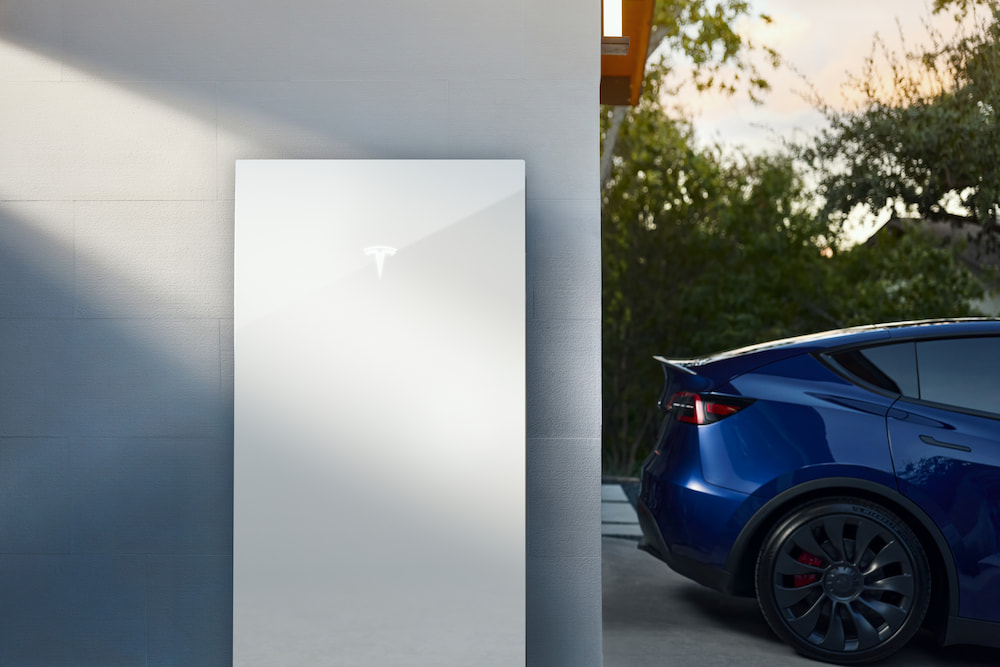
Many people see solar batteries as nothing more than an expensive “emergency generator” that sits waiting for a storm. They believe that if their local grid is generally reliable, the investment in battery storage won’t provide a daily return on investment.
However, a modern battery is actually a sophisticated financial tool. Beyond emergency backup, batteries perform “peak shaving.” They store cheap solar energy during the day to power your home during the evening when utility companies charge their highest “peak” rates. By using your stored energy instead of buying it from the grid at 6:00 PM, the battery pays for itself through daily savings.
Myth #3: Solar panels do not work on cloudy or cold days
A common misconception is that solar panels require constant, direct sunshine and high temperatures to produce energy. Homeowners in overcast or cooler climates often feel they “missed out” on the solar revolution because they don’t live in a desert environment, fearing their system will sit idle half the year.
In truth, solar panels run on light, not heat. Like most electronics, panels actually perform more efficiently in cooler temperatures. While production is highest on clear days, modern high-efficiency panels capture a broad spectrum of light, allowing them to generate significant power even during overcast weather. If solar didn’t work in the clouds, Germany wouldn’t be a global leader in solar adoption.
Myth #4: Solar systems require constant, expensive maintenance
Because solar is a high-tech energy solution, homeowners often worry about the maintenance costs. There is a fear that the panels will require specialized cleaning, frequent repairs, or that “moving parts” will eventually wear out and lead to thousands of dollars in unexpected bills.
In reality, solar is a solid-state technology with no moving parts. Unlike an HVAC system or a car, there are no belts to snap or motors to burn out. Most systems require nothing more than an occasional rinse with a garden hose to remove dust.
Myth #5: Solar panels make a home harder to sell
Some homeowners worry that solar panels will complicate a future home sale or that buyers will see the system as a liability. They fear that a solar system might be viewed as an eyesore or a confusing contractual obligation that could scare off potential bidders.
The opposite is actually true: energy independence is a premium selling point in today’s market. Studies show that homes with owned solar systems sell faster and for more money than those without. In an era of rising inflation, a home with a locked-in, low energy bill is significantly more attractive to buyers than a home at the mercy of the local utility.
Myth #6: There are no more federal incentives for residential solar
The landscape for solar incentives shifted significantly on December 31st, 2025, when the traditional Residential Investment Tax Credit (ITC) expired. This has led many to believe they “missed the boat” and that the 30% savings they were counting on are gone forever.
However, this change has simply moved the opportunity from the residential sector to the commercial sector. By utilizing more sophisticated financial models, savvy homeowners are still capturing that 30% discount; they are just doing it through a different door.
The 2026 Solution: The OC Solar Prepaid Plan
The OC Solar Prepaid Plan was designed specifically to navigate this new era of energy. You don’t have to worry about the expiration of residential credits because our plan utilizes the Commercial Solar Tax Credit and depreciation benefits to your advantage.
We partner with commercial entities that claim these incentives and apply the savings upfront as a massive discount on your system. This allows you to bypass the traditional tax-season headache and see the results immediately.
The OC Solar Prepaid Plan offers:
- Upfront Savings: The 30% discount is applied before we even step onto your roof.
- No Credit Barriers: We don’t require credit checks, making solar accessible to more people.
- Zero Debt: There are no liens on your home and no monthly solar payments to manage.
- Total Peace of Mind: You get the full benefit of energy independence without the traditional financing hurdles.
The Bottom Line
Don’t let outdated information dictate your financial future. When you look past the myths, solar stops feeling like a risk and starts looking like the smartest long-term decision you can make for your home.
Ready to see how the Prepaid Plan can save you 30%? Contact OC Solar today for a free consultation!