

One of the biggest misconceptions about solar is that it’s supposed to eliminate your electric bill completely.
While solar can dramatically reduce your energy costs, a properly designed system isn’t necessarily about getting your bill to zero. Instead, it’s about creating the right amount of solar production for your home, your future energy needs, and your utility company’s rules.
So, how much of your electric bill should solar offset? The answer depends on several factors, but for most homeowners, the goal is to offset enough electricity to maximize long-term savings without oversizing the system.
Let’s take a closer look.
What Does “Solar Offset” Mean?
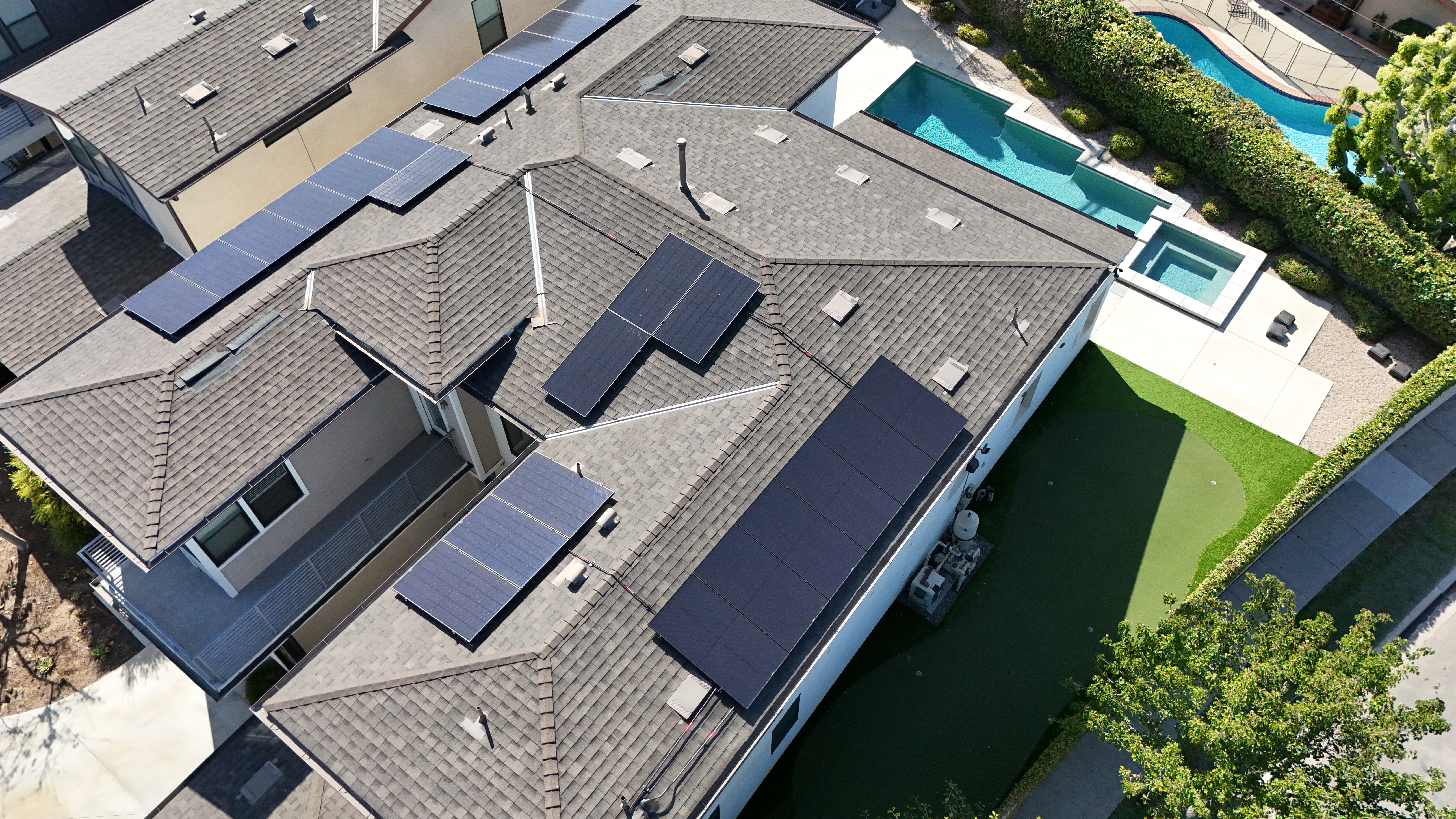
Solar offset refers to the percentage of your annual electricity usage that your solar system is designed to produce.
For example:
- A 100% offset system is designed to generate roughly the same amount of electricity you use over the course of a year.
- An 80% offset system generates about 80% of your annual electricity consumption.
- A 120% offset system is designed to produce more electricity than you currently use.
The right offset depends on your home, utility, budget, and future energy needs.
Why a 100% Offset Doesn’t Mean a $0 Electric Bill
Many homeowners are surprised to receive a utility bill even after installing a system designed for a 100% offset.
This happens because standard residential solar systems remain connected to the local utility grid. Even if your panels generate every kilowatt-hour you use, utility companies still charge mandatory fixed connection fees, infrastructure costs, and minimum monthly charges just for keeping your home tied to the grid.
You will still receive a utility bill after going solar, but it will look vastly different. These mandatory grid charges represent a tiny fraction of what you used to pay for electricity before making the switch. Typically, only around $10-$20 a month.
Why Proper System Sizing Matters

One of the most important steps in the solar process is designing a system that fits both your current and future energy needs.
A quality solar installer doesn’t simply look at last month’s electric bill and choose a system size. They evaluate your historical usage, roof condition, utility requirements, and future plans.
When calculating your ideal offset, you must account for upcoming lifestyle changes, such as:
- Purchase an electric vehicle
- Add a pool or spa
- Install electric appliances
- Work from home more often
At OC Solar, we customize every system around both your current consumption and your anticipated future demand. This precise design phase ensures your investment yields the highest ROI.
How Much Should Solar Offset?
For most homeowners, OC Solar typically recommends designing a system that offsets approximately 110% to 120% of current electricity usage.
Why build in a 10% to 20% cushion? Because residential energy usage almost always increases over time.
By building a slight production cushion into your initial system design, you protect your home against future lifestyle changes. This safety net is incredibly valuable as homeowners increasingly adopt EVs, home battery backups, and modern electrification upgrades. Designing for a 110% to 120% offset protects your investment and prevents the logistical headache of having to add more panels down the road.
What Happens If Your System Doesn’t Offset Enough?
If your solar system doesn’t offset enough of your energy usage, you will have to buy the remaining electricity directly from your utility provider.
While you might not notice a massive difference on your standard monthly bills, an undersized system can result in a surprisingly expensive “True-Up” bill at the end of your billing year. Systems typically underperform user needs when:
- Household energy usage spikes unexpectedly post-installation.
- Major lifestyle changes (like a growing family or new EV) increase consumption.
- The original system was poorly designed by an inexperienced installer.
Ultimately, an undersized system means lower overall ROI and continued vulnerability to rising utility rates. You can always add onto your system, but it’s better to measure twice and cut once.
The Bottom Line
The best solar systems are not necessarily the biggest systems. They’re the systems that are sized correctly.
For most modern homeowners, a solar offset between 100% and 120% provides the ultimate balance of immediate monthly savings and long-term asset value. The goal of residential solar is to break your reliance on expensive utility electricity, not necessarily to erase every single cent from your utility statement.
If you’re considering solar, start with a professional analysis of your electric bill and future energy needs. At OC Solar, our team designs customized systems based on your home’s unique usage patterns, helping you maximize savings while avoiding costly oversizing or undersizing.