

Many homeowners assume their solar system is a fixed setup that cannot be changed after installation. That seems logical, but it’s not entirely accurate. In many situations, you can expand your solar system or add a battery later, but the process depends on utility rules, equipment limitations, roof space, and contract terms. Without understanding these details, homeowners often discover that expansion is more complicated than simply adding a few extra panels.
If you are wondering whether you can add more solar panels to an existing system, this guide breaks down what is actually possible and the factors that could limit your options.
Why Homeowners Consider Expanding Their Solar System
A solar system is typically designed around your household’s energy use at the time of installation. However, energy consumption rarely remains constant. Orange County homeowners frequently add electric vehicles, switch to electric water heaters, install pool equipment, or begin working from home.
New homes built to the California Title 24 mandate may include a small solar array, but these code minimum systems often fall short once actual usage begins. When you see higher monthly bills or a large true-up bill, it’s a sign your system might be undersized and could benefit from additional panels or battery storage.
First Step: Understand Your Utility’s NEM Rules
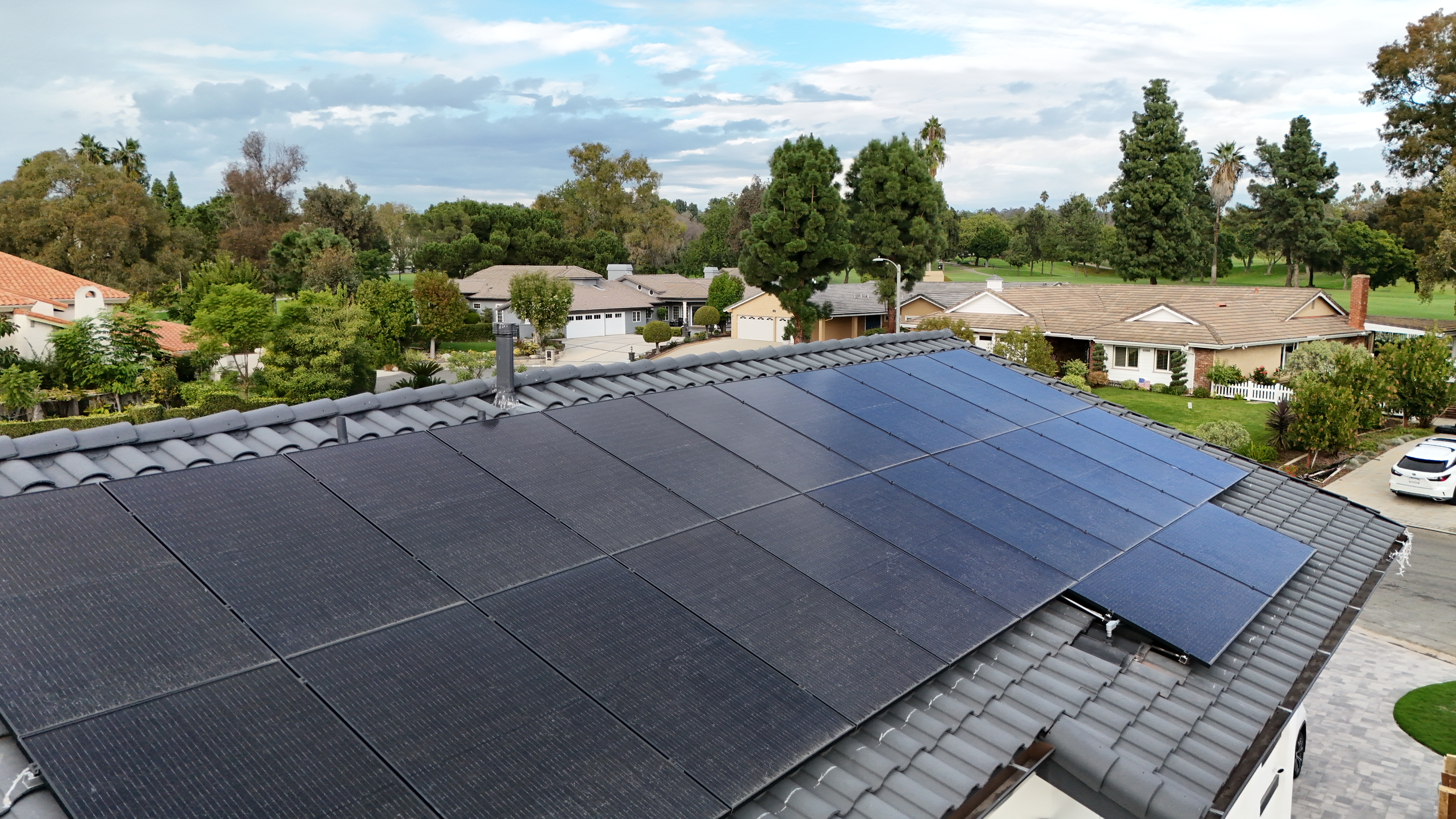
If you are thinking about expanding your solar system in Irvine or anywhere in Southern California, your first step should be to review your utility’s interconnection rules.
Under NEM 3.0, homeowners can increase their system size, but the utility must review and approve the change. The expansion will not require you to switch to a different NEM program; however, the utility needs confirmation of the final system size. This applies whether you are under SCE, SDGE, or LADWP.
If you have an older NEM 1.0 or NEM 2.0 agreement, expanding the system might cause you to lose that grandfathered status. This would significantly impact your long-term solar savings and should be carefully evaluated before proceeding.
This part of the process is often underestimated. Each utility in Southern California has its own approval timeline and requirements, and failing to follow the correct procedure can delay projects or result in rejections
Check for PPA or Lease Restrictions Before Expanding
If you purchased your solar system outright, expanding it is generally much easier. If you financed through a PPA or lease, the situation becomes more restrictive.
Most PPA contracts do not allow homeowners to add third-party panels or alter the original system. Even when permitted, the provider often requires homeowners to use their equipment and pricing. If you are trying to add solar panels to an existing system that is under a PPA, you may not legally be able to do so.
In many cases, the only upgrade allowed under a PPA is the addition of a battery, and even that depends on whether the battery alters the solar array’s output. Reviewing your original contract is essential before making any decisions.
Evaluate Roof Space and Electrical Capacity
Once you confirm your contract and NEM status, the next step is determining whether your roof and electrical system can support an expansion.
The original installation may have already used the most productive roof surfaces. Adding panels to shaded or less optimal areas might not deliver the energy production you expect. In these cases, adding solar to an existing system might still be possible, but it may not provide enough value to justify the investment.
Your inverter size also matters. Some homeowners discover that their existing inverter is already maxed out. Expanding may require a second inverter or a full upgrade. Older homes in Orange County may also need a main panel upgrade before adding more solar capacity.
When a Battery Provides More Value Than Extra Solar Panels
Your annual true-up bill is the clearest indicator of whether you need to increase your solar production. If your true-up consistently shows that your household consumed more energy than your system produced, expanding the system may be appropriate.
However, if the high true-up occurs only during a few months, the issue may be linked to seasonal usage spikes, new appliances, or poor load timing that a battery could solve more efficiently. Skipping this deeper analysis often leads homeowners to invest in expansions that do not address the real problem.
Under NEM 3.0, many homeowners assume panel expansions are always the best option, but this is not always the case. Additional panels produce excess daytime energy that has low export value. For many homes in Southern California, adding a battery to an existing solar system provides more savings than installing additional panels.
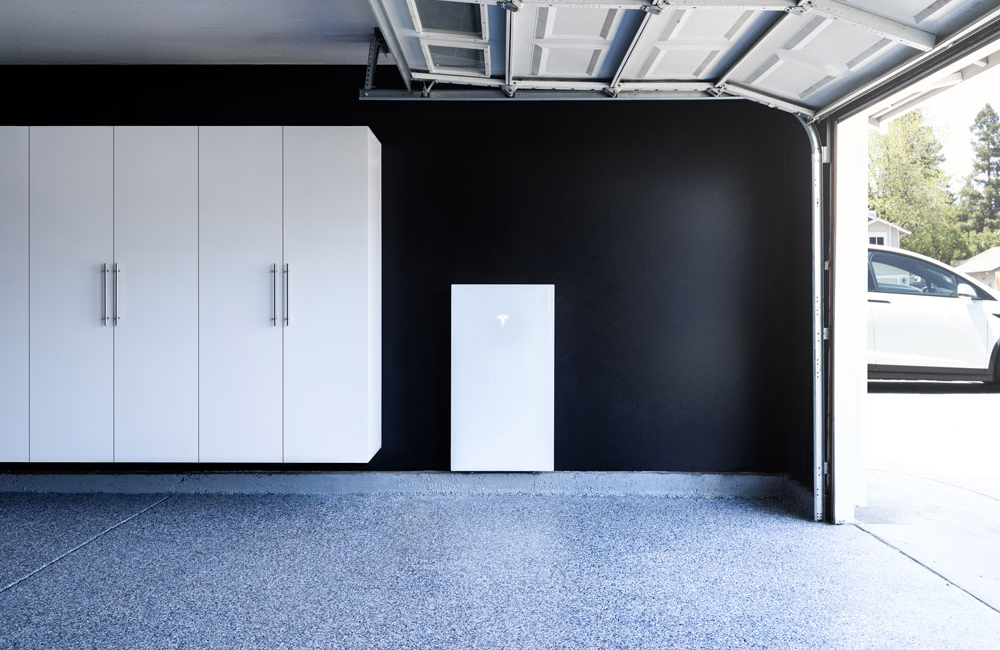
A battery stores daytime solar production so it can be used during expensive on-peak periods. Products like the Tesla Powerwall 3, Enphase 5P, and Enphase 10C integrate well with existing systems and help offset evening use, whether or not you expand your solar array.
Final Thoughts
Expanding a solar system is possible, but the process depends on utility rules, roof conditions, contract terms, and long-term energy needs. Before moving forward, review your true-up history, evaluate your NEM program status, and work with a team that understands Southern California’s solar landscape.
If you are considering adding solar panels to an existing system or exploring battery options, OC Solar can help you make the right decision. Our team will evaluate your usage, review your true-up bill, and design a system expansion that fits both your goals and your utility requirements. Contact us today to schedule a free system assessment.