
Let’s face it, the solar industry is full of acronyms and abbreviations. NEM, TOU, kW, and kWh are all part of the solar industry’s infamous “alphabet soup.” Even the most tech-savvy homeowner might find themselves scratching their heads trying to understand what all the terminology means. How can you possibly make a big decision for your home when you’re not 100% sure what all the words on your contract even mean?
OC Solar is here to help! We built this glossary to serve as your “translator.” Below, we’ve put together a list of some of the most common terminology you’ll hear bandied about by solar consultants and utility companies, and explained what it means, as well as why it matters for your home’s future.
Jump to a section:
General Solar Terms | Utility and Billing | Equipment and Hardware | Financing
General Solar Terms

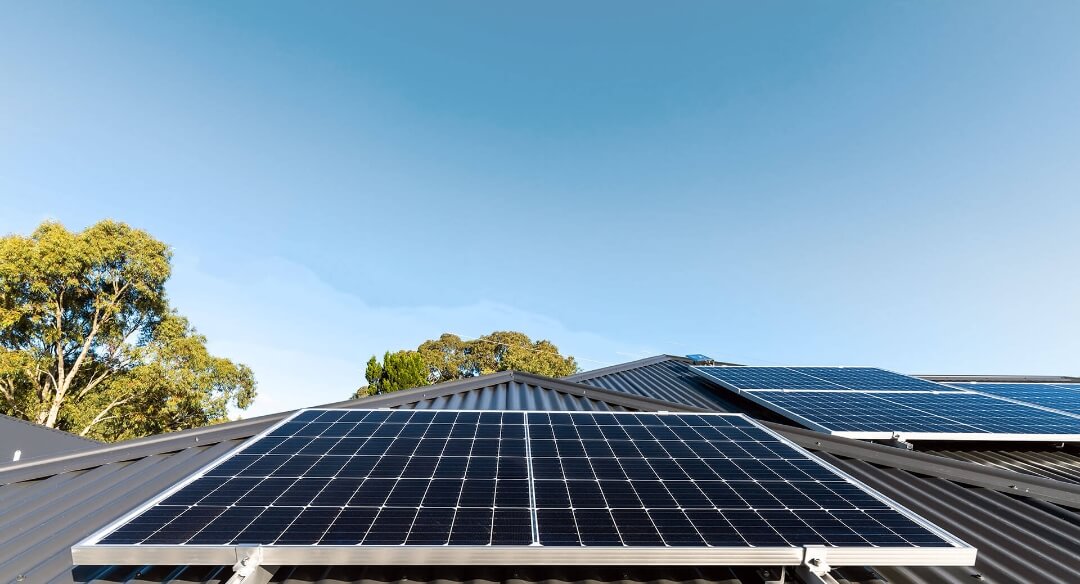
- Solar Panel: A device composed of photovoltaic cells that converts sunlight directly into electricity, serving as the primary engine of your clean energy system.
- Photovoltaic (PV): The physical process of converting light (photons) directly into electricity (voltage) using semiconducting materials.
- Why it matters: Unlike older solar technology that used the sun’s heat to warm up water, photovoltaic technology allows us to create silent, solid-state electricity with no moving parts, making it much more durable and efficient for home use.
- Solar Battery: A storage device that captures excess electricity produced by your panels for use when the sun isn’t shining
- Why it matters: A battery transforms your system into a 24/7 energy source and provides critical backup power during grid outages.
- Array: The complete collection of solar panels installed on your roof and wired to work together as a single system.
- Kilowatt (kW): A unit of power that measures the maximum capacity and size of your solar installation.
- Why it matters: System size is quoted in kilowatts, so understanding kW helps you compare proposals and ensure your system is appropriately sized for your home.
- Kilowatt-Hour (kWh): The unit of energy measurement that utility companies use to calculate your monthly bill. One kWh equals running 1,000 watts of electricity for one full hour.
- Why it matters: Your system is designed to offset a specific number of kWh; knowing your average monthly usage is the essential starting point for an accurate proposal.
- System Size: The total power capacity of your solar installation, measured in kilowatts (kW).
- Why it matters: Proper sizing maximizes your ROI by ensuring you don’t pay for more equipment than you need while still covering your energy goals.
- Offset: The percentage of your total annual electricity usage that your solar system covers, showing exactly how much of your bill you are “erasing”.
- Islanded System: A standalone solar installation that is not connected to your main electrical system or the utility grid.
- Why it matters: These systems are often used to add onto existing solar systems.
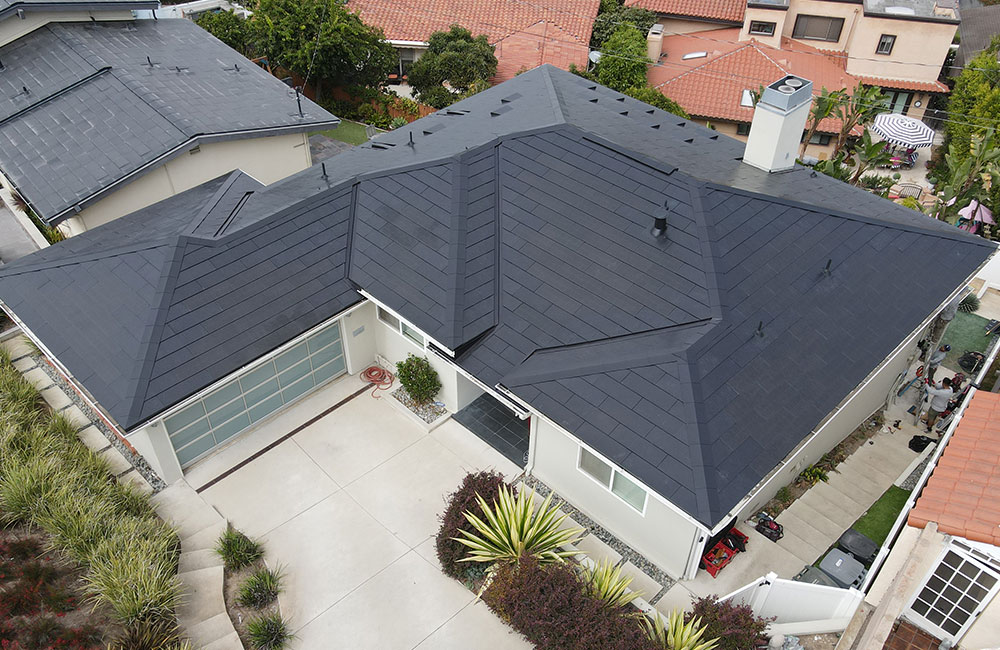
- Solar Roof Tile: A roofing material, such as the Tesla Solar Roof, that integrates solar cells directly into the tiles for a seamless aesthetic.
- Irradiance: The intensity of solar energy hitting your roof, which installers use to estimate how much power your specific location will produce annually.
Solar Utility and Billing Terminology
- Time of Use (TOU): A billing structure where electricity costs fluctuate based on the time of day.
- Why it matters: TOU is the standard in California; understanding these windows allows you to use your solar battery to avoid the most expensive rates.
- Net Energy Metering (NEM): A billing arrangement where you earn credits for excess solar energy sent back to the utility grid.
- Why it matters: NEM turns the grid into a “virtual battery,” allowing you to use those credits to offset the power you draw at night.
- Sun Hours: The total daily duration of sunlight in your area, providing a baseline for your home’s solar potential.
- Peak Hours: The time of day when utility companies charge the most for power. Typically from 4 pm – 9 pm, depending on the utility.
- Why it matters: Shifting heavy appliance use to earlier in the day allows you to power your home with “free” solar energy instead of expensive grid power.
- Off-peak hours: Times when electricity demand is lowest, such as midday or overnight, resulting in the cheapest utility rates.
- Why it matters: These are the best times to pull energy from the grid if necessary, as it minimizes the impact on your monthly bill.
- True-Up Bill: An annual billing summary that reconciles all solar credits and grid usage from the past 12 months.
- Why it matters: This is the “final score” for your system’s yearly performance, confirming if your system was sized correctly for your lifestyle.
- Permission to Operate (PTO): The official final approval from your utility company to legally activate your system.
- Why it matters: Without PTO, your system cannot be turned on, even if the installation is physically complete.
Solar Equipment & Hardware Terms
- Microinverter: A small inverter attached to each individual solar panel that converts DC electricity to AC right at the panel level. Each panel operates independently.
- String inverter: A single centralized inverter that connects all of your panels in a series and converts their combined DC output to AC electricity.
- Inverter: The “brain” of the system that converts the DC electricity produced by panels into the AC electricity used by your home.
- Conduit: The protective tubing or piping that houses and routes the electrical wiring from your solar panels down to your inverter and electrical panel.
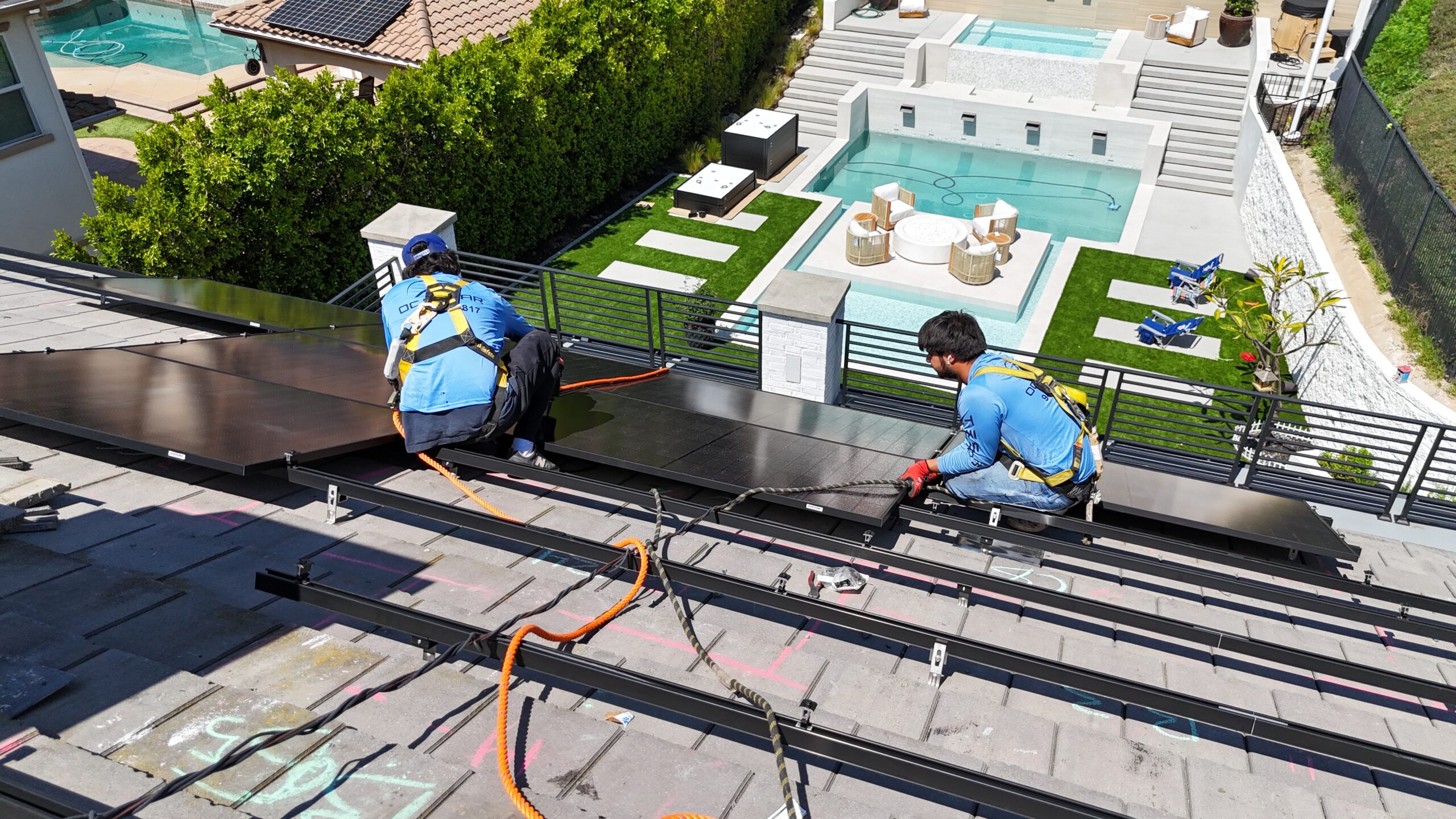
- Racking: The structural hardware engineered to securely mount solar panels to your roof while maintaining an optimal angle for sun exposure.
- Critter Guard: A mesh barrier installed around the array to prevent animals from nesting under panels or damaging wiring.
- Back-Up Switch: A device that disconnects your home from the utility grid and switches it over to battery power during an outage.
- Why it matters: This is the component that makes “off-grid” power possible during an emergency, ensuring your battery can safely feed your home.
- Gateway: The communication hub that connects your solar system to the internet, allowing you to monitor production in real-time via a mobile app.
Solar Financing Options

- Power Purchase Agreement (PPA): An arrangement where a third party owns the system and you buy the electricity it produces at a set rate.
- Why it matters: This path offers $0 upfront costs, providing immediate savings on your monthly energy expenditures.
- Solar Lease: A fixed monthly fee paid to a third party to use the solar equipment on your roof.
- Why it matters: It provides a predictable, locked-in monthly cost for energy that is not tied to how much electricity the system produces.
- Prepaid Solar: A solar lease where the total amount is paid in one lump sum at the start.
- Why it matters: You get the benefits of owning a cash system, including federal tax credits, without owning the system
- Cash purchase: Buying the solar system outright with your own funds.
- Why it matters: This option provides the highest long-term Return on Investment (ROI) by eliminating monthly payments and interest costs entirely.
- OC Solar Energy Agreement: A specialized agreement similar to a PPA but with unique added benefits.
- Why it matters: This option guarantees first-year savings and offers the flexibility to bundle a necessary roof replacement into the agreement.
Final Thoughts
Understanding these terms is the first step, but a glossary will only get you so far. Because every roof is different in orientation, and every household has different energy usage habits, these terms come alive in a different way with each and every homeowner. A “True-Up Bill” for your neighbor might look completely different than a “True-Up Bill” for you.
Have a term you’ve heard that isn’t on this list? Let us know, and we’ll add it to the list!
Ready to see how much you can save with your photovoltaic array? Schedule a free consultation with OC Solar today. Our energy consultants will walk you through everything — no pressure, no jargon, just honest answers about what solar looks like for your home.