
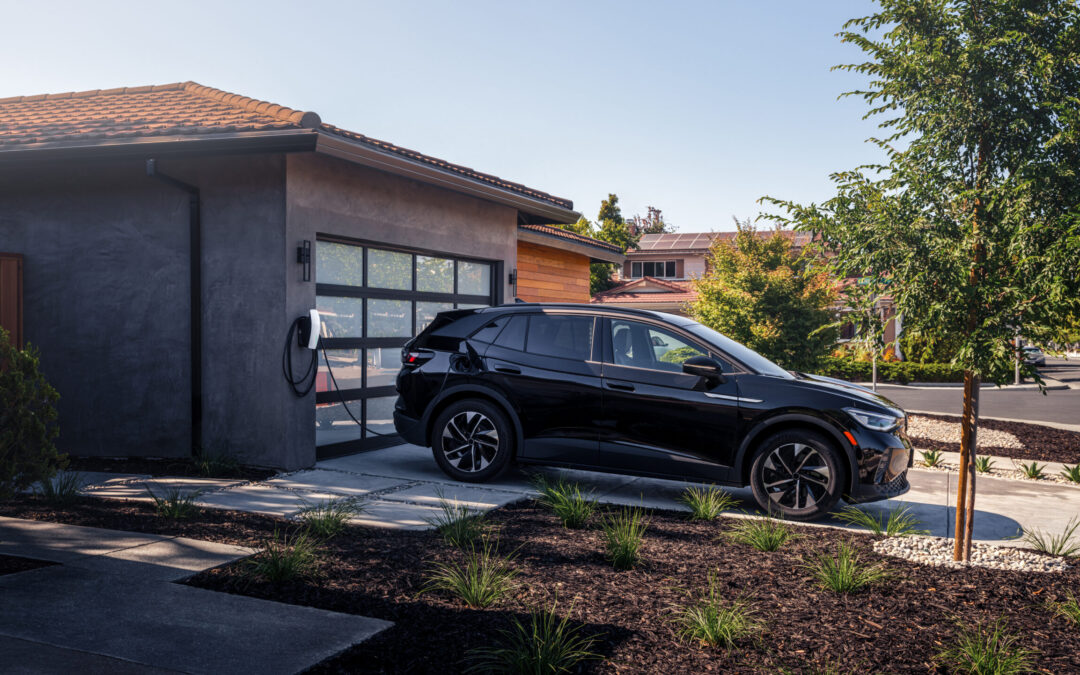
Getting behind the wheel of an electric vehicle (EV) for the first time is an exhilarating shift. You can finally say goodbye to the gas pump, enjoy lower maintenance costs, and take pride in a smaller environmental footprint. However, as with any major lifestyle change, there is a learning curve.
Of course, as is always the case, there is a learning curve when it comes to such a large change. Here are four tips for new EV owners throughout Southern California.
1. What is the Best Way to Charge an EV at Home?
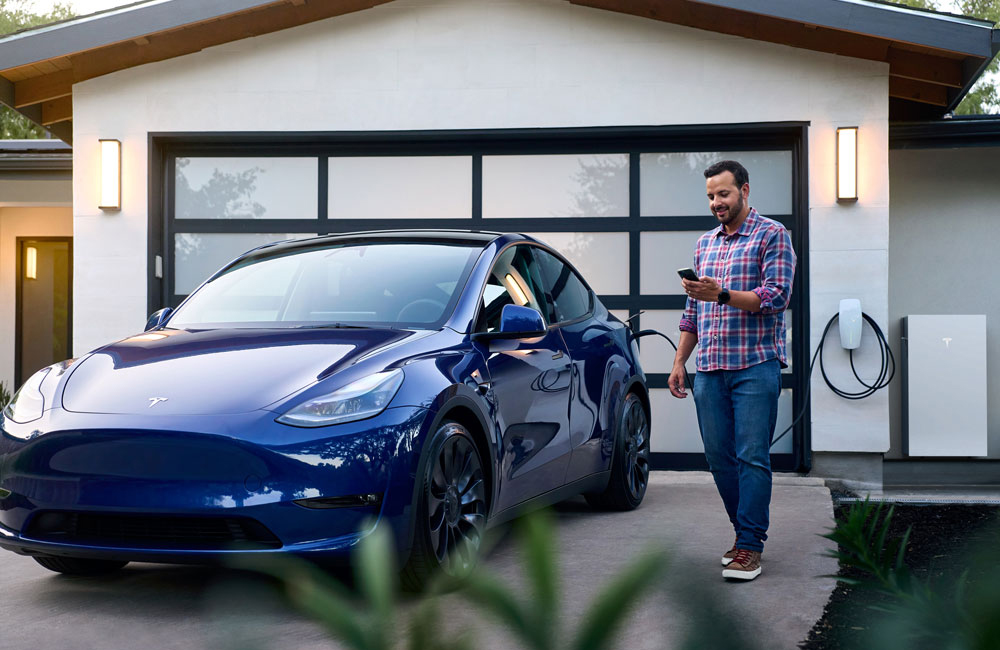
While you can technically charge an EV using a standard 120-volt household outlet (Level 1 charging), it is often too slow for modern driving needs. Most new owners quickly realize that Level 1 charging can’t keep up with a standard commute in Orange County and Los Angeles, leading to “range anxiety” before the day even begins.
- Level 1 Charging: Adds only 3 to 5 miles of range per hour; a full charge can take over 24 hours.
- Level 2 Charging: Requires a 240-volt outlet. This adds 20 to 30 miles of range per hour, allowing you to wake up with a “full” battery every morning.
The Benefit: Upgrading to a Level 2 home charging station can prevent stressful mornings. By maximizing your charging speed at home, you eliminate the need to hunt for public chargers during your daily routine, ensuring your vehicle is always ready for unexpected trips without the wait.
2. How Do I Maximize My EV Battery Life?
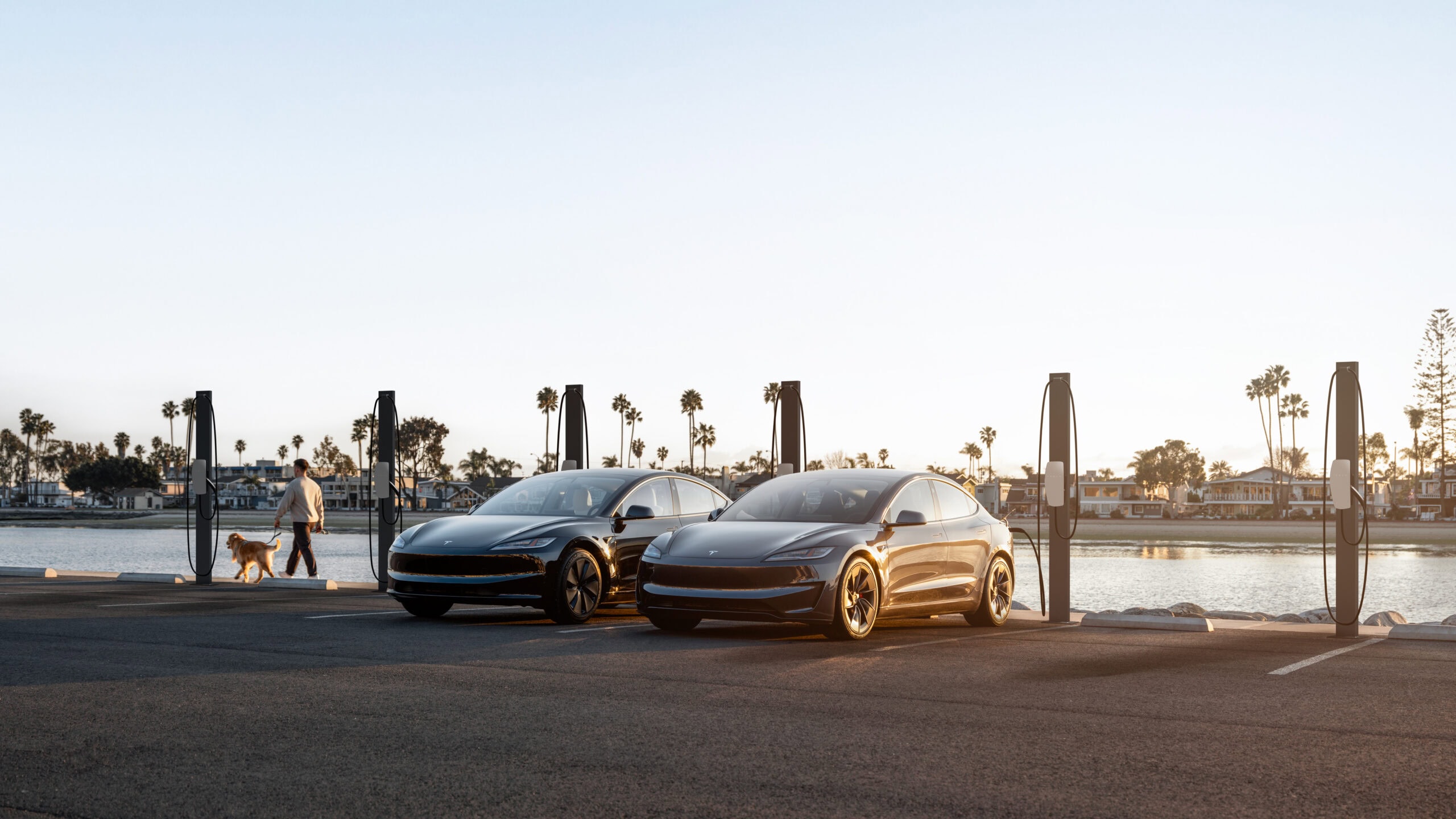
Treating your EV battery like a gas tank by topping it off to 100% every day can actually accelerate battery degradation. Lithium-ion batteries work best when they are in a “goldilocks” state of charge.
- Maximize Battery Life with Smart Charging: Overcharging your battery increases voltage stress and accelerates chemical aging. Undercharging can cause deep discharges that reduce your battery’s cycles over time.
- Utilize Your EV Monitoring System: Most EVs have a built-in scheduling feature where you can program your car to charge during off-peak hours.
- Temperature Matters: If it’s freezing outside, your battery will charge more slowly unless you use your car’s navigation to “precondition” it on the way to the charger.
The Benefit: Charging with smart habits helps prevent long-term battery degradation. By staying within this optimal range, you protect your car’s most expensive component, maintain a higher resale value, and ensure your vehicle’s range remains consistent for years to come.
3. Plan Ahead for Road Trips

On a road trip, your strategy shifts from Level 2 home charging to DC Fast Charging (Level 3). However, not all chargers are created equal, and the advertised speed is rarely the speed you will actually get.
- Charge Frequently: A good rule of thumb is to plan stops every 150 to 200 miles and never let your battery drop below 10% if you can avoid it.
- Verification Apps: Use PlugShare to read recent user reviews; just because a charger is on the map doesn’t mean it’s currently functional.
- Plan Your Route Around Charging: Use ABRP (A Better Route Planner) to route your journey based on charge points. Make sure to always have a backup in case one station is full or broken.
The Benefit: Proactive trip planning and pre-conditioning solve the problem of “charging anxiety” on long hauls. Whether you’re heading up to Mammoth or down to San Diego, a solid charging strategy ensures you spend your time enjoying the destination rather than searching for an available plug.
4. Power Your EV with Solar and Battery Backup

Here is something worth thinking about as a new EV owner: every mile you drive is now powered by electricity, which means your home energy costs will go up. The good news is that home solar can offset a significant portion of that increase, and many EV owners who go solar end up paying very little to charge their vehicle over time.
- True Energy Independence: By installing solar, you pre-pay for your fuel at a fixed, much lower rate than what the utility company charges.
- Battery Storage: Systems like the Tesla Powerwall 3 allow you to capture solar energy during the day and dump it into your car at night, avoiding high-cost peak evening hours.
- Net Metering: Even if you aren’t home during the day, your solar panels send energy to the grid, earning you credits that effectively pay for your overnight EV charging.
The Benefit: Integrating solar and battery storage transforms your home into a self-sustaining fueling station, shielding you from rising utility rates and ensuring that your transition to an EV results in true financial freedom, not just a higher electric bill.
Take Control of Your Energy Future
If you are already in the process of making the switch to electric driving, the next logical step is to add solar power to your home. A well-designed solar and battery system means you are no longer at the mercy of rising utility rates or grid outages when it comes to keeping your vehicle charged and your home powered.
At OC Solar, we make it simple to get started. Whether you are brand new to solar or ready to add battery backup to an existing system, our team will design a solution built around your home and your energy needs.
Visit OCSolar.com/quote or call 949-427-8817 to schedule your free consultation today.