
If your electric bill keeps climbing, it is rarely because of one “mystery device.” In most homes, a small group of energy-hungry appliances does most of the work behind the scenes. These are typically systems that heat, cool, or run continuously throughout the day.
Understanding which appliances use the most electricity is the first step toward lowering your monthly bill. Below are the top five biggest electricity users in the average home, along with practical ways to manage their impact.
1. Heating and cooling (HVAC systems)
Heating and air conditioning are the largest sources of residential electricity use in most climates. According to the U.S. Energy Information Administration, space heating and cooling together account for more than 50% of a home’s annual energy consumption.
Why does HVAC use so much power? HVAC systems are the “heavy lifters” of your home. Unlike a lightbulb or a toaster, these systems must move and condition massive volumes of air to counteract the outdoor temperature. Running for hours to combat extreme temperatures, they draw more sustained wattage than nearly any other appliance.
Ways to reduce HVAC energy use
- Replace air filters regularly and keep vents clear
- Use a programmable or smart thermostat
- Seal air leaks and improve insulation
- Upgrade to a high-efficiency heat pump when possible
2. Water heater
Water heating is typically the second-largest energy expense in a home. The U.S. Department of Energy estimates it accounts for about 18 percent of residential energy use.
Why does a water heater use so much power? Most traditional electric water heaters suffer from “standby heat loss.” To ensure you have hot water the second you turn on the tap, the heater constantly cycles on to reheat the water in the tank, even when you’re sleeping or at work. This 24/7 cycle of heating and reheating 40 to 50 gallons of water creates a massive, invisible drain on your monthly energy budget.
Ways to lower water heating costs
- Set the thermostat to around 120°F, if appropriate
- Fix leaks and install low-flow fixtures
- Insulate hot water pipes
- Consider a heat pump water heater for major long-term savings
3. Clothes dryer
While you might only use it a few times a week, the clothes dryer is one of the most energy-intensive appliances in the modern home. It requires more instantaneous power than almost any other device to get the job done.
Why does a clothes dryer use so much power? Dryers are high-wattage appliances that require a massive amount of energy to generate heat and simultaneously power a motor to tumble heavy, wet laundry. Because a typical cycle lasts 45 to 60 minutes, the sustained draw of electricity creates a significant spike in your usage.
Ways to reduce dryer electricity use
- Clean the lint filter after every load
- Use moisture-sensing settings instead of timed cycles
- Dry full loads without overloading
- Air-dry heavier items when possible
4. Refrigerator and freezer
The refrigerator is the ‘silent contributor’ to your utility bill. Because it is one of the few appliances required to be plugged in and cooling at all times, its cumulative energy draw over a month is surprisingly high.
Why do fridges/freezers use so much power? Unlike almost every other appliance on this list, your refrigerator never stops. It must run its compressor cycles 24 hours a day, 365 days a year, to maintain a constant temperature. Over time, this “always-on” status makes it one of the largest contributors to your home’s baseline energy load.
Ways to reduce refrigerator energy use
- Keep the fridge between 37–40°F and the freezer near 0°F
- Clean condenser coils regularly
- Replace worn door seals
- Upgrade older units to ENERGY STAR-rated models
5. Cooking appliances (electric oven and range)
Cooking appliances are unique because their usage almost always aligns with ‘Peak Hours‘—the times of day when your utility company likely charges the highest rates for electricity.
Why do stoves and ovens use so much power? Electric stovetops and ovens use high-resistance heating elements that draw a huge amount of electricity to reach and maintain high temperatures. Since most people cook between 5:00 PM and 8:00 PM, these appliances often run during ‘peak hours‘ when utility rates are highest.
Ways to lower cooking-related electricity use
- Use smaller appliances like microwaves or air fryers for small meals
- Cook multiple dishes at once to reduce preheating
- Keep oven doors closed and use convection settings when available
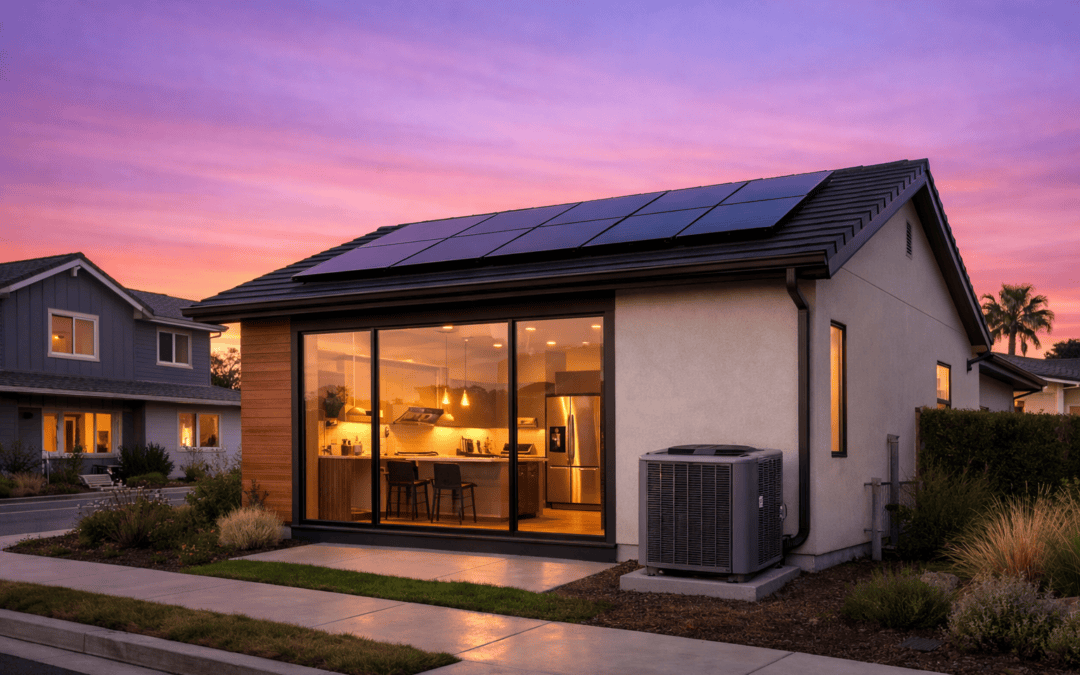
The easiest solution: offset your biggest energy users with solar
While efficiency upgrades help, your home’s heavy hitters aren’t going anywhere. Heating, cooling, water heating, and refrigeration will always drive the bulk of your bill. Because these systems run daily—often during expensive peak hours—their impact compounds over time, no matter how careful you are with the thermostat.
Solar paired with battery storage addresses this at the source. Instead of trying to cut back on essential comforts, you’re producing power while the sun is out and storing the excess for evening peaks. This shifts the dynamic: you turn unavoidable energy use into a resource you control, rather than an expense you’re forced to pay.
The Bottom Line
Adjusting habits is a ‘band-aid’ fix that eventually hits a limit. You shouldn’t have to sacrifice comfort to save money. Since essential systems like HVAC and refrigeration will always demand power, the real solution is to stop renting that energy from the utility and start producing your own.
At OC Solar, we design solar and battery systems around how you and your family actually use electricity, so your highest-demand appliances are covered from day one. By tailoring your system to your unique lifestyle, we don’t just lower your current bill; we build a long-term defense to protect you from future utility rate hikes and rising energy costs.
Ready to see how much you can save? Contact OC Solar today for a free quote and consultation!