

Most of us don’t think much about where our electricity comes from—we just flip a switch and expect the lights to come on. You’ve probably heard people talk about fossil fuels, nuclear energy, and renewables like solar, but it’s rarely explained in a way that makes sense for a regular person.
At the end of the day, all three of these are just different ways to do the same thing: create the power that runs your fridge, your TV, and your AC. However, they each work differently, and those differences affect everything from the environment to your monthly budget.
In this guide, we’re going to strip away the complex science and look at what these three energy sources actually are, how they work, and what they mean for you and your home.
Fossil Fuels: The Traditional Way
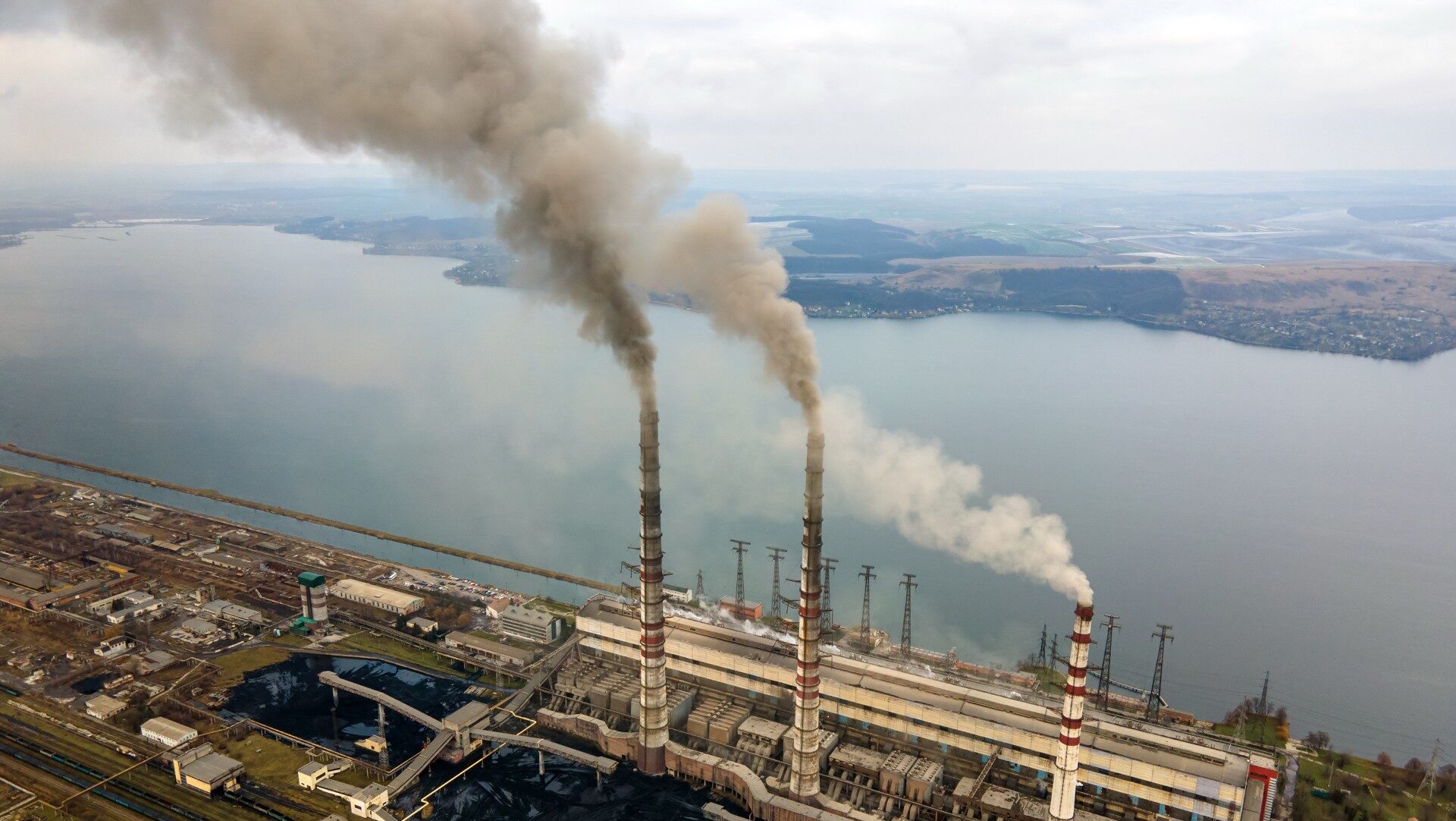
For over a hundred years, the world has relied on burning things like coal, oil, and natural gas to keep the lights on. While newer technologies are emerging, these “fossil fuels” still provide the majority of the power for our homes, businesses, and cars today.
- How it works: These fuels are burned in large power plants to create heat. That heat creates steam, which spins a giant turbine to generate electricity. This power then travels through miles of wires to reach your house.
- The Pros: The system is already built and very reliable. It provides a steady stream of power 24/7.
- The Cons: Burning these fuels creates air pollution and relies on resources that will eventually run out.
What this means for you: In this case, you are essentially a tenant. You don’t own the power source, so you have to pay whatever the utility company decides to charge. Because fossil fuel prices change based on global events, your monthly bill is unpredictable and will likely continue to rise over time.
Nuclear Energy: The High-Power Option
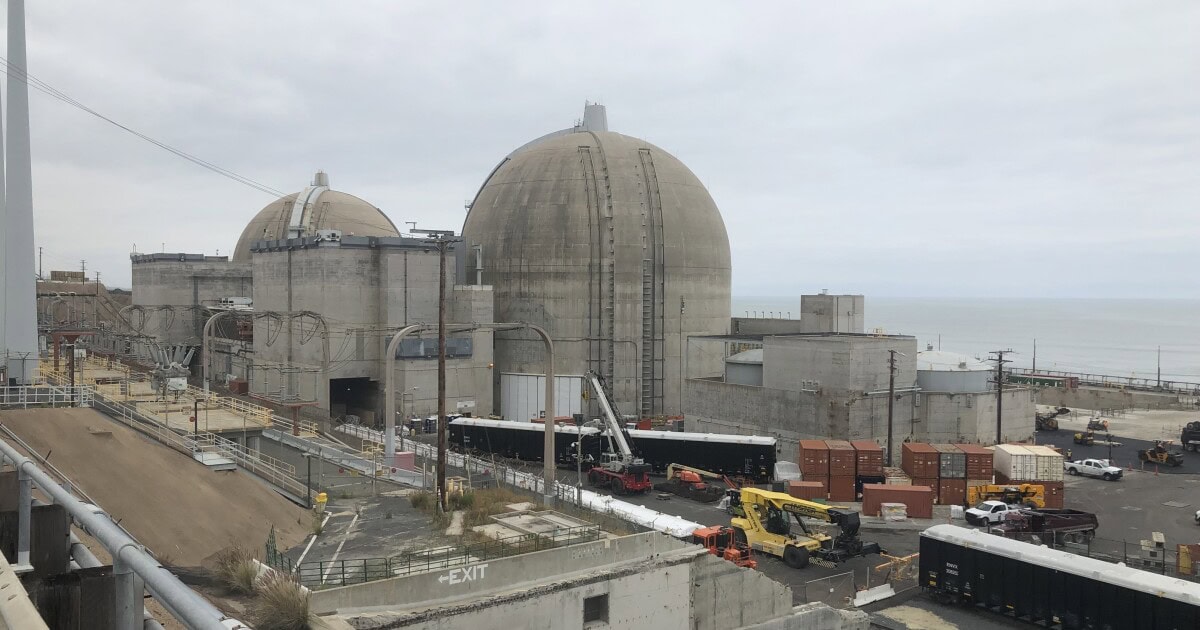
Nuclear energy is the “heavy lifter” of the energy world. It produces a massive amount of electricity from a very small amount of fuel, providing the steady baseline power that keeps entire cities running without a break.
- How it works: Instead of burning fuel, nuclear plants split tiny atoms apart (a process called fission). This generates a massive amount of heat without smoke, which is then converted into electricity.
- The Pros: It creates huge amounts of power 24/7 with almost zero air pollution.
- The Cons: Nuclear plants are incredibly expensive to build and manage. There is also the long-term challenge of storing radioactive waste safely.
What this means for you: Nuclear power is a centralized system, meaning it is controlled by big companies or the government, far away from your home. While it helps keep the air cleaner, it doesn’t give you any more control over your costs than fossil fuels do. You remain a customer of a large utility company with no say in the pricing.
Solar Energy: The Personal Power Source
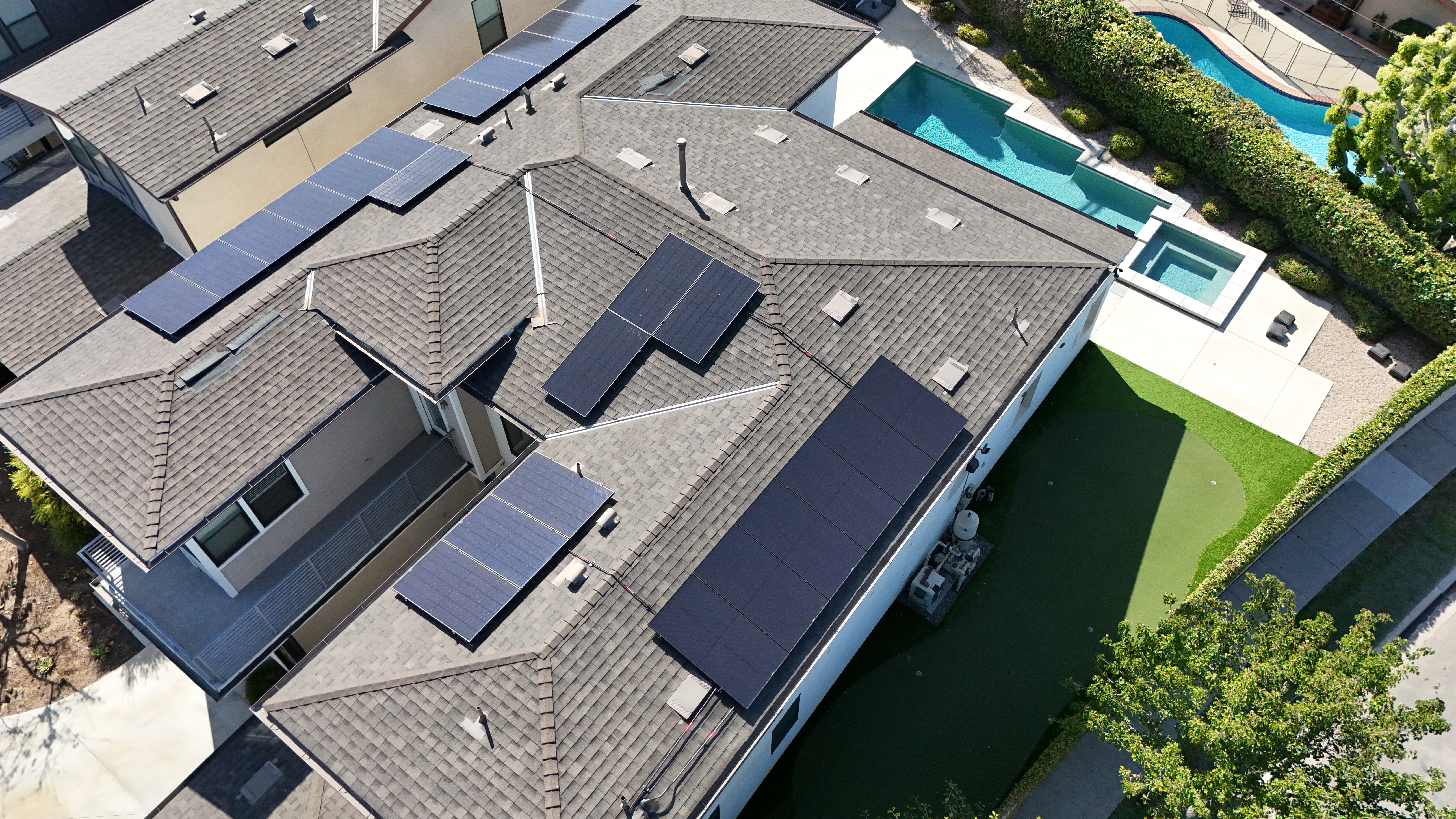
Solar energy is a renewable resource, meaning its source, the sun, never runs out. Unlike the other two options, solar doesn’t always require a giant plant miles away; it can be placed directly on the roofs of homes, schools, and local businesses.
- How it works: Solar panels take the sunlight that hits your roof and turn it directly into electricity that your home can use immediately.
- The Pros: It’s clean, quiet, and uses energy that is free and infinite. It is also the only energy source you can actually own yourself.
- The Cons: It only makes power when the sun is out. To have power at night, you need to stay connected to the grid or use a battery to store the extra energy you made during the day.
What this means for you: Solar can allow you to fully own your power. Once the panels are on your roof, your “fuel” (the sun) is free. This protects you from rising utility rates and gives you long-term stability for your home budget. You are in charge of your own production, rather than being at the mercy of a utility company.
Comparison at a Glance: Fossil Fuels vs. Nuclear vs. Solar
| Factor | Fossil Fuels | Nuclear Energy | Solar Energy |
| Environmental Impact | High emissions | Low emissions | Minimal emissions |
| Cost Stability | Volatile | Very high upfront cost | Predictable and affordable |
| Sustainability | Finite | Long-term limits | Fully renewable |
What about Hydrogen?
You may have heard of hydrogen being used for cars or large industrial buildings. It is a very clean way to create power, but for now, it is mostly used for “heavy lifting”, like moving cargo ships or semi-trucks. While home hydrogen systems exist, they are currently much more expensive and complex than a standard solar battery.
Take Control of Your Energy Bill
Fossil fuels are becoming harder to justify, and nuclear and hydrogen remain out of reach. Solar stands alone because it offers control: control over your production, your grid-dependence, and your long-term costs.
Protect yourself from rising utility rates and take ownership of your energy today. OC Solar offers the flexible pathways you need to make the transition realistic, whether you want to start with zero down or lock in maximum savings.
Ready to see your savings? Contact OC Solar today to get your free, personalized solar quote.