

Winner — ConsumerAffairs #1 Solar Company in CaliforniaOwn your power.For the next 25 years.
No spam, no sold leads — a real OC Solar advisor reviews every request.
How it works
How your OC Solar system works
It starts with the sun.
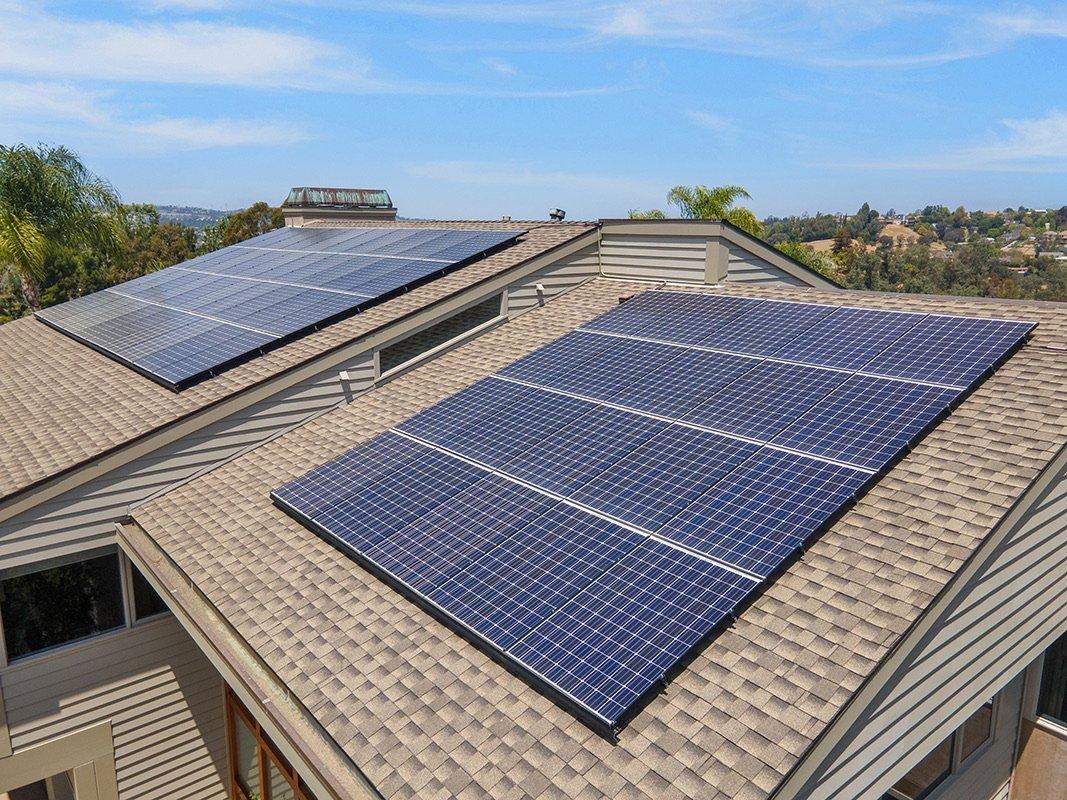
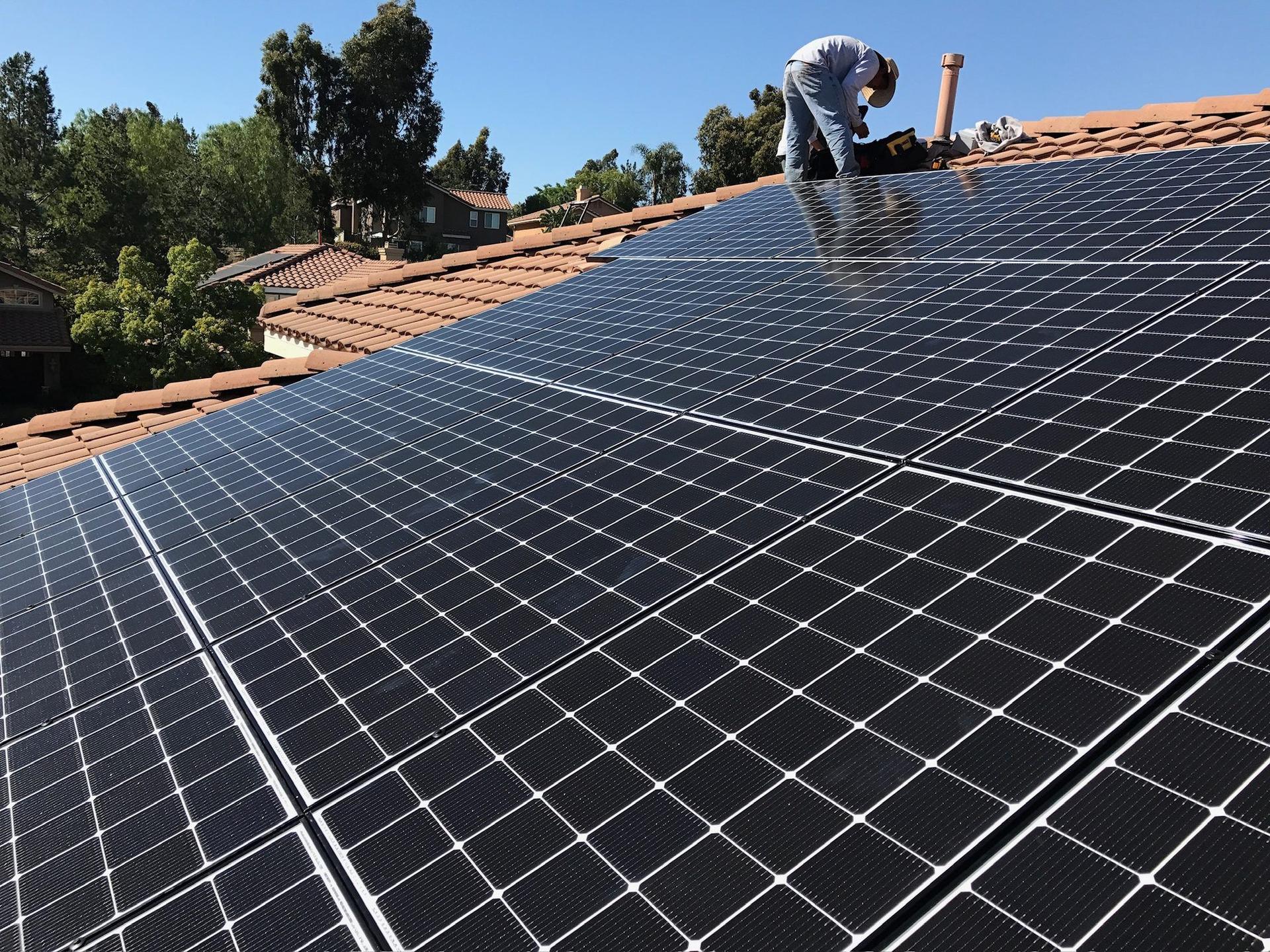
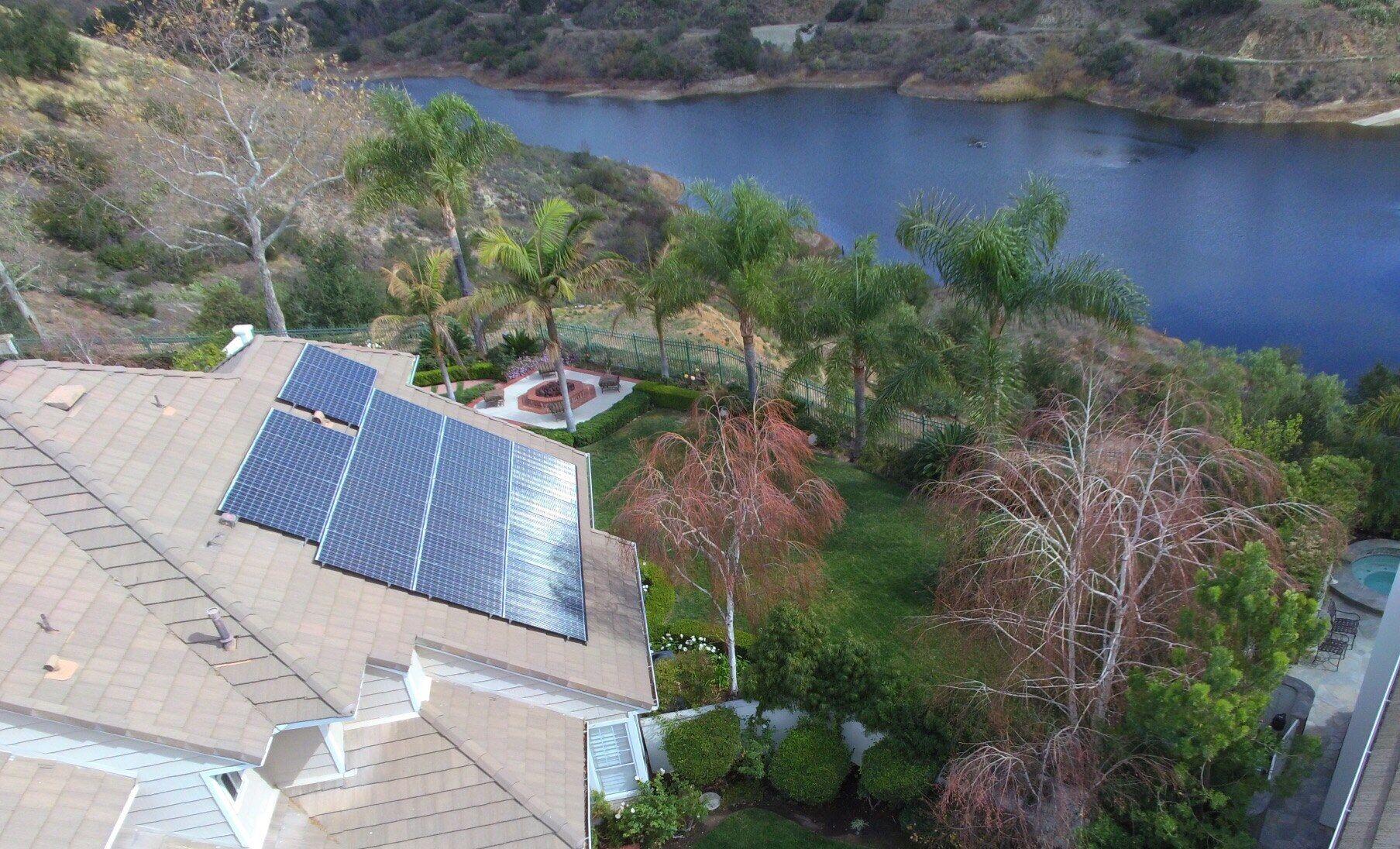
All-black, high-efficiency panels soak up Southern California sunshine from dawn to dusk.
Power, made on your roof.
Your inverter turns that sunlight into the everyday electricity your home already runs on.
Bank it in a Powerwall.
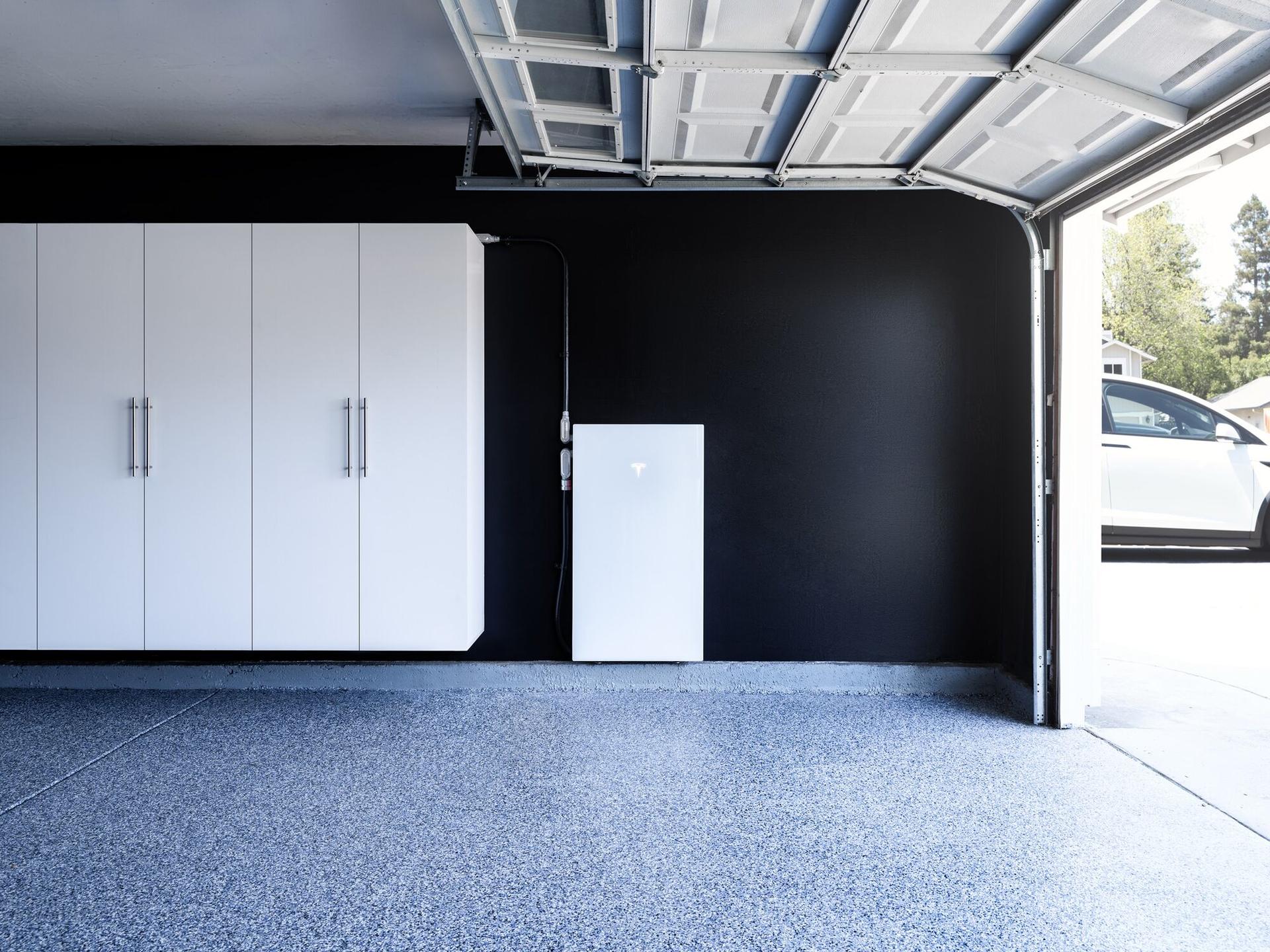
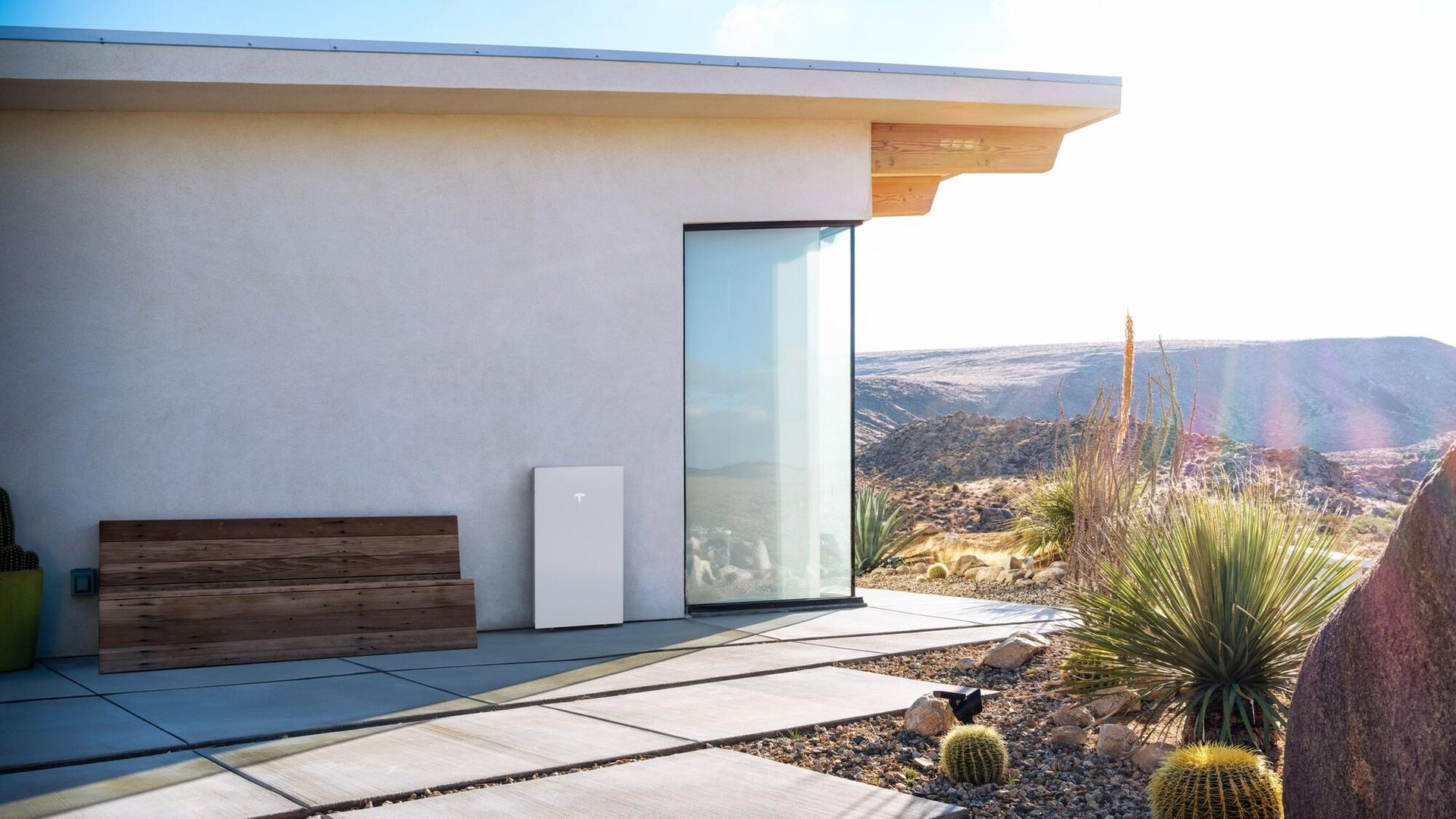
Store the extra for outage backup — and to keep the lights on after the sun goes down.
Your home, day and night.
Live on your own clean power around the clock. The grid becomes your backup, not your bill.
See the full process →One accountable company
Everything your home needs
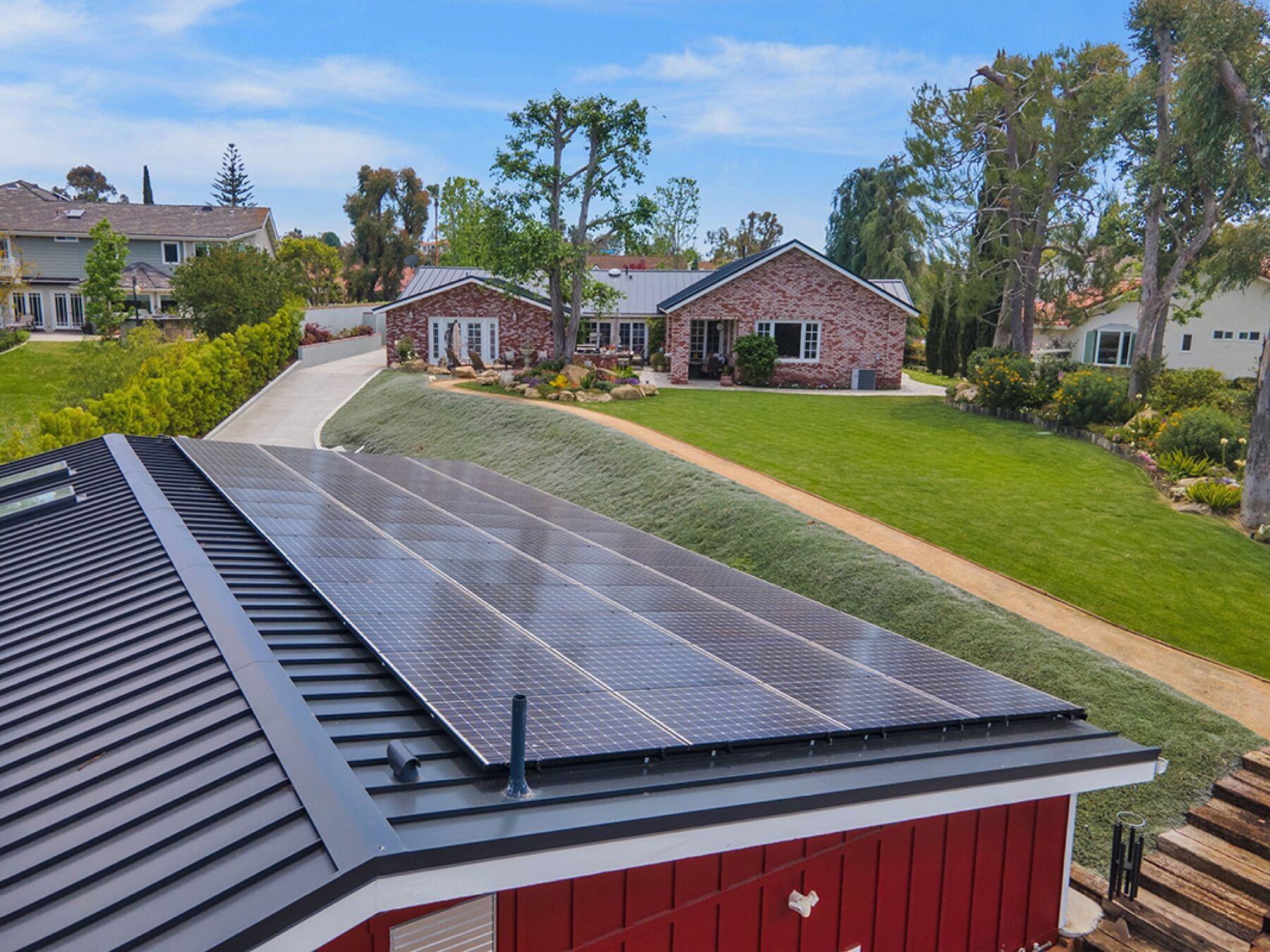
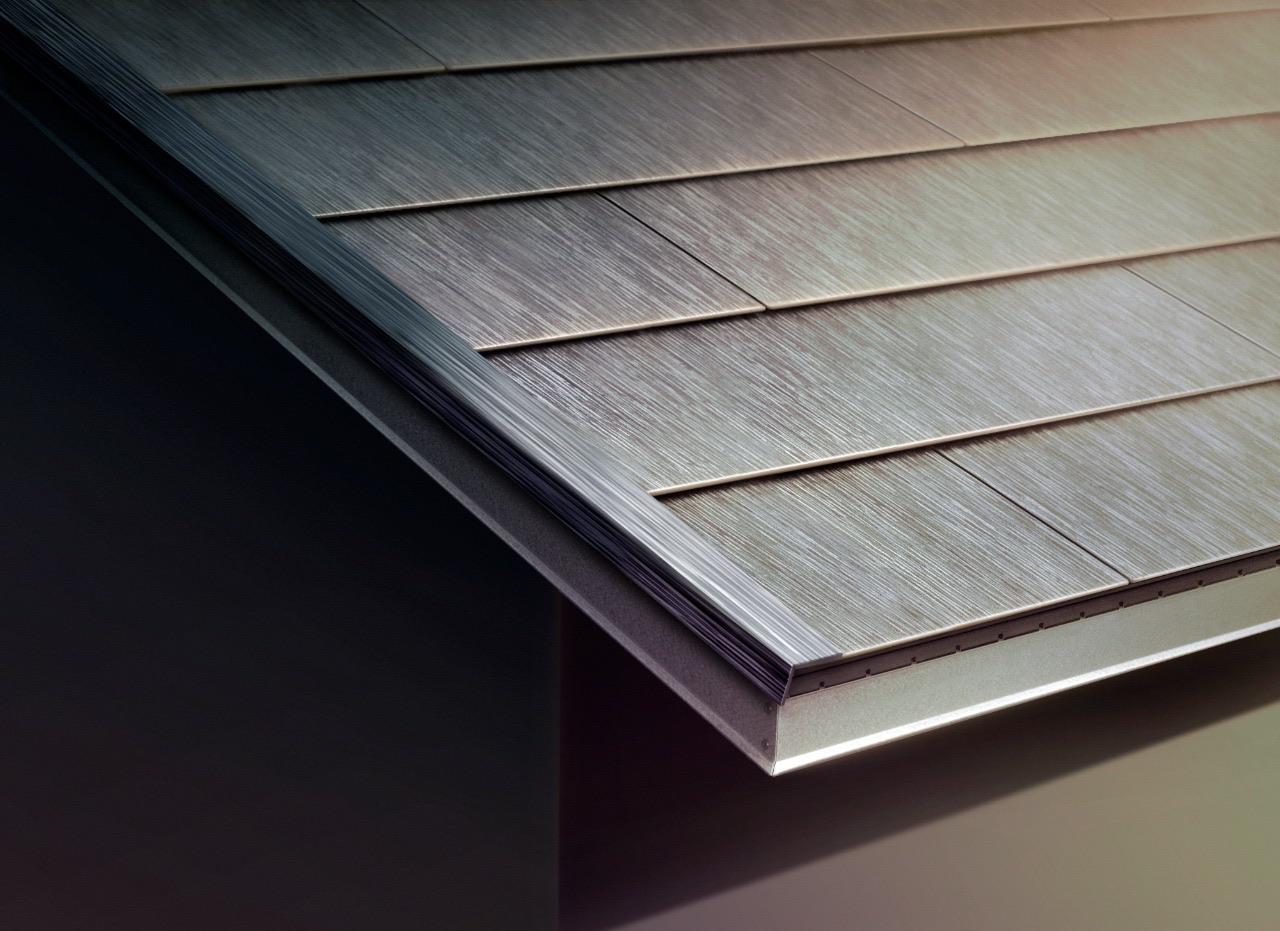
Solar, storage, Tesla Solar Roof, and repairs from a single licensed contractor — one point of contact, one warranty.
Our work
See the work up close.
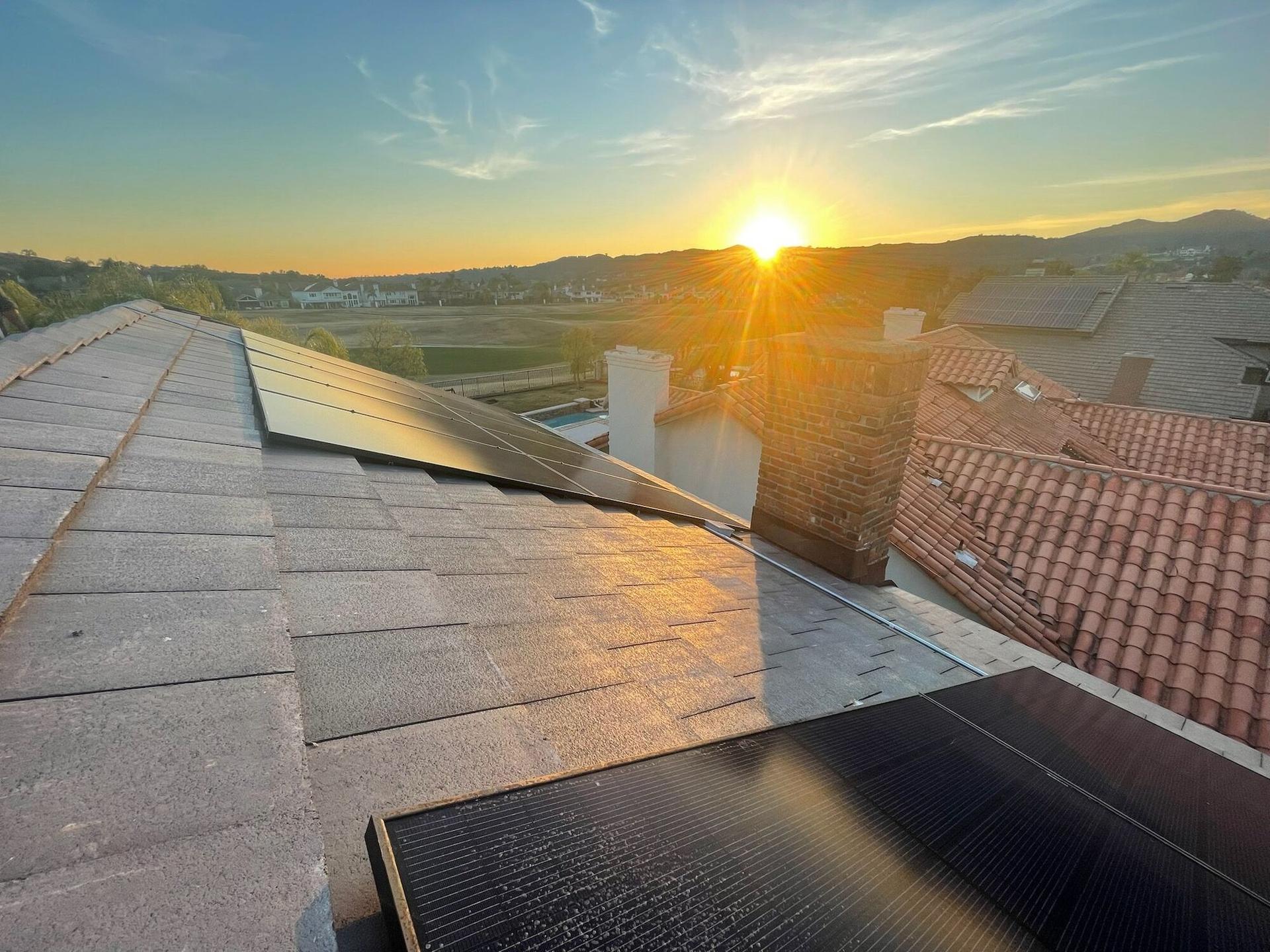
Real installs on real Southern California roofs, designed and built from our Irvine headquarters.
Proof you can see
Powering homes across Southern California
Every dot is one real OC Solar project or service call — thousands of them, blanketing Orange County, Los Angeles, the Inland Empire, Ventura County, San Diego, and the desert. Hover any dot for the project type, area, and year — chances are we've already powered a home near you.
across SoCal and beyond
Per our company records as of June 2026 — every project and service call we've taken on, excluding cancellations. Each dot is one real record (a couple dozen without a mappable location count toward the total but aren't shown); positions are approximated to the neighborhood to protect customer privacy.
Our process
From signed to solar — with no surprises
- 01
Design & Sign
Days 1–3OC Solar - 02
Permits & Approvals
≈ 2–4 weeks*Utility / City (we manage it) - 03
Install Day
1–2 daysOC Solar - 04
Inspection
≈ 1–2 weeks*Utility / City (we manage it) - 05
Power On (PTO)
varies by utility*Utility / City (we manage it)
Median: 30 days to install · 60 days to power-on
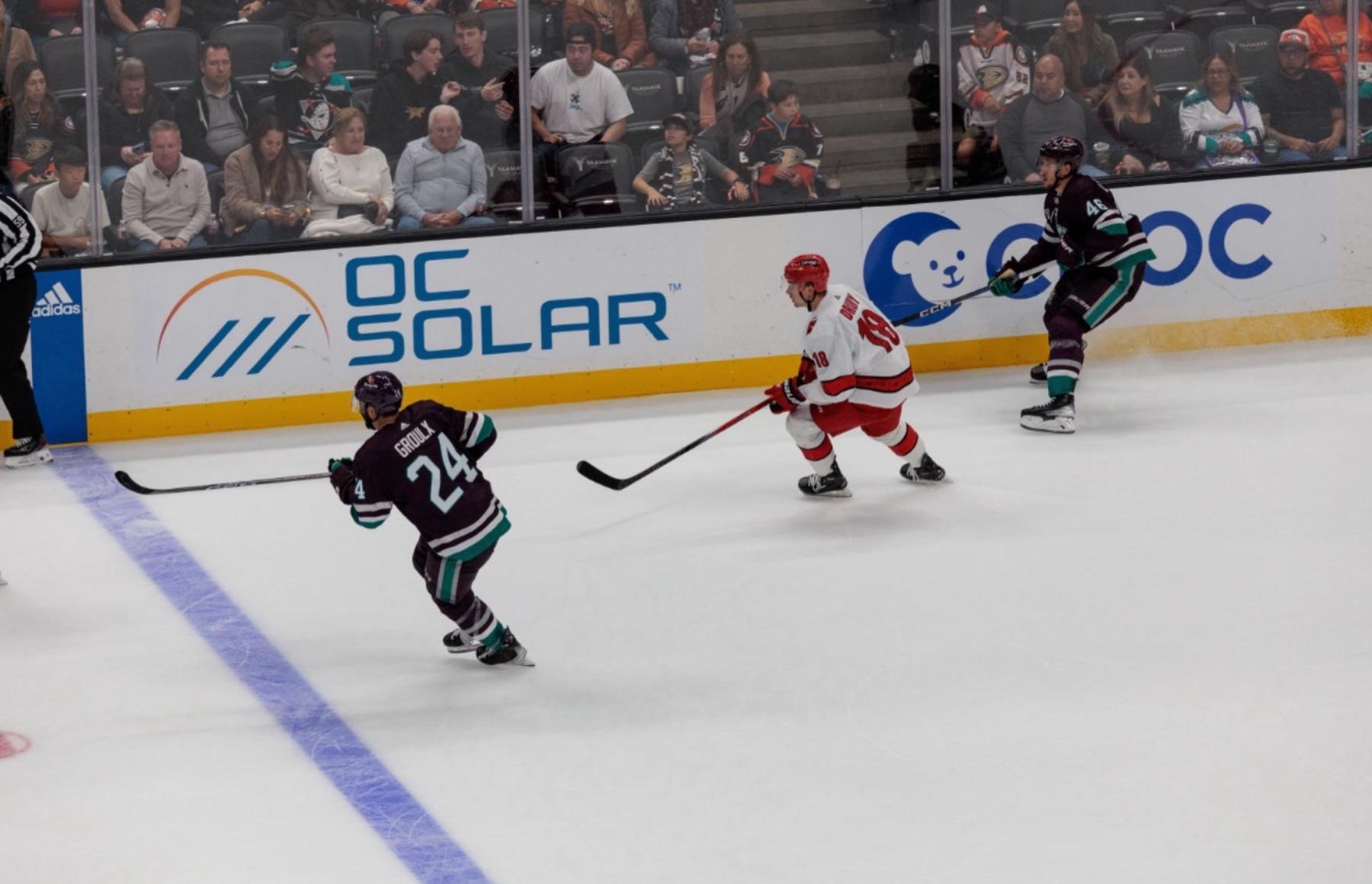
Anaheim Ducks · Official Partner
Proud Partner of the Anaheim Ducks.
The same Orange County that fills Honda Center trusts OC Solar to power its homes.
Honest financing
Three ways to go solar — pick what fits
From no-credit-check plans to $0-down PPAs to full ownership. We name our partners, disclose the terms, and never quote a tax credit that no longer exists.
Prepaid Agreement
Monthly loans available
- Who maintains
- Provider-owned, then transfers to you
- Best if
- You want to own your system and still capture the federal tax-credit value.
5–6 yr average ROI window · ~20% avg ROI yr 1 (estimates)
Participate Energy · Propel
PPA — $0 Down
One low monthly payment
- Who maintains
- Provider-owned & maintained (included)
- Best if
- You want the lowest barrier and no upfront cost.
Avg savings of 10%–50% off yr-1 utility bills (illustrative)
GoodLeap · ENFIN · LightReach
Pay Cash
Pay once, save most
- Who maintains
- You own the system; OC Solar services it
- Best if
- You want the lowest lifetime cost and fastest payback.
6–8 yr average ROI window · ~15% avg ROI yr 1 (estimates)
—
Savings and ROI figures are owner-provided projections that assume average utility rates escalating ~5% annually. Estimates only — individual results vary; not a guarantee.
Full terms, partners and current California incentives on the financing page →
What homeowners say
Trusted everywhere homeowners look.
Independently rated on Google, Yelp, BBB, EnergySage and more.







We respond to every review — good or critical.
Questions, answered honestly
California solar FAQ (2026)
Yes — but the math changed. Under NEM 3.0 utilities pay much less for exported solar, so the value now comes from pairing solar with a battery to power your home during the expensive 4–9 PM peak instead of buying from the grid. With rising utility rates, a solar-plus-battery system typically pays back in about 7–9 years.

Refer & earn
Refer a friend.
Know someone tired of rising utility bills? Send them our way. When your friend or family member goes solar with OC Solar, we'll thank you with $500.
- 1
Send their info
Share your friend's name and a way to reach them — takes a minute.
- 2
They go solar
We design, install, and power on their system, start to finish.
- 3
You get $500
Paid after their system is installed. Refer as many as you like.
Or call 949-427-8817 to refer someone. Terms apply.
 Powerwall Premier Certified InstallerTesla · OngoingTesla Pro Council — 1 of 12 installersTesla · Ongoing
 Solar Roof Premier Certified InstallerTesla · OngoingResidential Installer of the Year — Southern CaliforniaPanasonic · 2024Residential Installer of the Year — Southern CaliforniaPanasonic · 2023Top Residential Installer of the Year — Southern CaliforniaPanasonic · 2022Best of HouzzHouzz · 2022
 Top Solar ContractorSolar Power World · 2024Top Solar Contractor — #203 nationallySolar Power World · 2025Entrepreneur Of The Year — Pacific Southwest FinalistEY (Ernst & Young) · 2025Excellence in Entrepreneurship AwardOrange County Business Journal · 2026Super Service AwardAngi · 2024 & 2025
 Angi Pro Council — memberAngi · Since 2023
 #1 Solar Company in CaliforniaConsumerAffairs · 2026Buyer's Choice Award — Best Equipment & Best InstallationConsumerAffairs (national) · 2026A+ Accredited BusinessBetter Business Bureau · Since 2017Official Solar Partner of the Anaheim DucksAnaheim Ducks (NHL) — partnership · Ongoing
Certified & recognized by
Manufacturer certifications


 1 of 12 installers
- EnphaseInstaller NetworkStorage-certified · IQ Battery
- QcellsQ.PARTNERAuthorized installer
- RECCertified Solar ProfessionalProTrust warranty program
- SolarEdgeCertified Installer
- Owens CorningRoofing Preferred Contractor
Awards & recognition
 2024
2024- Solar Power WorldTop Solar Contractor2025#203 nationally
- PanasonicTop Residential Installer of the Year2023Southern California
- EY (Ernst & Young)Entrepreneur Of The Year — Finalist2025Pacific Southwest
- Orange County Business JournalExcellence in Entrepreneurship Award2026
- HouzzBest of Houzz2022
- AngiSuper Service Award2024

 #1 in California2026
- Best Equipment2026
- Best Installation2026
Ratings, license & partnership
 Since 2017
- Yelp4.7★ rating451 reviews
- Google4.9★ rating400+ reviews
- CSLBLicense #1023627Licensed · Bonded · Insured
 Team partnership
CSLB License #1023627 · Licensed, bonded & insured · Orange County Solar, Contracting Services Inc.
Ready to take control of your power bill?
Get a fast, honest, no-pressure estimate from a real local advisor — built from your actual roof and usage.
Already a customer? Refer a friend & get $500 · Leave us a review
Licensed, Bonded & Insured · CSLB #1023627