
“Why is my bill still so high even though I have solar?”
It’s the question no solar owner wants to ask, especially after making a significant investment in energy independence. You did everything right, you switched to clean energy, you’re doing your part for the planet, and you expected those triple-digit electric bills to be a thing of the past.
But lately, you’ve noticed a frustrating trend: your monthly savings are dipping, and your production numbers aren’t what they used to be. In Southern California, it’s rarely a “broken” system that causes this; it’s the environment itself. From the persistent coastal haze of Orange County to the inland dust and seasonal wildfire ash, a literal “shroud” is forming over your investment, quietly draining your ROI while you sleep.
1. Stop “Soiling” Your Savings
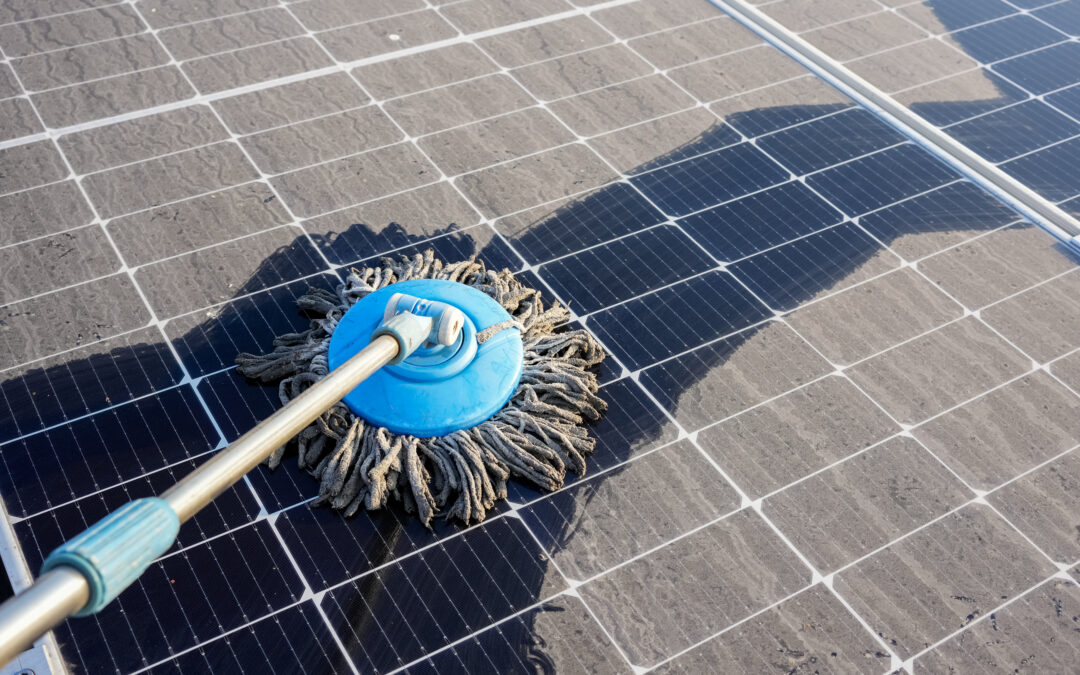
The most common, and most overlooked, cause of solar underperformance is soiling. According to the National Renewable Energy Laboratory (NREL), accumulated dirt and debris can significantly slash energy output if left unaddressed.
- The Invisible Barrier: When bird droppings, sap, or pollution residue bake onto your panels, they block the photovoltaic cells’ ability to absorb sunlight.
- Rain Isn’t Enough: While a light rain might wash away loose dust, it often leaves behind a sticky film or “mud” that further obscures the glass.
- The SoCal Factor: In our region, the marine layer residue and seasonal wildfire smoke can accumulate faster than you might expect. Regular cleaning restores lost production and ensures your system operates at peak capacity.
2. Safeguard Your Equipment and Your Warranty
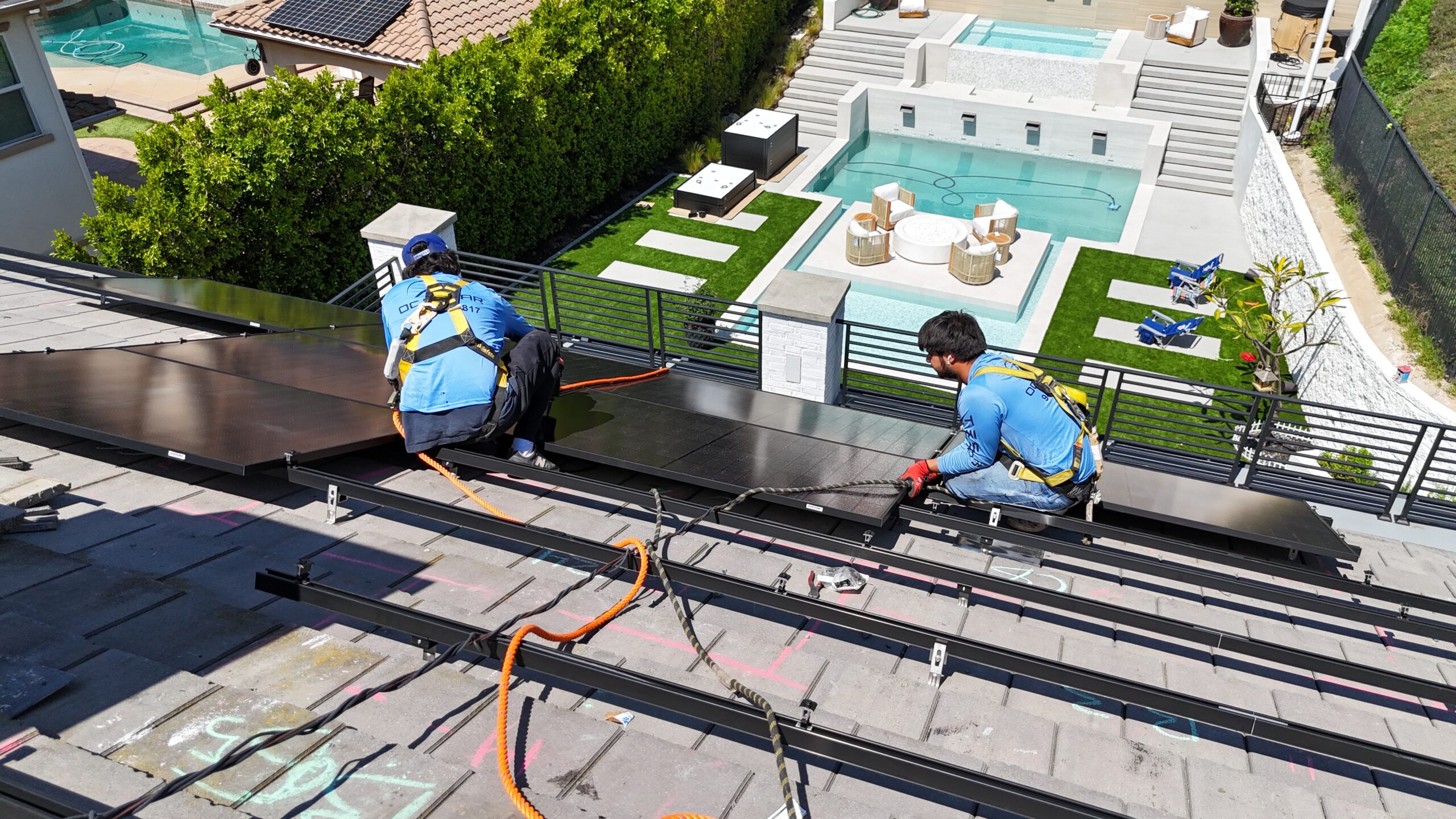
Maintenance isn’t just about cleaning; it’s about prevention. A professional system checkup identifies small issues before they become “catastrophic failures.”
- Loose Connections: Southern California’s heat causes materials to expand and contract, which can loosen wiring or mounting hardware over time.
- Animal Encroachment: Birds and rodents love the shaded shelter under your panels. Without intervention, they can chew through wiring or create fire hazards with nesting materials.
- Warranty Protection: Most manufacturers require proof of regular maintenance to honor warranty claims, especially for inverters. Keeping a documented service history is your insurance policy against premature component failure.
3. Protect Your Home’s Resale Value
A well-maintained solar system is a major asset during a home sale. Prospective buyers are savvy; they want to see documented performance history and visible upkeep. Conversely, a neglected, dirty system can raise red flags during an inspection and potentially decrease your home’s perceived value.
How often should you check on your solar system?
Effective maintenance doesn’t require daily effort; it requires a strategic plan. For maximum ROI, most Southern California homeowners should follow this rhythm:
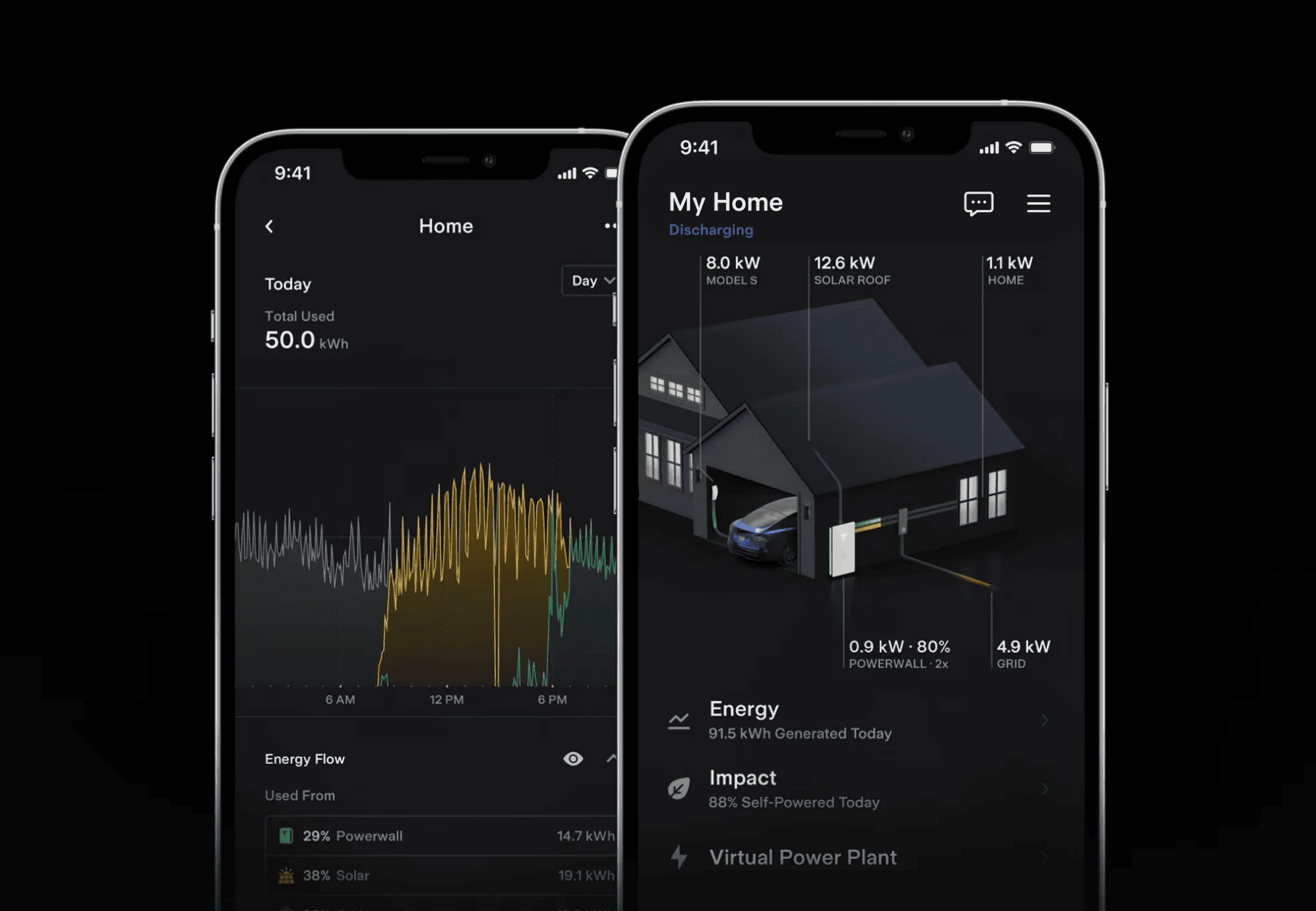
- Weekly: Monitor production levels via your system’s app to verify production levels
- Seasonally: Conduct a visual inspection from the ground for debris or damage.
- Biannually: Schedule a professional cleaning to remove stubborn residue.
- Annually: Book a comprehensive professional system health check.
Ready to Restore Your Solar Savings?
Solar maintenance is an investment in your home’s future energy independence. Because local climate factors play such a huge role in performance, proactive care is essential for Orange County homeowners.
Stop guessing and start saving. At OC Solar, we believe maintenance should be transparent and stress-free. Our team consists of seasoned experts with deep technical knowledge across all major platforms, including Enphase, Tesla, and SolarEdge systems. Most performance issues can actually be fixed without a service visit.
- Free Remote Inspections: We’ll analyze your system’s performance over the phone at no cost.
- Expert Troubleshooting: Our technicians can typically resolve software or monitoring glitches remotely, saving you time and money.
- Transparent Pricing: You only pay if a technician actually needs to be sent to your home for a physical repair or cleaning.